🌸 What to Do About Leaves Falling Over on Your Belladonna Lily
Amaryllis belladonna
By the Greg Editorial Team
Nov 08, 2024•8 min read
This article was created with the help of AI so we can cover more plants for you. May contain errors. See one? Report it here.
Transform your belladonna lily into a vibrant centerpiece 🌱 by mastering essential care techniques for lasting beauty! 🌼
- 💧 Overwatering and underwatering cause drooping leaves; balance moisture for health.
- 🌞 Belladonna lilies need 6-8 hours of sunlight daily for optimal growth.
- 🐛 Pests like aphids can lead to drooping; inspect regularly for early intervention.
Causes of Leaves Falling Over
💧 Overwatering and Its Effects
Overwatering is a common issue that can lead to several distressing symptoms in your belladonna lily. Look out for yellowing leaves, mushy bulbs, and drooping foliage, all of which indicate that your plant is struggling.
When roots are submerged in excess water, they can suffer from root rot and reduced oxygen availability. This is why well-drained soil is crucial for healthy growth; it allows roots to breathe and thrive.
🌵 Underwatering and Drought Stress
On the flip side, underwatering can also cause your belladonna lily's leaves to fall over. Signs of drought stress include wilting leaves, dry soil, and noticeable leaf droop.
Drought stress can severely impact your plant's vitality and flowering capabilities. To keep your lily healthy, aim to water it once every 1-2 weeks, adjusting based on environmental conditions.
🥦 Nutrient Deficiencies
Nitrogen Deficiency
A lack of nitrogen can manifest as pale green leaves and stunted growth. Nitrogen is essential for leaf development and overall plant health, making it vital to monitor your plant's nutrient levels.
Potassium Deficiency
Potassium deficiency often presents as leaf tip burn and weak stems. This nutrient plays a key role in strengthening cell walls and improving drought resistance, so ensure your plant receives adequate potassium.
🐛 Pest Infestations
Common Pests
Pests can wreak havoc on your belladonna lily, leading to drooping leaves. Aphids are notorious for curling leaves and leaving a sticky residue, while spider mites create fine webbing and stippled leaves.
Early detection and management of these pests are crucial to prevent further leaf droop. Regular inspections can save your plant from significant damage.
🍄 Fungal Diseases
Root Rot
Root rot is a serious fungal disease that can cause wilting leaves, even when you’re watering adequately. A foul odor from the soil often accompanies this condition, signaling trouble.
Poor drainage and overwatering are the primary causes of root rot. To prevent this issue, adopt proper watering techniques and select appropriate soil that promotes drainage.
Understanding these causes is the first step in addressing the issue of falling leaves on your belladonna lily. By diagnosing the problem accurately, you can take effective action to restore your plant's health. Next, let’s explore how to diagnose and observe the symptoms of drooping leaves.
Diagnosis and Observation
🌿 Identifying Symptoms of Drooping Leaves
Drooping leaves can signal various issues with your belladonna lily. Look for visual signs such as yellowing or browning leaves, which often indicate a need for immediate attention.
Timely diagnosis is crucial to prevent further decline. Ignoring these symptoms can lead to more severe problems down the line.
💧 Assessing Soil Moisture and Drainage
Checking soil moisture is essential for maintaining plant health. Use simple techniques like the finger test—stick your finger into the soil to gauge moisture levels—or a moisture meter for a more precise reading.
Well-draining soil is vital to prevent waterlogging, which can suffocate roots and lead to drooping leaves. Ensure your pot has adequate drainage to support healthy growth.
🐛 Checking for Pests and Diseases
Regular inspections of leaves and soil can help you catch pests or diseases early. Look for signs of infestation, such as discolored leaves or unusual spots.
Identifying specific pests or diseases affecting your plant is key to effective management. Early detection can save your belladonna lily from severe damage.
🌞 Observing Environmental Conditions
Environmental factors play a significant role in your plant's health. Assess light exposure; belladonna lilies thrive in full sun, ideally receiving 6-8 hours of direct sunlight daily.
Additionally, monitor temperature and humidity levels. Keeping these conditions optimal will promote robust growth and prevent drooping leaves.
By staying vigilant and observing these factors, you can ensure your belladonna lily remains healthy and vibrant. Next, let’s explore preventive measures to keep your plant thriving.
Preventive Measures
Proper Watering Techniques 🌊
To keep your belladonna lily thriving, it's crucial to master your watering routine. Allow the soil to dry out between waterings to prevent overwatering, which can lead to root rot.
Using pots with drainage holes is essential. This simple step ensures excess water can escape, promoting healthy root development.
Soil Selection and Amendments 🌱
Choosing the right soil is another key factor in plant health. Opt for well-draining, sandy loam to provide your belladonna lily with the best growing conditions.
Consider adding perlite or coarse sand to improve drainage further. These amendments help prevent waterlogging, which can stress your plant.
Fertilization Schedule and Nutrient Balance 🥦
A balanced fertilization schedule supports robust growth. Use a balanced fertilizer, like NPK 10-10-10, during the growing season to provide essential nutrients.
Aim to fertilize every 4-6 weeks while the plant is actively growing. This regular feeding helps maintain nutrient balance and promotes vibrant foliage.
Pest Management Strategies 🐞
Pest control is vital for keeping your belladonna lily healthy. Implement organic methods such as neem oil or insecticidal soap to manage infestations effectively.
Maintaining overall plant health is your best defense against pests. A strong, well-cared-for plant is less likely to succumb to infestations.
Environmental Adjustments 🌞
Adjusting environmental factors can significantly impact your plant's health. Ensure your belladonna lily receives adequate sunlight, ideally 6-8 hours daily.
Temperature management is also crucial. Avoid placing your plant near drafts or extreme heat sources to create a stable environment for growth.
By following these preventive measures, you can cultivate a thriving belladonna lily that stands tall and proud. Next, let’s explore effective treatment solutions for any issues that may arise.
Treatment Solutions
🌊 Adjusting Watering Practices
Overwatering can be a common issue for belladonna lilies, leading to drooping leaves and root rot. To correct this, reduce the frequency of watering and ensure that the soil has proper drainage.
On the flip side, underwatering can also cause leaves to droop. Gradually increase your watering frequency to help the plant recover, ensuring the soil remains consistently moist but not soggy.
🏞️ Soil Amendments for Drainage Improvement
Improving soil drainage is crucial for the health of your belladonna lily. Consider adding perlite or sand to your existing soil mix to enhance aeration and drainage.
If you suspect root rot, repotting your lily into fresh, well-draining soil is essential. This step can help revive the plant and promote healthier growth.
🌱 Fertilizer Application for Nutrient Boost
Applying fertilizer can give your belladonna lily the nutrient boost it needs. Always dilute the fertilizer according to the package instructions to avoid over-fertilization.
Timing is key; apply fertilizer during the active growth periods for the best results. This will help your plant thrive and produce vibrant blooms.
🐞 Pest Control Methods
🌿 Organic Options
For pest control, consider using neem oil as a natural solution. Mix it with water according to the instructions and apply it to affected areas of the plant.
Insecticidal soap is another effective organic option. Prepare it by mixing soap with water, and spray it on the leaves to eliminate pests without harming the plant.
⚗️ Chemical Options
In cases of severe infestations, chemical treatments may be necessary. Always follow label instructions carefully to ensure safe and effective use.
Remember, using chemicals should be a last resort. Maintaining a healthy plant through proper care can often prevent infestations before they start.
✂️ Pruning and Removing Affected Leaves
Pruning is an essential part of maintaining your belladonna lily's health. Use clean, sharp tools to remove any affected leaves, which can help the plant focus its energy on new growth.
Timing your pruning is also important; aim to do this during the active growth period. This encourages the plant to bounce back and flourish.
By following these treatment solutions, you can effectively address the issues causing your belladonna lily's leaves to fall over. With the right care, your plant can thrive and bring beauty to your garden.
Long-term Care Strategies
🌱 Seasonal Care Adjustments
As your belladonna lily transitions into dormancy, it's crucial to adjust your care practices. This means reducing both watering and fertilization to match the plant's lower activity levels.
Monitoring plant health during this period is essential. Keep an eye on any changes, as this will help you catch potential issues early.
🔍 Monitoring Plant Health Regularly
Regular health checks are vital for maintaining a thriving belladonna lily. Aim for bi-weekly inspections during the growing season to ensure your plant is flourishing.
Consider keeping a care journal to track changes and observations. This practice can help you identify patterns and make informed adjustments to your care routine.
🛠️ Best Practices for Support
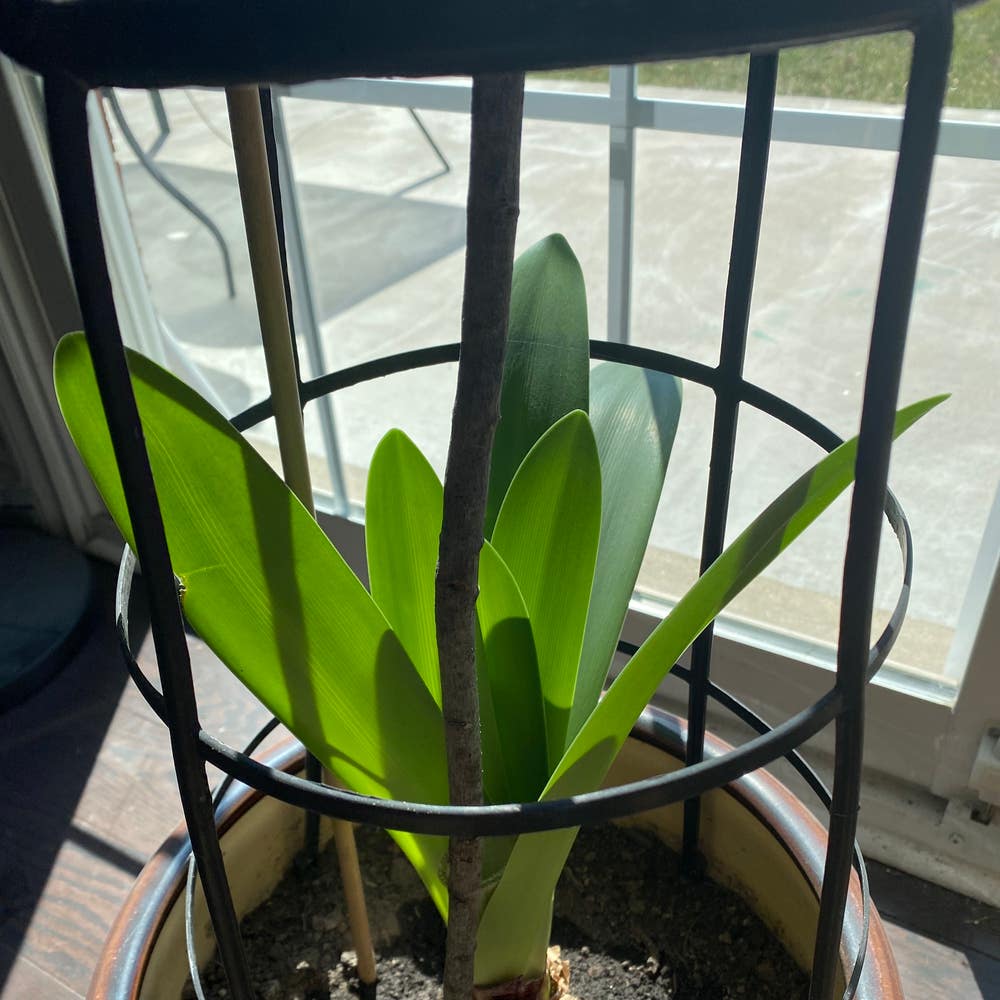
Drooping leaves can be a common issue, but providing physical support can make a significant difference. Use stakes or cages to help keep your plant upright and healthy.
Maintaining a stable environment is just as important. Ensure your belladonna lily is protected from strong winds and extreme temperature fluctuations.
💤 Preparing for Dormancy and Regrowth
Recognizing the signs of dormancy is key to proper care. Look for yellowing leaves and reduced growth as indicators that your plant is entering this phase.
To prepare for dormancy, gradually reduce watering and ensure bulbs are stored properly. This will set the stage for a robust regrowth when the season changes.
By following these long-term care strategies, you can help your belladonna lily thrive year after year. Next, we will explore effective treatment solutions for any issues that may arise.
⚠️ Safety First
This content is for general information and may contain errors, omissions, or outdated details. It is not medical, veterinary advice, or an endorsement of therapeutic claims.
Always consult a qualified healthcare professional before using any plant as food, medicine, or supplement.
Never eat any plant (or feed one to pets) without confirming its identity with at least two trusted sources.
If you suspect poisoning, call Poison Control (800) 222-1222, the Pet Poison Helpline (800) 213-6680, or your local emergency service immediately.
Spotted an error? Please report it here.
Keep your belladonna lily vibrant and upright 🌼 by using Greg's tailored care reminders to master watering and nutrient management for a thriving plant!