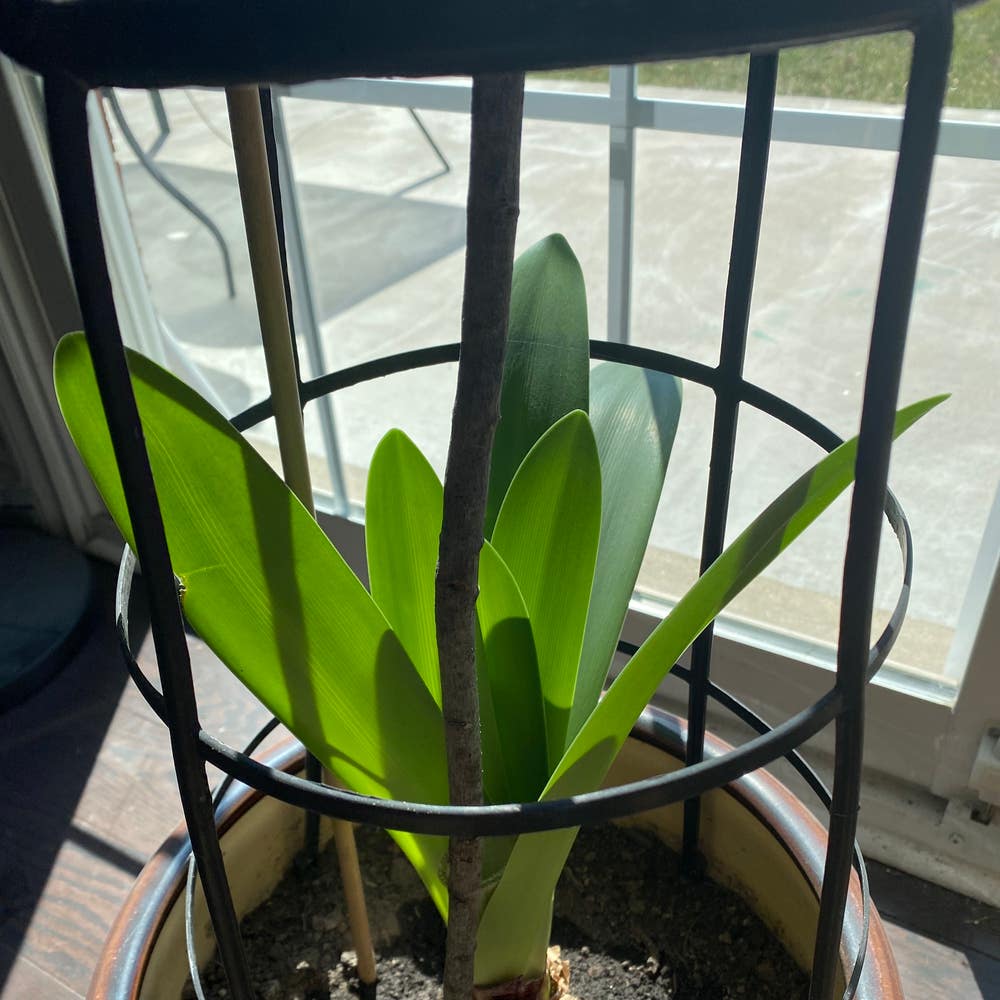
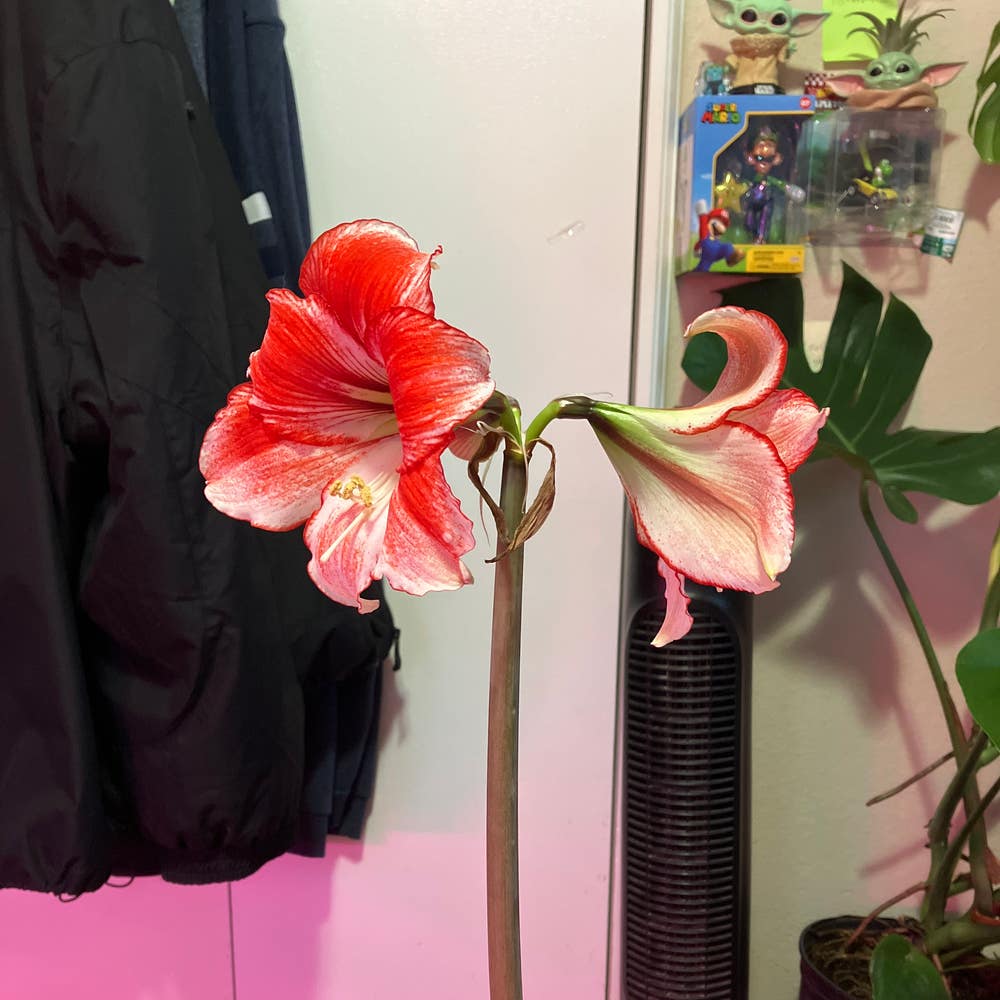
🥚 What Do I Do About Easter Lily Root Rot?
Amaryllis belladonna
By the Greg Editorial Team
Jun 14, 2024•5 min read
This article was created with the help of AI so we can cover more plants for you. May contain errors. See one? Report it here.
Rescue your Easter Lilies from root rot 🌱 with these life-saving care tips!
- Yellow leaves and foul odor signal Easter Lily root rot.
- Prune and treat with fungicides to combat root rot.
- Prevent with well-draining soil and careful watering.
Identifying Root Rot in Easter Lilies
Yellowing leaves and a foul odor are telltale signs of root rot in Easter Lilies. The stench is reminiscent of decay, a clear signal that something is amiss beneath the soil.
🕵️♂️ Visual Symptoms
Inspect the foliage for premature yellowing. This discoloration often starts with the lower leaves and can progress upward if the condition worsens.
👃 Olfactory Clues
Trust your nose. A rotten egg smell near the plant's base is a distress call from the roots, indicating they may be succumbing to rot.
🔍 Root Inspection
Gently unearth a portion of the root system. Healthy roots are firm and white, while rotten roots are mushy and discolored, ranging from brown to black.
💡 Bulb Examination
For bulbs, watch out for scales detaching from the basal plate—a symptom of advanced rot. If they crumble easily, it's a red flag.
🏞️ Environmental Assessment
Check the pot's drainage. Poor drainage can trap moisture, creating a breeding ground for root rot pathogens. A pot that's too small can also stress the plant, making it more susceptible to diseases.
🚨 Immediate Action
Upon spotting any of these symptoms, act swiftly. Root rot can quickly escalate, jeopardizing the entire plant.

Treating Root Rot in Easter Lilies
Root rot in Easter Lilies can turn a vibrant plant into a wilting mess. Immediate action is crucial.
💧 Adjusting Watering Habits
Overwatering is a common misstep. Ease up on the H2O and only water when the top inch of soil feels like a desert—dry to the touch.
✂️ Pruning the Damage
It's surgery time. Gently remove the plant and snip off the rotted roots. Sterilize your tools before and after to avoid spreading the funk.
🦠 Fungicidal Intervention
After the amputation, it's time for some antifungal warfare. Drench the healthy roots with a fungicide—chlorothalonil or thiophanate-methyl are your go-to chemicals.
Remember, it's not just about saving your lily; it's about sending a message to those pesky fungi.

Repotting Easter Lilies After Root Rot
After root rot has been addressed, it's vital to give your Easter Lily a fresh start. Selecting the right soil is crucial; opt for a well-draining mix that's slightly acidic to neutral, with a good amount of organic matter. This ensures your lily has the perfect bed to lay its roots.
🌱 Choosing the Right Container
The container size matters. Go for one that's 1 to 2 inches larger in diameter than the current one. This gives the roots room to breathe without drowning in excess soil, which can become waterlogged. Ensure the pot has adequate drainage holes to prevent future waterlogging.
🌿 The Repotting Process
When repotting, handle the root system with care. Gently loosen the root ball and trim any damaged roots. Center the bulb in the new pot, allowing the roots to spread naturally. Fill around with your chosen soil, water thoroughly, and place in a spot with bright, indirect light.
💧 Post-Repotting Care
Watering is a balancing act; the soil should be consistently moist but never soggy. Check the top inch of soil and water only when it's dry to the touch. Rotate the pot periodically to ensure even growth and prevent the lily from leaning towards the light.
Remember, repotting is a shock to any plant's system. Your Easter Lily may take a moment to adjust, so don't fret if it seems a bit droopy at first. With the right care, it will perk up and thank you with its stunning blooms.

Preventing Future Root Rot in Easter Lilies
💧 Watering Wisdom
Watering is a bit like a teeter-totter; it's all about balance. To prevent the dreaded root rot, keep the soil moist but not soggy. Check the soil before watering—wait until the top inch feels like a dry martini before giving it a drink. And when you do water, do it thoroughly, letting the excess water run free, not unlike your Friday night.
🌱 Picking the Perfect Pot
Let's talk containers. They're not just for show; they're your lily's lifeline. Choose a pot with drainage holes that could make Swiss cheese jealous. This isn't just about aesthetics; it's about function. A good pot is like a good pair of jeans—fits well and handles the rain without trapping it.
🏞️ Soil Selection
Soil is the Easter lily's bed, and you want it comfy—not too hard, not too soft. Aim for the Goldilocks zone with a well-draining potting mix. Think of it as a mattress for your plant's roots; it should support yet provide enough space to breathe.
🌬️ Environmental Equilibrium
Your Easter lily's environment should be as balanced as your weekend plans. Not too hot, not too cold, and with air circulation that could rival a spring breeze. Keep it cozy, keep it breezy, and watch your lily thrive without the drama of root rot.
🌿 Fertilizer Finesse
Fertilizer is the spice of plant life, but don't get heavy-handed. A sprinkle of low nitrogen fertilizer keeps things tasty without inviting unwanted guests like root rot. It's like adding just enough salt to your meal—perfection without overdoing it.
Remember, preventing root rot is like keeping a good friendship—attention and care go a long way. Keep these tips in your back pocket, and your Easter lilies will be thanking you with blooms that'll make the neighbors jealous.
⚠️ Safety First
This content is for general information and may contain errors, omissions, or outdated details. It is not medical, veterinary advice, or an endorsement of therapeutic claims.
Always consult a qualified healthcare professional before using any plant as food, medicine, or supplement.
Never eat any plant (or feed one to pets) without confirming its identity with at least two trusted sources.
If you suspect poisoning, call Poison Control (800) 222-1222, the Pet Poison Helpline (800) 213-6680, or your local emergency service immediately.
Spotted an error? Please report it here.
Banish Easter Lily root rot by letting Greg 🚫 guide your watering routine, ensuring just the right moisture for healthy, firm roots.