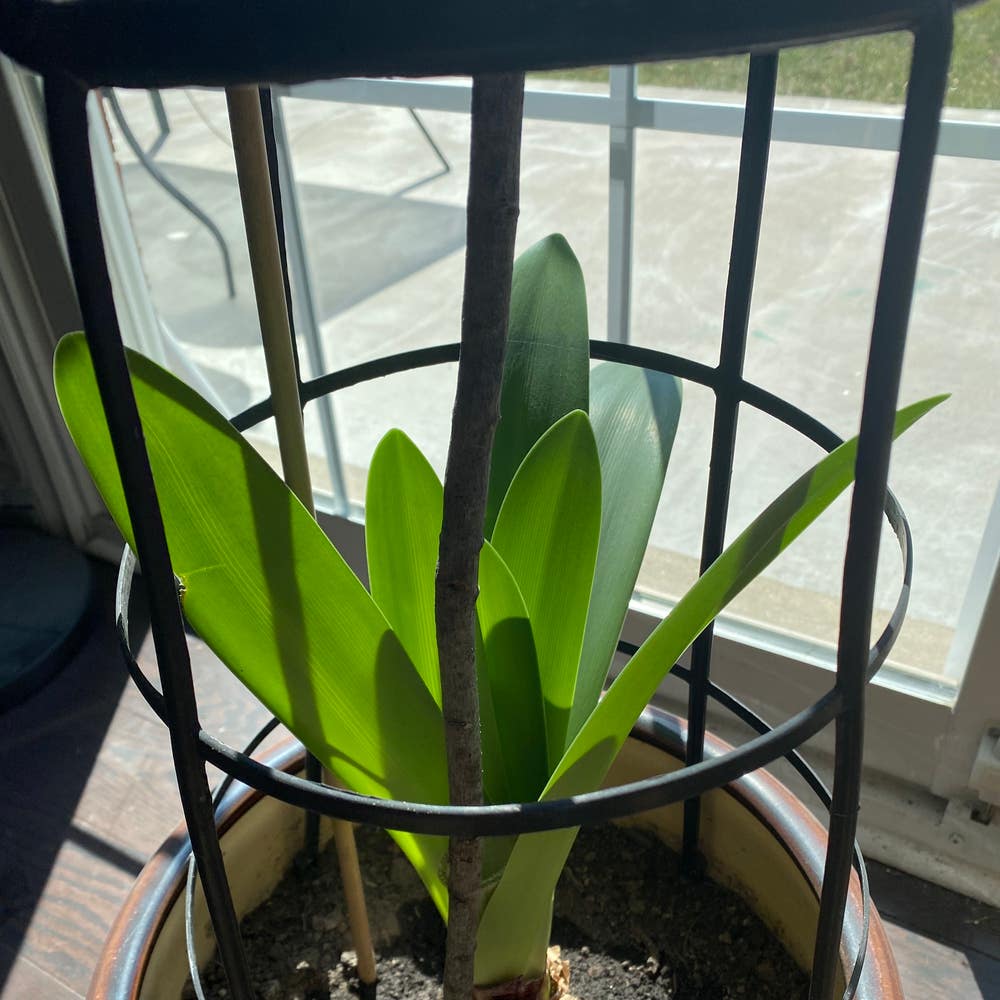
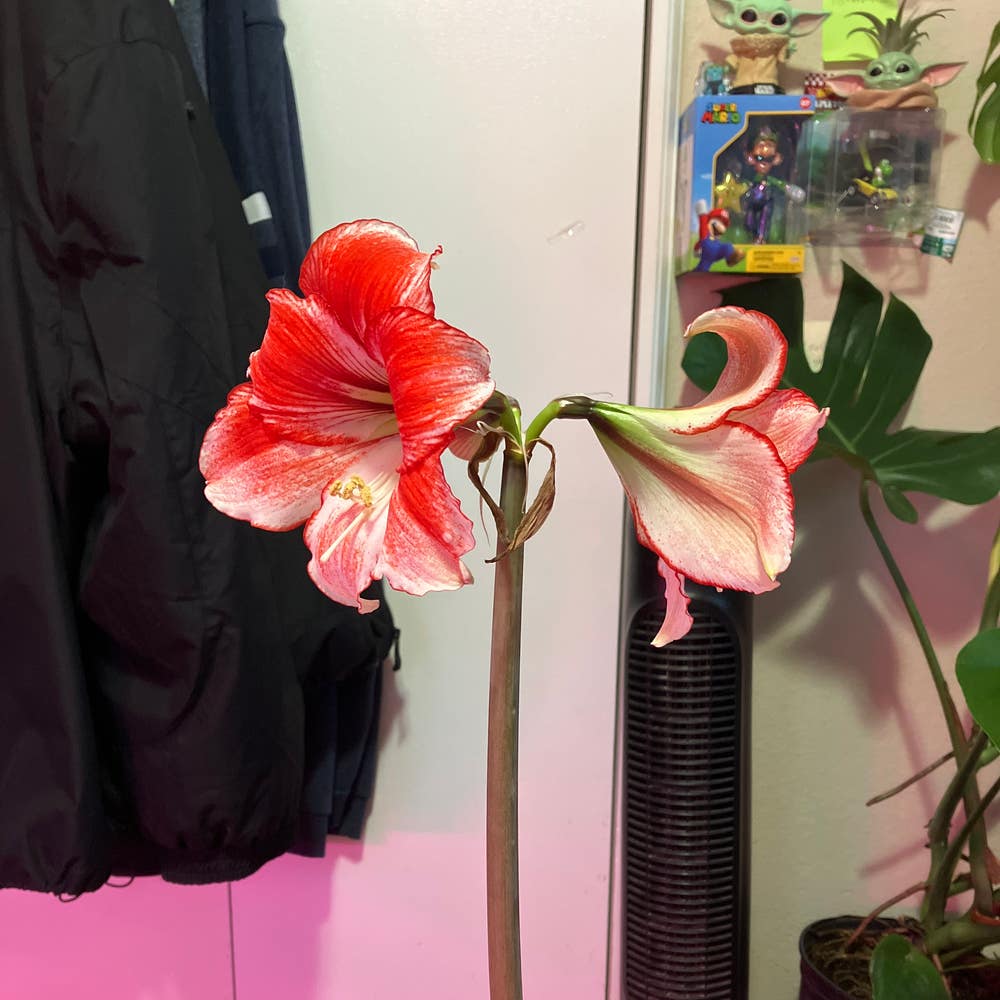
🐰 What Is The Best Way To Water an Easter Lily?
Amaryllis belladonna
By the Greg Editorial Team
Jun 14, 2024•5 min read
This article was created with the help of AI so we can cover more plants for you. May contain errors. See one? Report it here.
Ensure your Easter Lily blooms beautifully by tailoring your watering routine to its unique needs. 🌷💦
- Water when top third of soil is dry, adjusting for growth stage.
- Discard excess water to prevent root rot; ensure proper drainage.
- Seasonal adjustments necessary; more in summer, less in dormancy.
Optimal Watering Schedule for Easter Lilies
Determining the right frequency of watering Easter lilies is more art than science. It's about reading the room—or in this case, the soil.
💧 When to Water
Check the soil before you water. If the top third feels like a dry debate club meeting—water it. This usually translates to once the top third is dry, but not bone-dry like a bad joke.
💦 Watering Frequency
In general, watering once the top third of the soil is dry works well. But don't just set a reminder and forget it; your plant's thirst can vary.
🌱 Growth Stage Considerations
Young sprouts are like needy texters—they require more frequent check-ins. Water daily until sprouts emerge, then shift to a weekly routine.
🌍 Environmental Factors
If your home is as dry as a stand-up comedian's wit, you'll need to water more often. Average home humidity levels are usually fine, but keep an eye out for the plant's silent pleas for moisture.
🌟 Pro Tips
- Discard excess water to avoid the dreaded root rot.
- In summer, when the sun's blazing like a BBQ grill, your lily might need a drink 2-3 times a week.
- Water thoroughly when you do, ensuring the whole soil profile gets a taste.
Remember, overwatering is like binge-watching a show—you think it's what you want, but it's not always what you need. Keep it balanced, and your Easter lily will thank you with blooms that'll make your neighbors green with envy.

Effective Watering Amount for Healthy Growth
To avoid over or under-watering your Easter lily, a touch-test is essential. When the top inch of soil feels dry, it's time to water. Thoroughly drench the soil until water runs freely from the drainage holes, ensuring deep moisture penetration.
💦 Watering Technique
Discard any excess water that collects in saucers or decorative pots. This step is crucial to prevent root rot, a common killer of potted plants.
💧 Quantity Matters
Aim for a moist, not soggy, soil environment. If the pot is wrapped in foil, remove it during watering to check for proper drainage.
🌊 Consistency Is Key
Repeat the watering process several times until you're confident the soil is adequately saturated. Then, allow the plant to drain for a few minutes before replacing any decorative coverings.
🌱 Pro Tips
- Avoid letting the plant sit in water.
- Check for trapped, standing water if using decorative foil.
- Water until it seeps out, then repeat to ensure even moisture.
- Drain the plant well before returning it to its pot cover.

Recognizing Over-Watering and Under-Watering
💦 Identifying Water Stress in Easter Lilies
Over-watering can turn your Easter Lily's home into a swamp, and trust me, they're no swamp dwellers. Look out for yellow leaves, especially at the bottom, which scream 'help, I'm drowning!' If the leaves are more limp than a forgotten salad, you've likely gone overboard with H2O.
Root rot is the silent killer here; it's like plant gangrene, and it starts with a soggy, waterlogged pot. If the roots are mushier than overcooked noodles, it's time to wave the white flag. But if there's a glimmer of hope with some healthy roots, you might just pull off a plant-saving miracle.
💧 Signs of Under-Watering
Now, if your Easter Lily is more parched than a desert traveler, you'll see drooping leaves that perk up post-watering like they've had a shot of espresso. Crispy leaf edges are a dead giveaway, too, like they've been sunbathing too long. And if your lily's growth is stunted, it's basically crying out for a drink.
🚰 Correcting Water Stress
For the over-enthusiastic waterers, let the soil dry out like a good steak rests before you dive back in. And for the forgetful ones, establish a watering rhythm, like a catchy tune that you can't get out of your head. Your Easter Lily will thank you with blooms that'll make your neighbors green with envy.
Remember, the goal is to keep the soil as even-tempered as a seasoned diplomat – not too wet, not too dry. It's about finding that sweet spot where your Easter Lily thrives, like a plant version of Goldilocks.

Seasonal Adjustments to Watering
Adjusting watering practices for Easter lilies is crucial as they respond to the seasonal changes.
💧 Dormancy and Watering
During dormancy, which can occur in winter or summer, Easter lilies conserve energy. The leaves may yellow and fall off. At this stage, reduce watering to every 5-6 weeks. When the lily exits dormancy, resume your regular watering schedule to encourage spring growth.
💦 Watering in Different Seasons
Spring and Summer are active growth periods for Easter lilies. They require consistent moisture. Water when the top third of the soil is dry, but don't let the soil dry out completely.
In Fall, as growth slows, begin to taper off watering. This prepares the plant for its dormant phase.
Winter demands the least amount of water. Protect the plant with mulch and water sparingly, just enough to prevent the soil from completely drying out.
🌞 Light and Temperature Considerations
Remember, watering is also influenced by light and temperature. Easter lilies prefer temperatures between 60° and 75°. They enjoy bright, indirect light but avoid direct sunlight as a houseplant.
💦 Watering After Repotting or Transplanting
After repotting or transplanting to the garden, water the Easter lilies thoroughly to help them establish. Then, adjust to the seasonal schedule.
🌱 Monitoring for Optimal Watering
Always feel the soil before watering. Over-watering can lead to root rot, while under-watering can stress the plant. Adjust your watering frequency based on the plant's response and environmental conditions.
By tuning into your Easter lily's needs and the rhythms of the seasons, you can maintain the perfect watering balance.
⚠️ Safety First
This content is for general information and may contain errors, omissions, or outdated details. It is not medical, veterinary advice, or an endorsement of therapeutic claims.
Always consult a qualified healthcare professional before using any plant as food, medicine, or supplement.
Never eat any plant (or feed one to pets) without confirming its identity with at least two trusted sources.
If you suspect poisoning, call Poison Control (800) 222-1222, the Pet Poison Helpline (800) 213-6680, or your local emergency service immediately.
Spotted an error? Please report it here.
Nurture your Easter Lily to flourish 💧 with Greg's custom watering plan that adapts to your home's humidity and light, making sure you water just right every time.