🥚 What Does It Mean When Easter Lily Blooms?
Amaryllis belladonna
By the Greg Editorial Team
Jun 14, 2024•6 min read
This article was created with the help of AI so we can cover more plants for you. May contain errors. See one? Report it here.
Unlock the bloom of hope with Easter Lilies by mastering their care 🌱—a symbol of purity and renewal.
- 🌱 Symbolic of purity and resurrection, Easter lilies bloom with robust health.
- 💡 Bright, indirect light and cool nights encourage Easter lily flowering.
- 🌼 Fertilize early spring, water consistently for optimal Easter lily blooms.
Significance of Blooming in Easter Lilies
🌸 Symbolic Meaning of Easter Lily Blooms
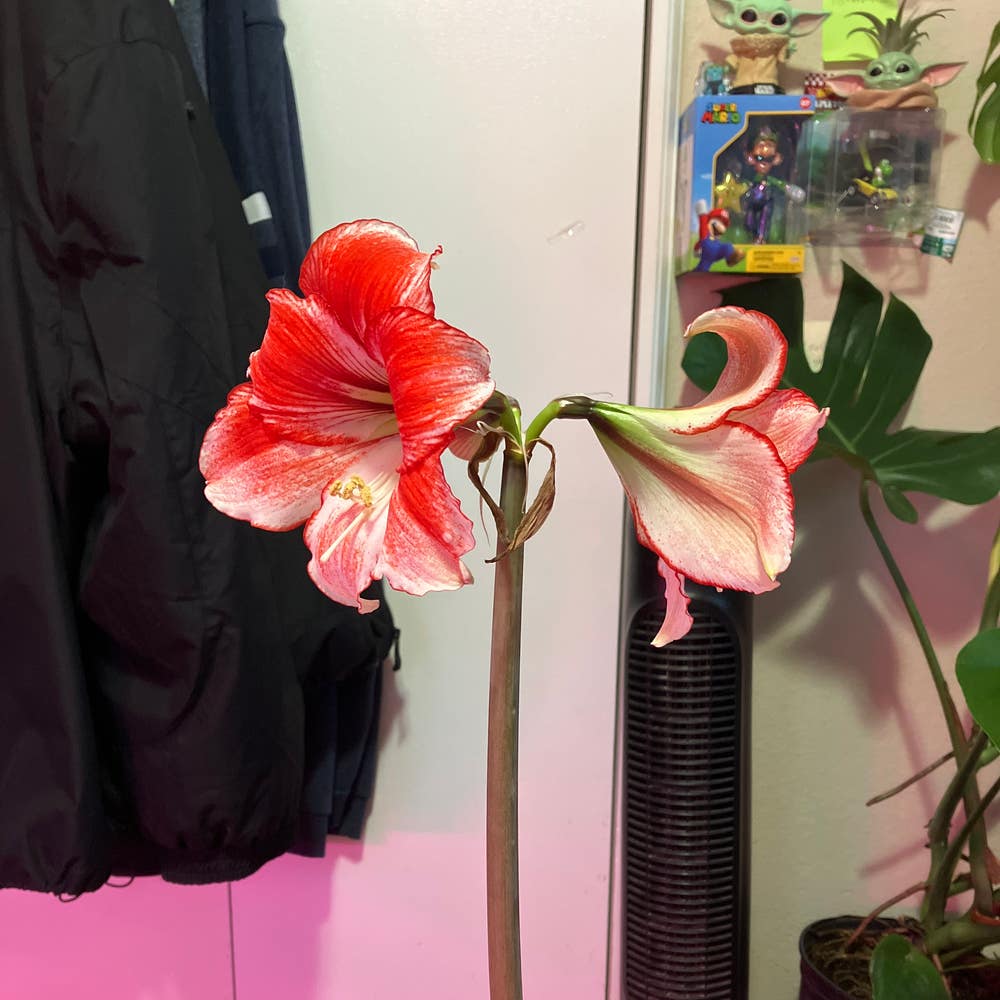
Easter lilies, with their trumpet-shaped blooms, are more than just a nod to spring. They're steeped in symbolism, especially within Christianity. These flowers are thought to have emerged from the tears of Eve as she left Eden, or from Christ's blood during the crucifixion, symbolizing purity, hope, and resurrection. The white-robed apostles of hope, as they're sometimes called, are common in artwork depicting biblical scenes, such as the Annunciation, where they're held by the angel Gabriel.
🌱 Indicators of Plant Health from Flowering Patterns
Blooming is the Easter lily's high-five, signaling robust health. A lack of flowers can be a red flag, hinting at issues like insufficient light or improper watering. Conversely, a lily that's bursting with blooms is a sign you're doing something right. It's like the plant's way of saying, "Thanks for the stellar care; here's some beauty for your efforts." Keep an eye on those flowering patterns—they're the plant's vital signs in full display.

Optimizing Light Exposure for Easter Lily Flowering
🌼 Ideal Light Conditions for Triggering Blooms
Easter Lilies crave bright light but scoff at direct sunlight like a cat avoiding a belly rub. To hit the sweet spot, place your lily within a whisker's reach of a window that bathes it in indirect sunlight. It's like setting up a VIP lounge for your plant, where the light is just right for it to kick back and start blooming.
🌞 Adjusting Light Exposure to Influence Blooming
If your Easter Lily's leaves start throwing shade by reaching out, it's time to shuffle its pot closer to the light. But watch out – too much light and you'll have a crispy critter on your hands. Rotate the plant occasionally to ensure even exposure, like a rotisserie chicken getting an even crisp. Remember, these floral divas need their beauty sleep too, so keep them in darkness at night to mimic the natural day-night cycle. If you're playing the role of the sun with grow lights, think of it as setting the stage for an encore performance, with lights on for 12-16 hours a day.

Temperature's Influence on Easter Lily Flowering
Easter Lilies, with their pure white trumpets, are not just a symbol of spring but a horticultural diva when it comes to temperature. To see them strut their stuff, you'll need to keep the thermostat steady. 65°F during the day and a touch cooler at night is their sweet spot.
🌡️ Preferred Temperature Range
Think of these lilies as your temperature-sensitive friend who always carries a sweater. Indoor growers, beware of drafts and heat sources like radiators that can send your lilies into a sulk. In the garden, they're a bit more robust, thriving in USDA Zones 7 to 9, where they can handle the cold shoulder down to 0°F and a summer fling up to 86°F.
🏠 Indoor Temperature Management
To keep your Easter Lilies from throwing a fit indoors, avoid placing them near doors or air conditioning vents. They're about as fond of temperature swings as cats are of water. If you're nurturing them inside, remember they're just biding their time until they can hit the garden runway in June or July. Keep them cool, keep them happy, and they'll reward you with blooms that are the envy of the neighborhood.
Remember, temperature isn't just a number; it's a floral commandment for Easter Lilies.

Fertilization Techniques to Boost Easter Lily Blooms
Selecting the right fertilizer is crucial for the Easter Lily's grand performance. A high phosphorus blend is your backstage hero when buds begin their springtime ascent. Phosphorus is the secret sauce for those show-stopping blooms.
Timing is everything. Early spring is your cue to start the fertilization act, as the flower buds gear up for their debut. Stick to this schedule, and you'll be on track for a floral encore.
Don't get overzealous with the fertilizer; it's a fine line between support and smother. A half-dose of liquid love weekly keeps the lilies lively without tipping them over the edge.
Remember, the Easter Lily's roots are as delicate as its petals. Overfeeding can lead to a dramatic downfall, complete with brown leaves and a lackluster show.
In the end, it's about nurturing with precision. Follow the package directions to the letter, and your Easter Lilies will thank you with a bloom that's nothing short of an ovation.
Watering Practices for Healthy Easter Lily Flowers
💧 Proper Watering Techniques During the Blooming Season
Consistency is key when watering Easter Lilies. Wait until the top inch of soil feels dry before giving your plant a drink. Overzealous watering can lead to root rot, a surefire bloom-killer. On the flip side, don't let your lily become a desert dweller; underwatering stresses the plant, potentially stunting bloom development.
💦 Balancing Soil Moisture to Prevent Blooming Issues
A delicate balance must be struck to maintain the ideal soil moisture. Ensure your pot has drainage holes to avoid waterlogging. If you've accidentally overwatered, let the soil dry out a bit more before the next watering. Remember, your Easter Lily's not a cactus; it can't handle a drought. Keep the soil consistently moist, but not soggy, to support those glorious blooms.
Addressing Flowering Challenges in Easter Lilies
💡 Solutions for Common Blooming Problems
Bud drop is a buzzkill for Easter Lily enthusiasts. It's often caused by environmental stress, such as sudden temperature changes or improper watering. To combat this, maintain a consistent environment; keep your lilies away from drafts and fluctuating heat sources. Watering should be like a steady relationship – regular, but not smothering.
🛡️ Preventative Measures for Bloom Vitality
Prevention is better than a cure, especially with Easter Lilies. Regular inspections can catch early signs of trouble, like pests or disease. If you spot something off, don't panic – gentle intervention is key. Remove pests by hand or use mild, plant-friendly treatments.
🍽️ Nutritional Support
Fertilize wisely. A balanced diet promotes healthy blooms, so choose a fertilizer with an even NPK ratio. Apply it sparingly – think of it as seasoning, not the main course. Overfeeding can lead to lush leaves at the expense of flowers.
⛅️ Humidity and Airflow
Keep it breezy. Easter Lilies appreciate moderate humidity and good air circulation. If your indoor air is drier than a stand-up comedian's wit, consider grouping plants or using a humidifier. Just avoid creating a tropical storm in your living room.
👩🌾 After the Bloom
Post-bloom care is crucial. Once the flowers have bid adieu, reduce watering slightly and remove spent blooms to encourage future growth. This isn't the time for dramatic changes; think of it as a plant's version of self-care after a big event.
⚠️ Safety First
This content is for general information and may contain errors, omissions, or outdated details. It is not medical, veterinary advice, or an endorsement of therapeutic claims.
Always consult a qualified healthcare professional before using any plant as food, medicine, or supplement.
Never eat any plant (or feed one to pets) without confirming its identity with at least two trusted sources.
If you suspect poisoning, call Poison Control (800) 222-1222, the Pet Poison Helpline (800) 213-6680, or your local emergency service immediately.
Spotted an error? Please report it here.
Ensure your Easter lilies reflect their symbolic splendor 🌟 with Greg's tailored care schedule for the perfect light, watering, and feeding regimen.