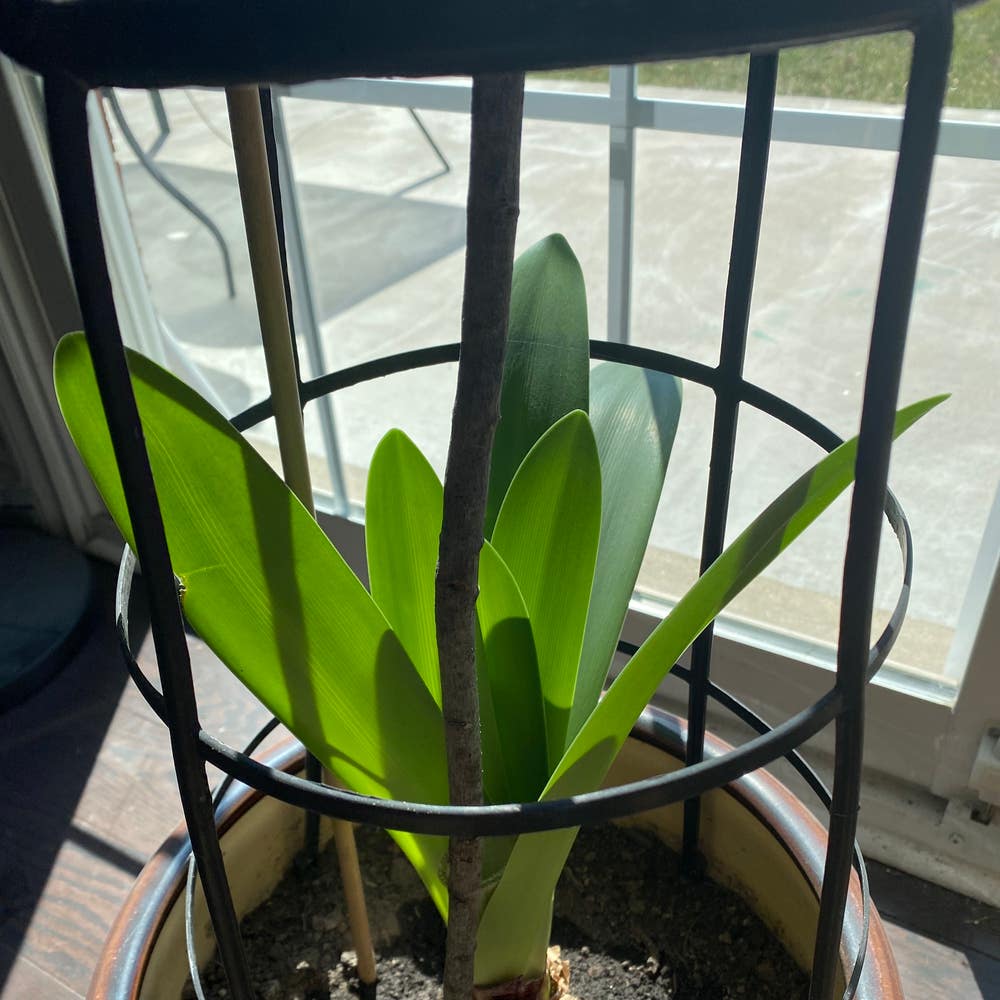
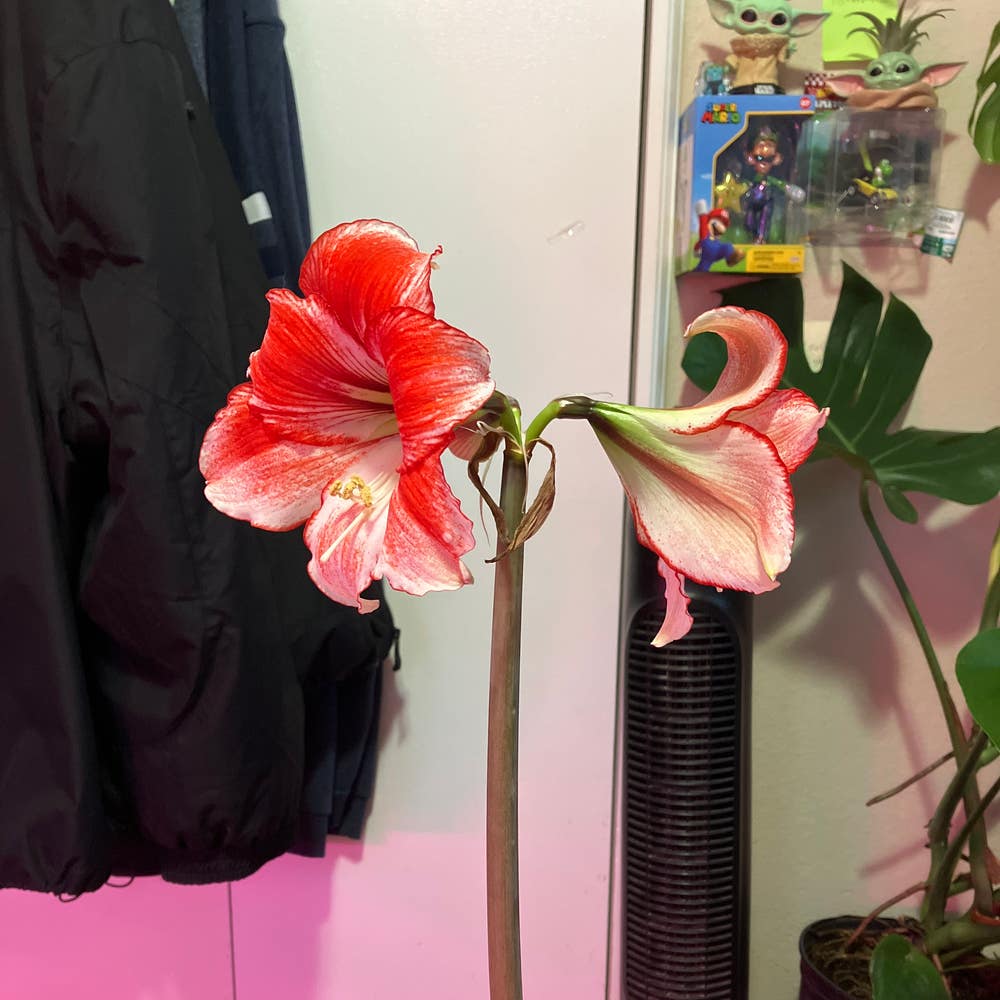
🐰 Why Are My Easter Lily Leaves Falling Over?
Amaryllis belladonna
By the Greg Editorial Team
Jun 14, 2024•6 min read
This article was created with the help of AI so we can cover more plants for you. May contain errors. See one? Report it here.
Prevent your Easter Lily's leaves from wilting 🍂 with these crucial, health-boosting care tips!
- Check soil dryness before watering to prevent overwatering and drooping.
- Bright, indirect light and stable temperatures keep leaves upright.
- Well-draining soil and pot with drainage holes are crucial.
Proper Watering Techniques to Prevent Drooping Leaves
Watering your Easter Lily is like hitting the sweet spot in a game of darts—it's all about precision. Check the soil before you water; if the top inch feels like a dry summer day, it's time to quench your plant's thirst.
💧 Determining Overwatering
Overwatering is the silent killer of houseplants, and your Easter Lily is no exception. Yellow leaves are the tell-tale sign that you've been too generous with the H2O. If the leaves are more limp than a forgotten birthday balloon, it's time to reassess your watering routine.
🚰 Ensuring Proper Drainage
Your plant's pot should have more holes than a detective's alibi to let excess water escape. If it doesn't, grab a drill and get to work. Proper drainage is non-negotiable unless you're aiming for a miniature indoor swamp.
⏳ Balancing Watering Frequency
Finding the right watering frequency is like finding a good coffee—personal and essential. Water deeply but infrequently, allowing the soil to dry out slightly between sessions. This will keep your Easter Lily's leaves standing at attention.
💦 Water Quality and Temperature
Tap water is fine, but if you're feeling fancy, rainwater or filtered water is like giving your plant a spa day. And always use water that's room temperature—cold water is as shocking to plants as a cold shower is to you in the morning.
🔄 Adjusting Practices
If you've been watering on autopilot, it's time to switch to manual. Pay attention to the soil's moisture level and your plant's body language. Droopy leaves are your plant's way of saying, "Hey, let's talk about our watering relationship."

Light Requirements for Upright Easter Lily Leaves
Easter Lilies bask in bright, indirect light. Too little light, and they'll stretch awkwardly; too much, and they'll crisp up like bacon in a pan.
🌞 Finding the Sweet Spot
Rotate your lily to avoid lopsided growth—like spinning a vinyl record, it ensures every part gets a play. Aim for several hours of filtered sunlight daily. Think of it as the plant's daily spa session—refreshing but not scorching.
🌅 Adjusting with the Seasons
As the sun plays hide and seek throughout the year, move your lily to keep up with the light—like adjusting your chair to stay in the shade on a sunny patio. Shield it from the harsh afternoon sun, especially during summer's peak, to prevent the botanical equivalent of a sunburn.
🐻 The Goldilocks Principle
Remember, it's all about balance. Not too much sun, not too little, just the right amount to keep your Easter Lily leaves standing tall and proud. Observe your plant's response to light changes; it's like reading a silent feedback form. Adjust accordingly, and you'll have a happy, photogenic Easter Lily.

Temperature and Humidity Factors
Easter Lily leaves are like Goldilocks; they prefer conditions that are just right. Temperature fluctuations and humidity levels can make or break their posture.
🌡️ Ideal Temperature Range
Keep the thermometer steady between 65-75°F during the day and slightly cooler at night. Avoid placing your lilies near heaters or air conditioners, as these can create microclimates that lead to droop.
💧 Humidity: The Invisible Factor
Humidity is a silent player in the health of your Easter Lily. Aim for a 40-60% range. Too dry, and the leaves may crisp up; too moist, and they might wilt or invite diseases.
🌿 Stabilizing Your Plant's Environment
Use a hygrometer to monitor humidity levels. If you're in a dry area, consider a humidifier or a pebble tray with water to increase moisture. During winter, when indoor air tends to be drier, this is especially crucial.
🔄 Quick Adjustments
If you spot droopiness, check the air. A sudden drop in temperature can cause a spike in relative humidity, stressing your lily. Conversely, a warm spell can dry the air out, leaving your plant thirsty.
Remember, Easter Lilies don't have a voice, but their leaves are communicative. Keep the environment consistent, and you'll keep them standing tall and proud.

Soil and Pot Considerations to Avoid Drooping Leaves
Soil type and pot size are the unsung heroes in the saga of your Easter Lily's posture. Get it wrong, and you're looking at a botanical faceplant.
🌱 The Right Soil Mix
Imagine your plant's roots trying to breathe through a wet blanket—that's poor drainage for you. Well-draining soil is non-negotiable. It's the difference between a plant thriving and one gasping for air. Mix in some organic matter like peat moss, but steer clear of moisture-retaining additives. They're a no-go for your lily's well-being.
🏺 Pot Size and Drainage: The Dynamic Duo
Size matters. Too small, and your Easter Lily's roots are in a straightjacket; too big, and you're drowning them in excess moisture. Aim for a pot that's the Goldilocks 'just right'—a size up from its current home. And those drainage holes? They're your plant's lifeline, preventing a soggy disaster.
🕰 When to Repot
Timing is everything. Post-bloom, when your lily is kicking back in its dormant phase, is ideal for a change of scenery. Gently coax the plant out, and if the roots scream 'crowded', it's time to upgrade. Repot with care—think of it as a delicate root spa, not a wrestling match.
🌿 Transplant Shock: The Aftermath
Drooping after repotting doesn't mean you've botched the job. It's just your plant's way of saying, "Give me a minute." Keep the soil consistently moist and avoid drastic changes in its environment. With a bit of TLC, your Easter Lily will be standing tall again.
Addressing Pests and Diseases That Cause Leaf Droop
🐛 Common Pests and Diseases
Aphids are the bane of many houseplants, including the Easter Lily. These sap-suckers can cause your lily's leaves to droop from stress. Fungal issues are another culprit, often sneaking up without a warning sign until it's almost too late. Bulb mites and diseases like lily basal rot and soft rot can also lead to a droopy demise, attacking the plant from below the soil line.
💉 Treatment Options
For aphids, a vigorous spray from your hose or sink can knock these pests off their perch. If you're dealing with fungal foes, removing affected areas and applying a fungicide may be your best bet. No registered miticides for bulb mites exist, but keeping the plant healthy and monitoring for early signs of infestation is key. For soft rot, it's a surgical procedure: remove and discard the affected parts to prevent spread.
🛡️ Prevention Tactics
Regular inspections are your first line of defense. Catching pests early means less drama for your lily. Neem oil or insecticidal soap can act as a barrier to entry for pests looking for a free meal. And when it comes to diseases, ensuring proper watering and drainage can keep those fungal party poopers at bay. Remember, a stressed plant is an invitation for trouble, so keep your Easter Lily happy and it'll stand tall.
⚠️ Safety First
This content is for general information and may contain errors, omissions, or outdated details. It is not medical, veterinary advice, or an endorsement of therapeutic claims.
Always consult a qualified healthcare professional before using any plant as food, medicine, or supplement.
Never eat any plant (or feed one to pets) without confirming its identity with at least two trusted sources.
If you suspect poisoning, call Poison Control (800) 222-1222, the Pet Poison Helpline (800) 213-6680, or your local emergency service immediately.
Spotted an error? Please report it here.
Prevent your Easter Lily's leaves from drooping with Greg's custom watering plan 🌿, tailored to keep your plant's soil and environment just right.