Is Direct Sunlight Good for My Easter Lily? 🥚
Amaryllis belladonna
By the Greg Editorial Team
Jun 14, 2024•5 min read
This article was created with the help of AI so we can cover more plants for you. May contain errors. See one? Report it here.
Nurture lush Easter Lily blooms with the right sunlight mix—no sunburn, just beauty! 🌞🌱
- 🌤️ Filtered sunlight, not direct, is best for Easter Lily health and blooming.
- Vibrant leaves signal proper sun; yellow or crispy edges mean too much.
- Adjust lily position seasonally to maintain consistent, gentle light exposure.
Direct Sunlight and Easter Lily Flowering
Easter Lilies, those harbingers of spring, have a love-hate relationship with direct sunlight. They crave the light for their spectacular blooms, yet too much can lead to a floral meltdown. Bright, indirect light is their sweet spot, especially when indoors. Think of it as their preferred cocktail: a mix of sunshine without the burn.
🌸 The Blooming Dance
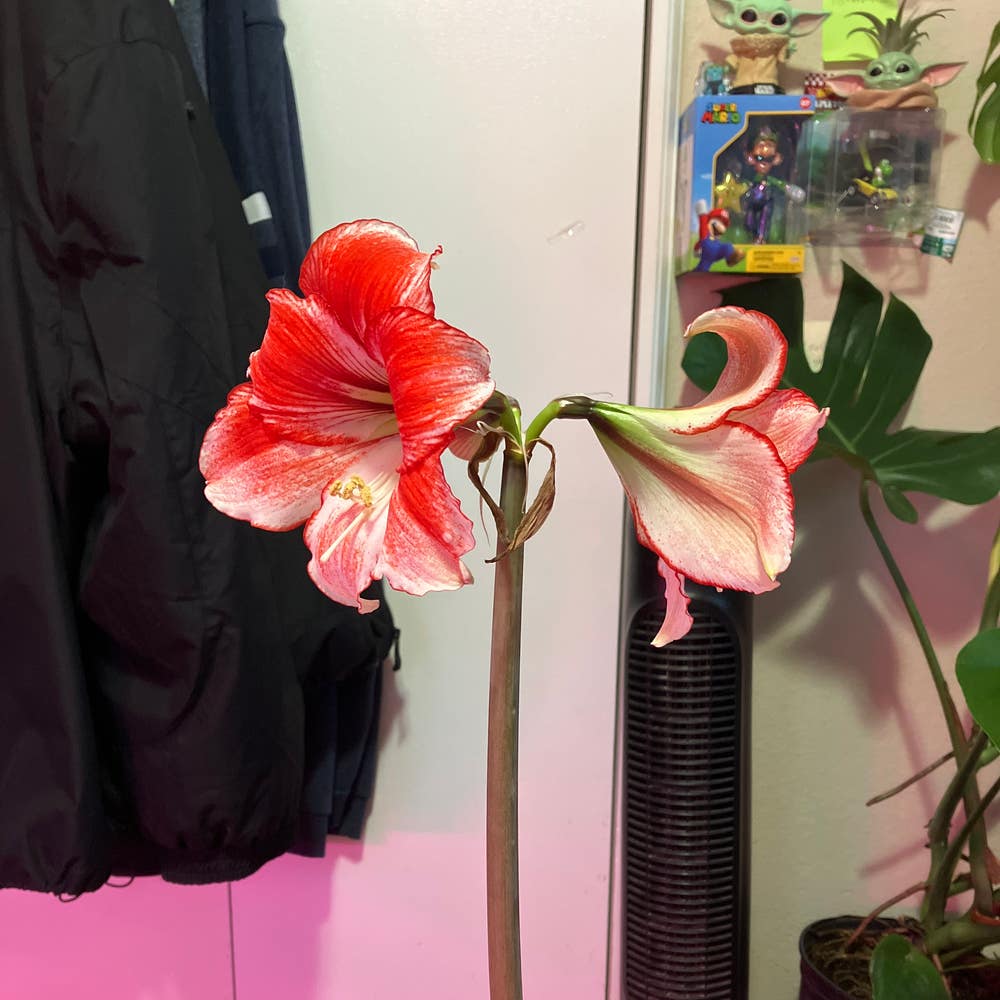
Direct sunlight plays a pivotal role in the blooming process of Easter Lilies. It's like a conductor's baton, cueing the buds to unfurl into their iconic trumpets. However, the light must be just right—filtered and gentle, akin to sunlight through a sheer curtain.
🌼 The Ideal Conditions
For maximum flowering, aim for a Goldilocks scenario: not too little, not too much, but just right. Several hours of this filtered light daily will encourage the lilies to produce more buds and bloom with gusto. Rotate the plant periodically to ensure all sides receive their fair share of light, preventing the botanical equivalent of a lopsided haircut.
🌞 The Outdoor Equation
When grown outdoors, Easter Lilies bask in the glory of the sun, but they appreciate some afternoon shade—a siesta from the intense midday rays. It's a balancing act, ensuring enough light for growth while dodging the harshness of a summer sun.
Remember, the goal is to mimic the lily's natural habitat, providing a light environment that's just right for those pristine white blooms to make their grand entrance.

Optimal Sunlight Exposure for Easter Lily Health
🌞 The Balancing Act
Bright, indirect light is the sweet spot for Easter Lilies. Too much direct sunlight risks scorching, while too little can lead to a lackluster bloom. It's a tightrope walk between growth and grief.
🚪 Reading the Signs
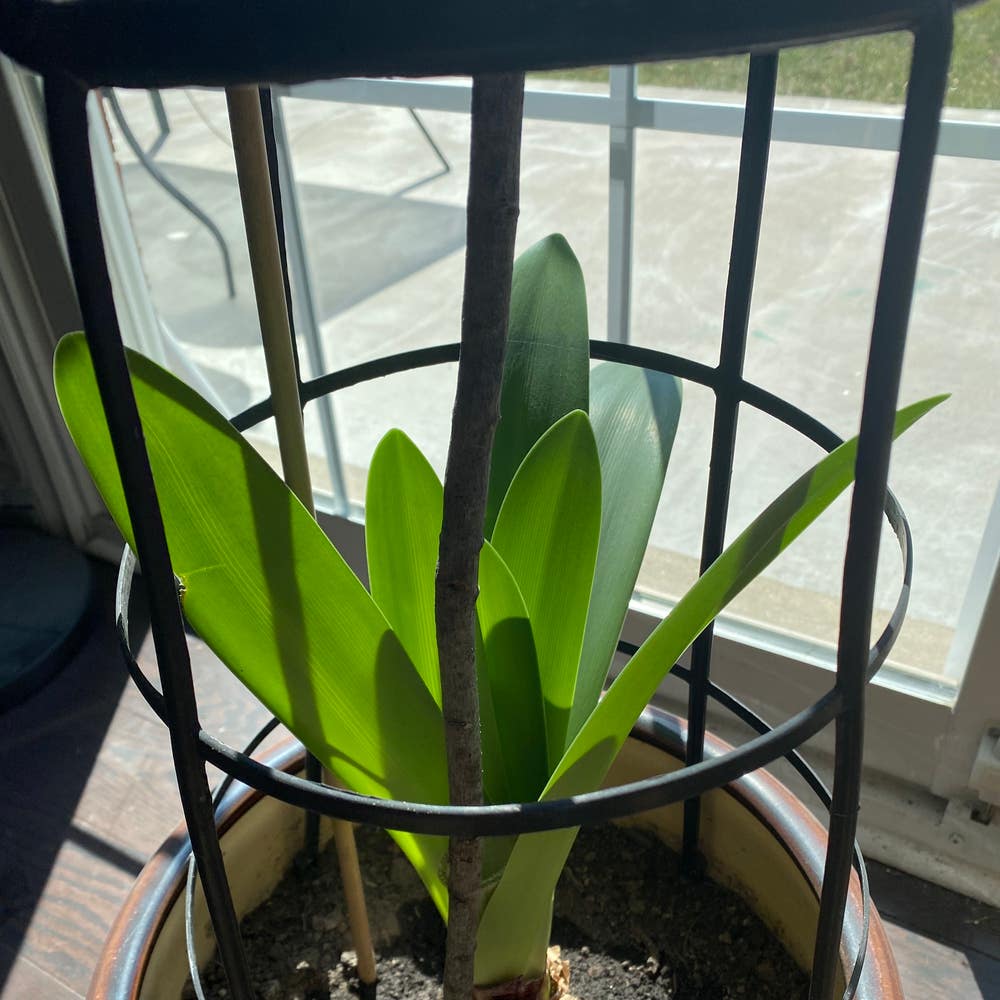
Leaves that are vibrant and firm suggest your Easter Lily is soaking up the right amount of sun. Yellowing or crispy edges? That's the plant's SOS for too much sun. On the flip side, a leggy lily with sparse blooms is crying out for more light.
🏡 Indoor Tips
Inside, your lily's best friend is a window that offers several hours of filtered sunlight daily. Rotate the plant to prevent the botanical equivalent of a lopsided tan.
🌳 Outdoor Wisdom
Outdoors, aim for a spot that's sunny yet shielded from the midday blaze. Think of it as sunscreen for your lily—protection without the goop.
🔄 Keep It Even
Consistency is key. A lily's love for light doesn't wane, so keep the exposure steady. Irregular light is like a stop-and-go diet—confusing and ineffective.

Positioning and Adjusting Easter Lily in Your Home
🌅 Best Practices for Placement
Window direction matters. Stick your Easter Lily by an east-facing window; it's the Goldilocks zone—not too harsh, not too dim. Hemisphere considerations? In the Northern Hemisphere, south-facing windows can be too intense, while north-facing ones might be too weak. Flip that if you're down under.
🌞 Seasonal Light Adjustments
As the seasons change, so does the sun's angle. You might need to shuffle your lily around to keep those light levels steady. In summer, it might crave a step back from the window to avoid a sunburn. Come winter, nudge it closer to catch those scarce rays.
🚫 Avoiding Drafts and Heat Sources
Keep your Easter Lily away from drafts and heat sources like radiators or appliances. These can cause more mood swings than a teenager's playlist. Cooler temperatures—think 60-65°F during the day—keep it blooming longer.
💧 Humidity Levels
Average home humidity is like a spa day for your Easter Lily. No need to fuss with misters or trays of pebbles—just let it chill in your home's natural vibe.

Protecting Easter Lily from Excessive Direct Sunlight
🌤️ Strategies to Mitigate Sunlight Damage
Easter Lilies bask in the glory of bright, indirect light, but direct sunlight is their kryptonite. To shield your lily from the harsh rays, use shades or sheer curtains during peak sunlight hours. If your plant's location is still too sun-kissed, consider moving it to a less intense spot. Remember, it's about finding that sweet spot where the light is just right.
Recognizing Sunburn and Stress
Sunburned leaves are the plant's SOS signal; they'll look scorched, brown, or crispy. If you spot these distress signs, it's time for some TLC. Move your Easter Lily to a shadier locale pronto. Keep an eye out for stunted growth or yellowing leaves, as these can also indicate your plant is getting more light than it can handle. Adjust its position, and watch it perk up.
🛡️ Preventative Measures
Prevention is better than cure, so keep your Easter Lily in a place where it gets filtered sunlight, like behind a gauzy curtain or beside a sunny window. Rotate the pot periodically to ensure all sides get even exposure. And remember, the sun's angle changes with the seasons, so be ready to shuffle things around as needed to maintain that perfect light balance.
Addressing the Aftermath of Overexposure
If your Easter Lily has already had a sunburn episode, trim the damaged leaves with care. This not only tidies up the plant but also redirects energy to healthier parts. Post-trim, place your lily in a spot with gentle light to recover, and keep the soil consistently moist, but not soggy. With some patience and the right care, your Easter Lily will bounce back, ready for its next bloom cycle.
⚠️ Safety First
This content is for general information and may contain errors, omissions, or outdated details. It is not medical, veterinary advice, or an endorsement of therapeutic claims.
Always consult a qualified healthcare professional before using any plant as food, medicine, or supplement.
Never eat any plant (or feed one to pets) without confirming its identity with at least two trusted sources.
If you suspect poisoning, call Poison Control (800) 222-1222, the Pet Poison Helpline (800) 213-6680, or your local emergency service immediately.
Spotted an error? Please report it here.
Nurture your Easter Lily to flourish 🌱 with Greg's location-based reminders for the ideal light and care schedule, ensuring vibrant blooms without the sunburn.