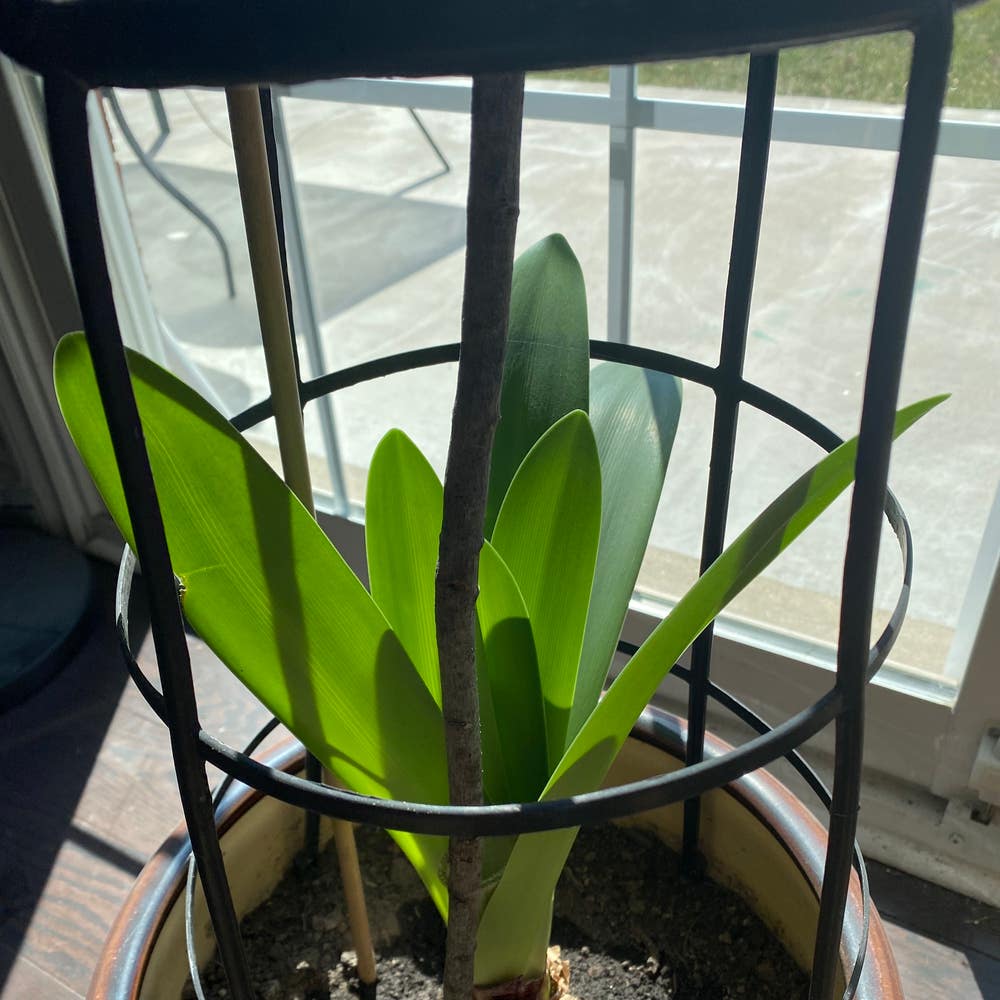
🐰 When and Where Should I Trim My Easter Lily?
Amaryllis belladonna
By the Greg Editorial Team
Jun 14, 2024•6 min read
This article was created with the help of AI so we can cover more plants for you. May contain errors. See one? Report it here.
Ensure a flourishing Easter Lily comeback 🌱 by pruning at the perfect post-bloom moment!
- Post-bloom pruning enhances future growth and plant health.
- Identify pruning zones by looking for spent blooms and browning foliage.
- Use sharp, clean tools to avoid damage and disease.
Optimal Timing for Pruning Easter Lilies
Pruning an Easter Lily isn't rocket science, but timing is everything. Post-bloom is your cue to grab the shears. Once the fanfare of flowers has faded, it's prime time to get snipping.
🌼 Signs Your Easter Lily is Ready
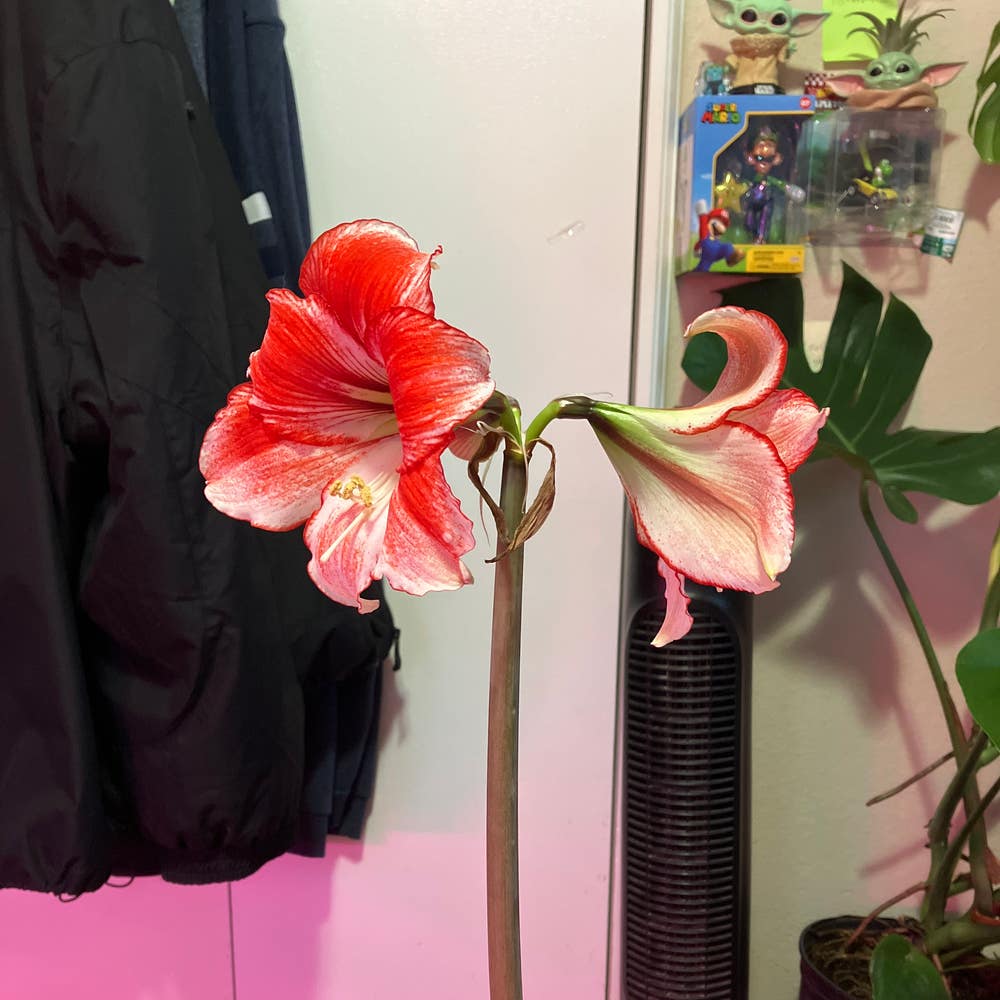
Look for the tell-tale signs: spent blooms that have lost their luster and petals that seem more interested in the floor than the flora. When the flowers start looking like yesterday's news, that's your green light.
⏳ The Waiting Game
Patience is a virtue, especially in gardening. Wait until the flowers have fully receded before you make a move. Jumping the gun can mean cutting off more than just dead weight.
🌸 The Aftermath of Bloom
Post-bloom doesn't mean post-apocalypse for your plant. After the flowers have taken their final bow, the plant is gearing up for the next act. This is when your Easter Lily is most receptive to a trim, setting the stage for future growth.
Remember, it's not just about aesthetics. Pruning is like a strategic retreat; you're pulling back to come back stronger. So, when the last petal drops, it's time to play gardener and give your Easter Lily the encore it deserves.

Identifying Pruning Zones on Your Easter Lily
Identifying pruning zones is crucial for the well-being of your Easter Lily. Focus on removing spent blooms, brown foliage, and yellow anthers to maintain vitality and appearance.
🍂 Dead or Dying Tissue
Visual cues are your best friends here. Look for withering petals, sagging stalks, or browning edges. These are clear indicators that it's time to snip.
🌱 Healthy Growth Preservation
When pruning, ensure you're not cutting into the healthy tissue. Aim to cut just above where the healthy growth begins, avoiding damage to the plant's future prospects.
🌸 After Blooming Care
Post-bloom, it's time to get down to business. Prune back to the green leaves once the original leaves start to brown, signaling the plant's readiness for new growth.
🛠️ Tools of the Trade
Always use sharp, clean shears. This prevents infection and ensures a clean cut, which is essential for the plant's recovery and continued health.

Pruning Techniques for Easter Lilies
Post-bloom is your Easter Lily's cry for a haircut. Once the fanfare of flowers fades, snip off the spent blooms. This isn't just for vanity—it redirects energy to the roots, setting the stage for next year's show.
🌼 Deadheading: A Blooming Necessity
Grab your shears and cut right below the base of the flower head. Deadheading is like telling your plant, "Hey, focus on the future, not the past." It's about more than just looks; it's a growth strategy.
🌿 The Foliage Fix-Up
When leaves go from vibrant green to a sad brown, it's time to trim back. But don't go Edward Scissorhands on your lily—cut back the brown foliage midseason and leave the healthy stuff alone. It's about balance—keeping your plant healthy without making it bald.
🌱 Stem Strategy
At season's end, when your lily's stems stand bare like winter trees, cut them down to soil level. It may seem harsh, but it's for the best. Think of it as a plant version of a phoenix rising from the ashes—next season, it'll come back stronger.
🛠️ Tool Talk
Your tools are your best friends here. Keep them clean and sharp to avoid crushing the stems or inviting disease. Dirty tools are the plant equivalent of double-dipping in the salsa—it's just not done.
Remember, pruning is more than a chore—it's an art. And with these techniques, your Easter Lily will be the Mona Lisa of your garden.

Avoiding Common Pruning Errors
Pruning your Easter Lily is like giving it a new lease on life, but there's a fine line between a trim and a chop. Over-pruning can leave your plant in shock, stunting its growth or worse. Stick to removing just the dead or dying parts, and your lily will thank you with robust health.
🔪 Use the Right Tools
Sharp and clean tools aren't just a neat freak's preference—they're a necessity for healthy cuts. Dull blades can crush stems, opening the door to infections. Disinfect your shears with alcohol or a bleach solution before you start, and after each plant, to avoid spreading any unseen plant plagues.
🎯 Know Where to Cut
It's tempting to just snip away any part of the plant that doesn't please the eye, but hold that thought. Identify the spent blooms and yellowing leaves first. These are the parts begging for a trim. Cut back to the base of the stem for blooms, and for leaves, snip where they meet the stalk.
🦠 Avoiding Disease Spread
Diseases love a poorly pruned plant. They thrive in the jagged wounds left by blunt tools and spread like gossip in a small town. Keep an eye out for signs of disease like unusual spots or rot before you start cutting, and avoid pruning when your lily's leaves are wet to deny pathogens an easy path in.
🌿 Pruning in Moderation
Remember, less is often more. Your Easter Lily doesn't need a buzz cut; it needs a shape-up. Remove only what's necessary to maintain the plant's health and appearance. Overdoing it can lead to a sparse and sad lily, and no one wants that.
🌱 After the Snip
Once you've finished pruning, don't just walk away. Inspect your plant in the following days for any signs of distress. A successful prune means a happier, healthier Easter Lily, ready to bloom when its next season rolls around. Keep it watered (but not too much), and with a bit of luck, your green thumb will be the talk of the town—or at least your living room.
Aftercare: Ensuring a Healthy Recovery Post-Pruning
After pruning your Easter Lily, immediate aftercare is crucial to ensure a healthy recovery.
🌱 Post-Pruning Steps
- Water the plant gently to help it recover from the stress of pruning. Ensure the soil is dry to the touch before watering again to avoid overwatering.
- Clean up any fallen leaves or debris to prevent disease spread.
- Monitor temperature and keep your Easter Lily in a cool environment, ideally between 60°F and 68°F.
- Provide bright, indirect light to encourage new growth without scorching the plant.
Signs of Successful Pruning
- New growth should start to appear where you made your cuts. This is a sign the plant is healing properly.
- Keep an eye out for consistent color and texture in the leaves, which indicates good health.
- Watch for any signs of distress, such as drooping or yellowing, which could suggest a need for adjustment in care.
Remember, recovery takes time. Patience is key as your Easter Lily bounces back.
⚠️ Safety First
This content is for general information and may contain errors, omissions, or outdated details. It is not medical, veterinary advice, or an endorsement of therapeutic claims.
Always consult a qualified healthcare professional before using any plant as food, medicine, or supplement.
Never eat any plant (or feed one to pets) without confirming its identity with at least two trusted sources.
If you suspect poisoning, call Poison Control (800) 222-1222, the Pet Poison Helpline (800) 213-6680, or your local emergency service immediately.
Spotted an error? Please report it here.
Trim your Easter Lily to perfection by using Greg's custom reminders 📅, ensuring you snip at the right time for a vibrant bloom cycle.