🥚 What Should I Do When Easter Lily Leaves Turn Yellow?
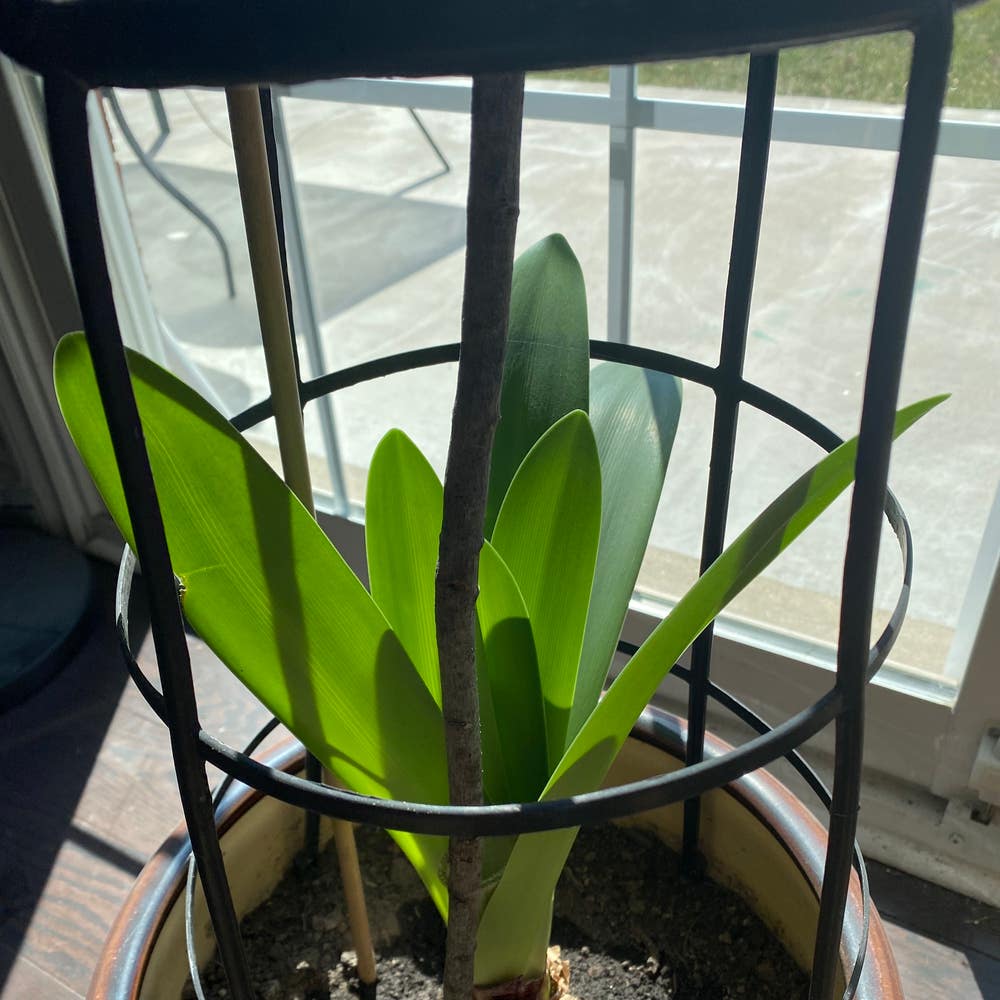
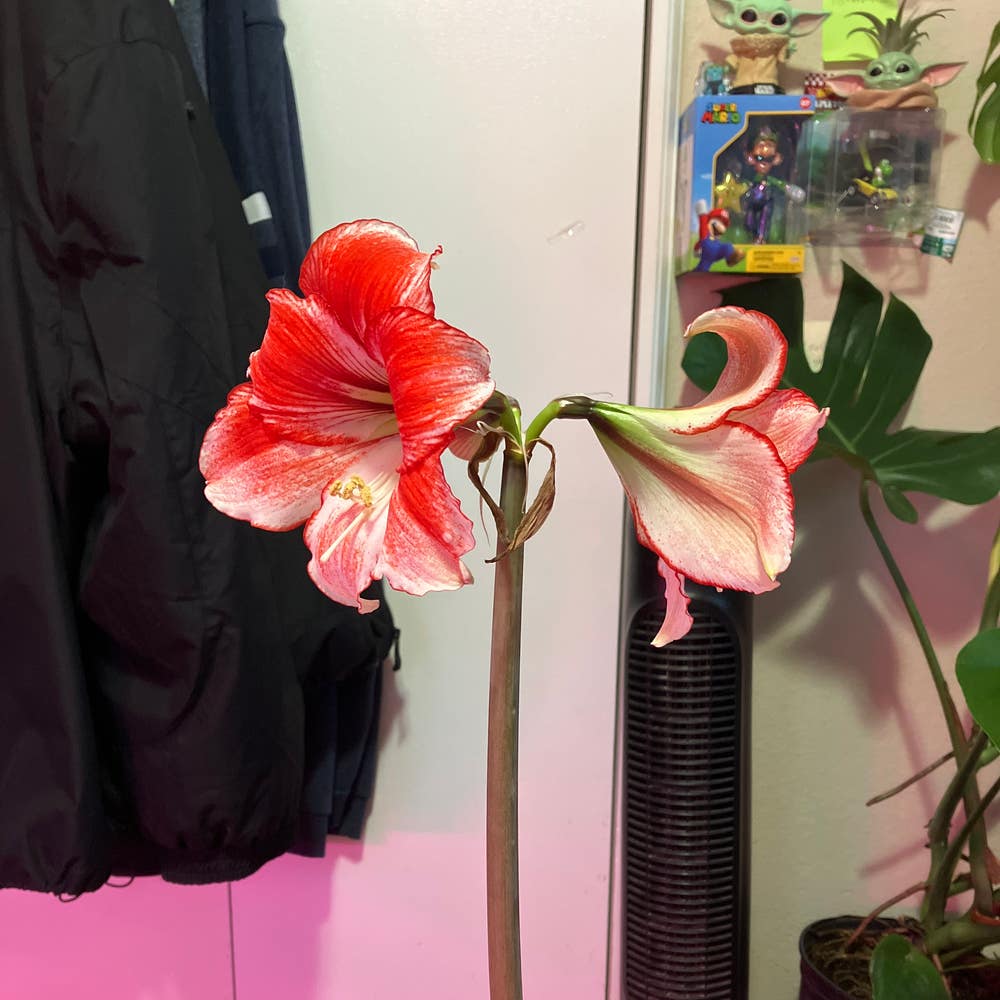
Amaryllis belladonna
By the Greg Editorial Team
Jun 14, 2024•5 min read
This article was created with the help of AI so we can cover more plants for you. May contain errors. See one? Report it here.
Keep your Easter Lily thriving 🌿 by learning the secrets to curing yellow leaves and ensuring lasting bloom.
- Yellow leaves signal issues like water, nutrients, or environmental stress.
- Check roots and adjust watering for plant health.
- Use balanced fertilizer, proper light, and pest control to prevent yellowing.
Diagnosing Yellow Leaves on Easter Lily
Identifying the root cause of yellow leaves on an Easter Lily requires a keen eye. Let's dive in.
🍋 Common Symptoms and Patterns
Yellow leaves can signal a variety of issues, from the benign to the serious. Uniform yellowing often points to a watering or nutritional problem. If yellowing starts at the tips or edges, it could be a sign of environmental stress or disease. Spotted or splotchy leaves? Pests or fungal issues might be your culprits.
🌱 Root Health Check
To rule out root-related causes, you'll need to get your hands dirty. Gently remove the plant from its pot and examine the roots. Healthy roots are firm and white, while rotten roots are mushy and brown. If the roots look like they've seen better days, it's time to take action.

Correcting Watering Issues to Combat Yellow Leaves
💧 Adjusting Watering Practices
Overwatering is a common misstep that turns Easter Lily leaves yellow. To avoid this, water only when the top inch of soil feels dry. Underwatering can be just as harmful, causing leaves to yellow and wilt. Ensure the plant receives a thorough drink, allowing moisture to reach the entire root zone.
🚰 Implementing Proper Drainage Solutions
Drainage is crucial to prevent root issues. Make sure your Easter Lily's pot has sufficient drainage holes. If water pools at the bottom, consider elevating the pot or using a layer of gravel to facilitate water flow. For persistent problems, repotting with a well-draining soil mix, perhaps with added perlite or sand, can be a game-changer.

Addressing Nutrient Deficiencies and Soil Quality
🌿 Identifying Signs of Nutrient Deficiencies
Yellow leaves on your Easter Lily might be shouting for help due to nutrient deficiencies. Nitrogen shortage often leaves older foliage looking tired and yellow as the plant prioritizes new growth. If the younger leaves are turning pale, it could be an iron deficiency. Watch for yellow edges as a cry for potassium, and a yellow pattern between the veins could mean the plant is magnesium-starved.
🌱 Amending Soil and Fertilization Practices
Balanced fertilization is key. Use a fertilizer that covers all bases, but remember, it's a fine line—over-fertilization can lead to more yellowing, not less. Always water the soil before adding fertilizer to avoid burning the roots. If you're seeing general yellowing, especially in cooler seasons, it's likely a nitrogen issue. For a quick fix, foliar feeding can deliver nutrients straight to the leaves, but for long-term health, enrich the soil with organic matter like compost or manure. Adjust your fertilizing schedule to match your plant's growth cycle, and don't be afraid to get your hands dirty—sometimes repotting with fresh, well-draining soil is the best solution.

Environmental Factors Contributing to Yellow Leaves
Adjusting light exposure and temperature is crucial for the Easter Lily's well-being. Too much direct sunlight can scorch the leaves, causing them to yellow and wilt. Conversely, insufficient light can starve the plant, leading to a lackluster display of greenery. Place your Easter Lily in a spot that basks in bright, indirect light – think of it as a cozy reading nook for your plant, away from the harsh glare but still sunny enough to thrive.
🌡️ Temperature and Protection
Easter Lilies prefer a Goldilocks zone – not too hot, not too cold. Keep your plant away from drafty windows and heat sources, as fluctuating temperatures can trigger stress-induced yellowing. Aim for a steady environment where the thermometer reads just right, avoiding the drama of temperature tantrums.
🛡️ Shielding from Stressors
Environmental stressors, like a rude gust of wind or an overzealous air conditioner, can also contribute to yellow leaves. Think of your Easter Lily as a bit of a diva, requiring a stable environment to put on its best performance. Protect it from the elements and maintain a consistent setting to prevent those leaves from turning a sickly yellow.
Remember, while you can't stop the natural aging process, which also causes yellowing, you can ensure the rest of the plant remains healthy and vigorous. Keep an eye out for the early signs of stress and act promptly – your Easter Lily will thank you with a flourish of vibrant leaves.
Treating Disease and Pest Issues
🐛 Identifying the Enemy
Pests and diseases are like uninvited guests at a garden party—they can quickly turn a thriving Easter Lily into a yellow-leafed wallflower. Mealybugs, nematodes, and fungal foes like root and crown rot are the usual suspects. Spot these party crashers? It's time to take action.
🌿 The Organic Arsenal
For pests, insecticidal soap or neem oil can be your go-to for a gentle smackdown. They're the bouncers of the garden world, showing pests the door without trashing the place. Got a case of the fungal blues? Remove affected leaves and boost air circulation. Think of it as giving your plant room to breathe and recover.
☠️ Chemical Warfare
Sometimes, the situation calls for the big guns. If organic remedies don't cut it, fungicides or pesticides might be necessary. But remember, it's like antibiotics—don't overdo it, or you'll risk harming more than just the pests.
🛡️ Prevention: The Best Medicine
Regular plant check-ups are crucial. Keep an eye on the lower and inner leaves; that's where trouble likes to hide. Spot a problem? Act fast—early treatment can turn the tide. And always remember, good drainage is non-negotiable. It's like giving your plant a solid foundation in a rough neighborhood.
👀 Monitoring and Maintenance
Stay vigilant. Regular monitoring is like neighborhood watch for your garden. Catch those critters early, and you'll keep your Easter Lily looking less like a yellow traffic light and more like the green go-ahead for growth.
⚠️ Safety First
This content is for general information and may contain errors, omissions, or outdated details. It is not medical, veterinary advice, or an endorsement of therapeutic claims.
Always consult a qualified healthcare professional before using any plant as food, medicine, or supplement.
Never eat any plant (or feed one to pets) without confirming its identity with at least two trusted sources.
If you suspect poisoning, call Poison Control (800) 222-1222, the Pet Poison Helpline (800) 213-6680, or your local emergency service immediately.
Spotted an error? Please report it here.
Keep your Easter Lily thriving by using Greg to monitor 🌿 and adjust care, preventing those yellow leaves before they start!