🌳 Burgundy Rubber Tree Varieties that Belong in Your Garden
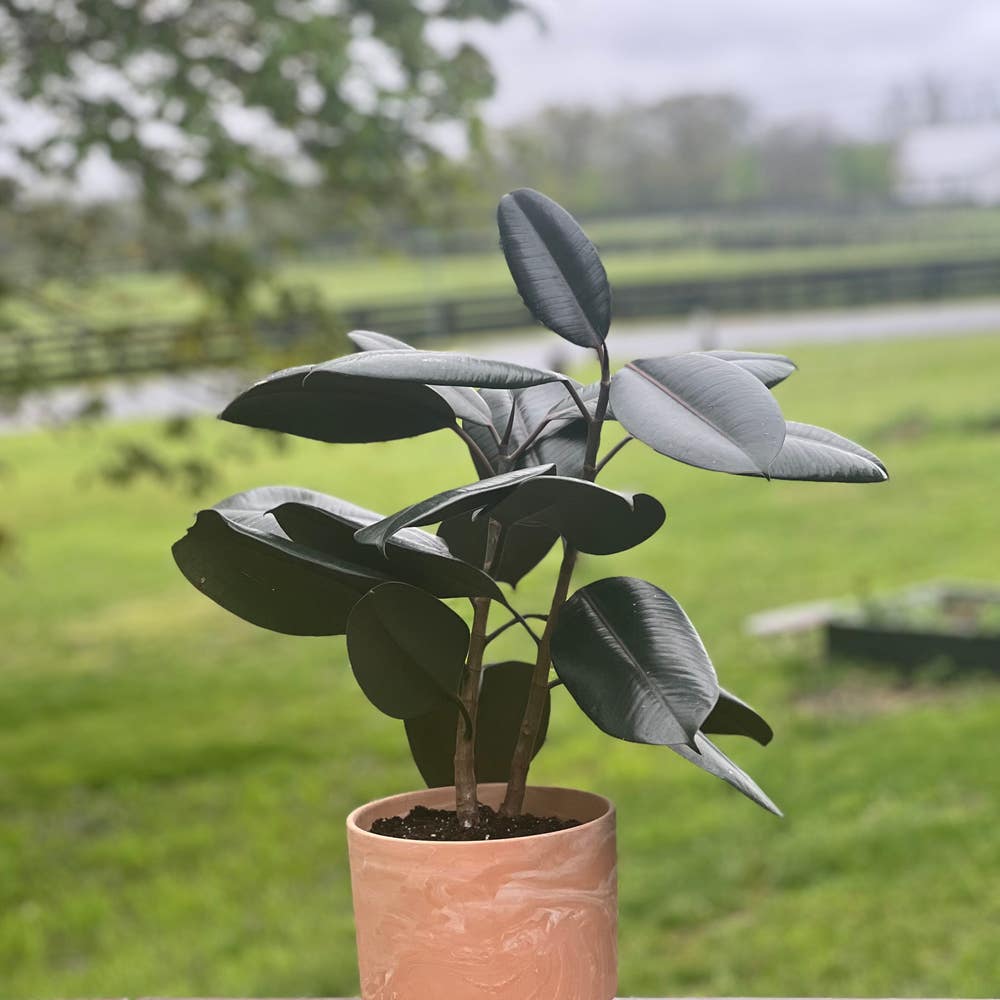
Ficus elastica 'Burgundy'
By the Greg Editorial Team
Sep 30, 2024•6 min read
This article was created with the help of AI so we can cover more plants for you. May contain errors. See one? Report it here.
Unlock the beauty of Burgundy Rubber Trees 🌿 and choose the perfect cultivar to elevate your garden's style!
- 🌈 Burgundy Rubber Trees offer vibrant colors, changing with light exposure for dynamic gardens.
- 🌱 Choose the right cultivar based on space and light for optimal growth.
- 💧 Proper care includes moist soil and humidity for thriving Burgundy Rubber Trees.
Popular Burgundy Rubber Tree Cultivars
🌿 Ficus elastica 'Burgundy'
Ficus elastica 'Burgundy' is a standout with its deep burgundy leaves. The color intensity can vary significantly based on light exposure, making it a dynamic addition to your garden.
This cultivar exhibits diverse growth habits, ranging from compact forms perfect for smaller spaces to more expansive varieties that can fill out larger areas.
🎨 Ficus elastica 'Tineke'
The 'Tineke' cultivar brings a unique flair with its striking variegation. Its leaves feature cream or white edges, adding a fresh contrast to the deep hues of other varieties.
In terms of growth pattern, 'Tineke' tends to be more upright and can reach a moderate size, making it suitable for both indoor and outdoor settings.
🌟 Other Notable Cultivars
Beyond 'Burgundy' and 'Tineke', several other Rubber Tree cultivars deserve attention.
- Ficus elastica 'Robusta': Known for its robust growth and larger leaves, it’s a favorite among those seeking a bold statement.
- Ficus elastica 'Melany': This variety showcases dark green leaves with a glossy finish, offering a different aesthetic while maintaining the classic Rubber Tree charm.
Each of these cultivars brings unique characteristics that can enhance your garden's diversity and visual appeal.
As you explore these popular varieties, consider how they can complement your existing plants and fit into your gardening style. Next, we'll dive into the fascinating color variations found in Burgundy Rubber Trees.
Color Variations in Burgundy Rubber Trees
Description of Color Variations 🌈
Burgundy Rubber Trees showcase a stunning range of colors, from deep burgundy to lighter, almost pinkish hues. These variations are not just for show; they can change based on environmental factors like light and humidity.
The intensity of the leaf color can fluctuate significantly. For instance, trees exposed to bright, indirect sunlight often display richer, deeper shades, while those in shadier spots may appear more muted.
Comparison of Leaf Colors Among Different Cultivars 🎨
When comparing cultivars like 'Burgundy' and 'Tineke', the visual differences are striking. The 'Burgundy' boasts solid, dark leaves, while 'Tineke' features a unique variegation with cream or white edges that adds a fresh twist.
Light exposure plays a crucial role in these color variations. Adequate light can enhance the vibrancy of the leaves, making them pop with color, while insufficient light can lead to dull, lackluster foliage.
Understanding these color dynamics can help you choose the right cultivar for your garden, ensuring it thrives in its environment. As we explore further, let’s delve into the size differences among these captivating Burgundy Rubber Tree cultivars.
Size Differences in Burgundy Rubber Tree Cultivars
🌱 Growth Habits of Various Cultivars
Burgundy Rubber Trees come in a variety of growth habits, making them versatile for different garden spaces. Some cultivars, like the Ficus elastica 'Burgundy', tend to be compact, perfect for smaller areas or indoor settings.
On the other hand, varieties such as Ficus elastica 'Tineke' can grow significantly larger, reaching impressive heights. This makes them ideal for creating a bold statement in larger gardens.
📏 Height and Spread Differences
When it comes to height and spread, Burgundy Rubber Trees can vary widely. On average, compact cultivars may reach around 2 to 3 feet tall, while larger varieties can soar to 8 feet or more.
Several factors influence these growth sizes, including light exposure, watering habits, and overall care. Understanding these elements can help you choose the right cultivar for your space.
In summary, whether you're looking for a petite plant or a towering tree, there's a Burgundy Rubber Tree cultivar that fits your needs. Next, let’s explore the special care requirements for these beautiful plants.
Special Care Requirements for Burgundy Rubber Tree Cultivars
🌱 Specific Care Needs for Hybrid and Rare Varieties
Caring for hybrid and rare Burgundy Rubber Tree varieties requires a bit more attention than their common counterparts. These unique plants often have specific watering, fertilization, and light needs that can vary significantly.
Watering: Ensure the soil remains consistently moist but not soggy. Overwatering can lead to root rot, while underwatering can cause leaf drop.
Fertilization: Use a balanced liquid fertilizer every 4-6 weeks during the growing season. This helps support their vibrant foliage and overall health.
Light Requirements: Most hybrids thrive in bright, indirect light. Direct sunlight can scorch their leaves, while too little light may stunt their growth.
🌤️ Environmental Conditions Preferred by Different Cultivars
Creating the right environment is crucial for the health of your Burgundy Rubber Trees. Each cultivar has its own preferences regarding humidity, temperature, and light.
Humidity: These plants enjoy higher humidity levels, ideally around 50-60%. Consider using a humidifier or placing a pebble tray filled with water beneath the pot.
Temperature: They prefer temperatures between 65°F and 80°F. Avoid exposing them to cold drafts or sudden temperature changes.
Light: While most cultivars appreciate bright, indirect light, some rare varieties may tolerate lower light conditions. Always check specific needs for each cultivar.
Understanding these care requirements will help you nurture your Burgundy Rubber Trees effectively. With the right attention, they can thrive and add stunning color to your garden.
As you delve deeper into the world of Burgundy Rubber Trees, consider how size differences among cultivars can influence your gardening choices.
Cultivar Comparisons
🌱 Differences Between Common and Rare Varieties
When it comes to Rubber Trees, common cultivars like 'Burgundy' and 'Tineke' are often favored for their striking appearance and ease of care. In contrast, rare varieties can showcase unique traits, such as unusual leaf shapes or colors, but may require more specialized care.
Common varieties typically exhibit robust growth habits and are more forgiving in various environments. Rare cultivars, however, might have specific needs regarding humidity and light, making them a bit more challenging for novice gardeners.
🏆 How to Choose the Right Cultivar for Your Garden
Selecting the right Rubber Tree cultivar involves considering several factors. First, assess your available space; some varieties can grow quite large, while others remain compact.
Next, think about light conditions. If your garden has limited sunlight, opt for cultivars that thrive in lower light. Finally, consider your aesthetic preferences—do you want a bold statement piece or a subtle addition?
For beginners, starting with common varieties like 'Burgundy' is a smart choice. Experienced gardeners might enjoy the challenge of nurturing rare cultivars, which can offer a rewarding experience and a unique touch to their collection.
With these considerations in mind, you’ll be well on your way to choosing the perfect Rubber Tree for your garden!
⚠️ Safety First
This content is for general information and may contain errors, omissions, or outdated details. It is not medical, veterinary advice, or an endorsement of therapeutic claims.
Always consult a qualified healthcare professional before using any plant as food, medicine, or supplement.
Never eat any plant (or feed one to pets) without confirming its identity with at least two trusted sources.
If you suspect poisoning, call Poison Control (800) 222-1222, the Pet Poison Helpline (800) 213-6680, or your local emergency service immediately.
Spotted an error? Please report it here.
Transform your garden with vibrant Burgundy Rubber Trees 🌿 and let Greg guide you with tailored care tips and watering reminders for thriving, colorful foliage!