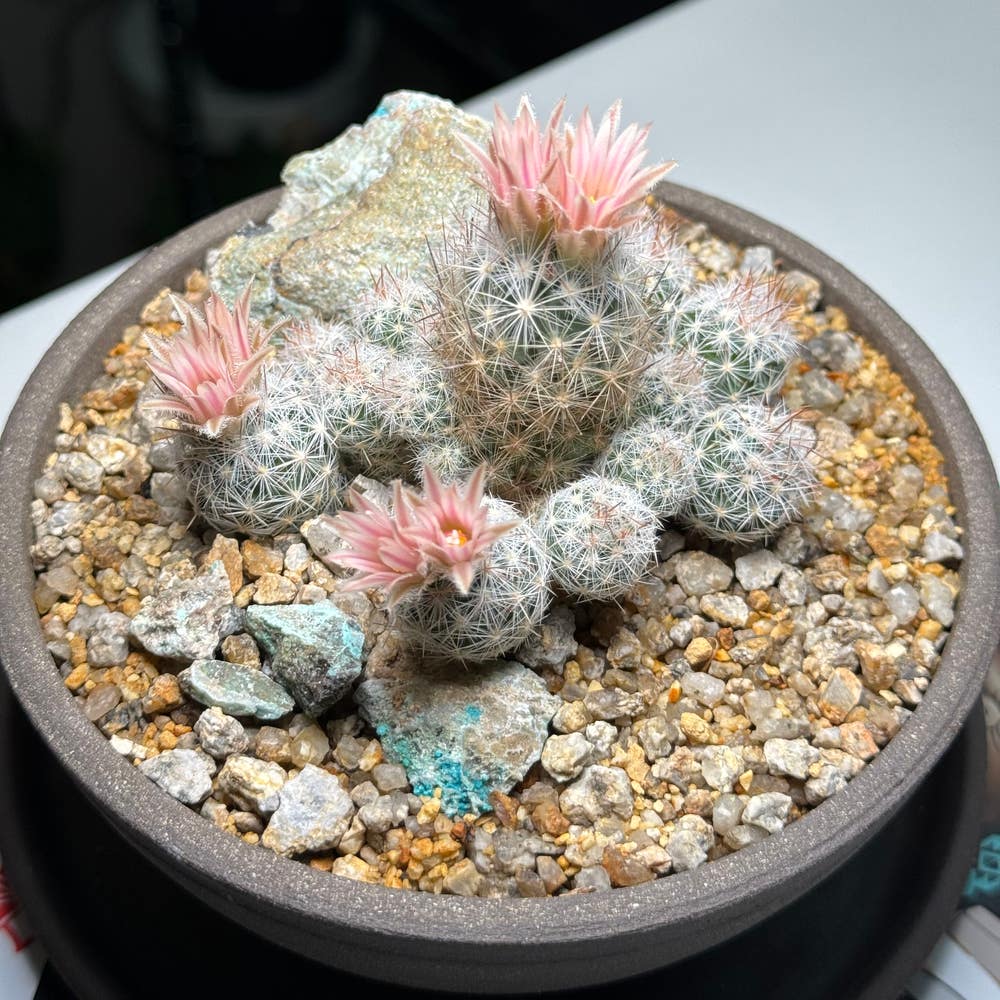
Yellow Pincushion Cactus Explained: Key Information 🌵
Escobaria missouriensis
By the Greg Editorial Team
Feb 02, 2025•11 min read
This article was created with the help of AI so we can cover more plants for you. May contain errors. See one? Report it here.
Discover the vibrant Yellow Pincushion Cactus 🌵—a stunning, low-maintenance plant that thrives on neglect and brightens any space!
- 🌞 Yellow Pincushion Cactus needs 6-8 hours of sunlight for optimal growth.
- 💧 Water only when soil is dry to prevent root rot and overwatering.
- 🌱 Non-toxic to pets and humans, but spines may cause mild irritation.
How to Grow
🌞 Choosing a Location
For your Yellow Pincushion Cactus, sunlight is key. Aim for full sun exposure, ideally 6-8 hours daily, to keep your cactus thriving.
When deciding between outdoor planting or a container, consider drainage and temperature control. Containers offer flexibility, while outdoor settings can provide natural conditions.
🌱 Soil Preparation
The right soil is crucial for healthy growth. Use a well-draining cactus mix or sandy loam to ensure your cactus gets the drainage it needs.
Aim for a pH level between slightly acidic to neutral, around 6.0-7.0. This range supports optimal nutrient absorption.
🌵 Planting Techniques
When planting, ensure your cactus is level with the soil surface. This positioning helps prevent rot and encourages healthy growth.
For outdoor planting, space your cacti 12-18 inches apart. This distance allows for air circulation and room for growth.
💧 Watering Guidelines
Watering is an art with cacti. Allow the soil to dry out completely between waterings to avoid over-saturation.
Watch for signs of overwatering, such as yellowing or mushy stems. These symptoms indicate that your cactus may need less water.
🌿 Fertilizing Needs
Use a balanced, diluted cactus fertilizer to nourish your plant. This type of fertilizer provides essential nutrients without overwhelming the cactus.
Fertilize every 4-6 weeks during the growing season. This routine supports robust growth and vibrant blooms.
✂️ Pruning Methods
Pruning is essential for maintaining your cactus's health. The best time to prune is after flowering or during dormancy.
When pruning, focus on removing dead or damaged pads. This practice encourages new growth and keeps your cactus looking its best.
🛠️ Ongoing Care
Caring for your cactus is straightforward. For container care, ensure there are drainage holes and monitor moisture levels regularly.
If your cactus is outdoors, protect it from frost and consider mulching to retain moisture. These steps will help your cactus thrive in various conditions.
With these guidelines, you'll be well-equipped to grow a healthy Yellow Pincushion Cactus. Next, let’s explore how to propagate this resilient plant!
Propagation
Seed Propagation 🌱
Propagation of the Yellow Pincushion Cactus can begin with collecting seeds from mature flowers. Once you have your seeds, create a warm, humid environment for germination, which typically takes about 2-3 weeks.
Offsets and Cuttings ✂️
Offsets are small cacti that grow at the base of the parent plant. To propagate these, use clean, sharp tools to cut them away, ensuring you have a healthy piece.
Rooting Medium 🌿
For both offsets and cuttings, a well-draining soil mix is essential. This will help prevent root rot and promote healthy growth.
With these propagation techniques, you can easily expand your cactus collection or share with friends. Next, let’s explore the size of the Yellow Pincushion Cactus and what to expect as it matures.
Size
Mature Height and Spread 🌵
The yellow pincushion cactus typically reaches an average height of 6 to 12 inches. Its spread can range from 12 to 18 inches, making it a compact yet striking addition to any garden or container.
Growth Rate and Size Variability 📈
This cactus has a moderate growth rate, which can vary based on care conditions. Factors such as soil quality, light exposure, and watering practices all play a crucial role in determining its ultimate size.
Understanding these aspects can help you cultivate a healthy, thriving cactus that fits perfectly into your space. With the right environment, your yellow pincushion cactus can flourish, showcasing its unique beauty for years to come.
As we explore further, let's delve into the fascinating topic of roots and their significance in cactus health.
Roots
Characteristics of the Root System 🌱
The yellow pincushion cactus features a fibrous root system. This type of root structure helps the plant efficiently absorb water and nutrients from the soil.
Root Depth and Spread 📏
Typically, the roots extend 6-12 inches deep. They also spread beyond the plant's diameter, allowing for better stability and resource access.
Common Root-Related Issues ⚠️
One of the most common problems is root rot, which occurs due to overwatering. Signs of unhealthy roots include a dark, mushy appearance that indicates decay.
Identifying Healthy vs. Unhealthy Roots 🧐
Healthy roots are firm and usually white or light tan. In contrast, unhealthy roots will appear soft and may be brown or black, signaling a need for intervention.
Recognizing Rootbound Plants and Solutions 🔄
If you notice roots emerging from the drainage holes, your cactus may be rootbound. The best solution is to repot it into a larger container, providing more space for growth.
Understanding the root system of your yellow pincushion cactus is crucial for its health. Proper care will ensure your cactus thrives, setting the stage for the next section on its benefits.
Benefits
The Yellow Pincushion Cactus offers a range of benefits that make it a fantastic addition to any garden or indoor space. Here are the top five advantages of this resilient plant.
1. Drought Tolerance 🌵
One of the standout features of the Yellow Pincushion Cactus is its remarkable drought tolerance. This cactus thrives on minimal water, making it perfect for those who may forget to water regularly.
2. Ornamental Appeal 🌼
With its bright flowers and unique shape, this cactus adds a vibrant touch to any landscape. Its striking appearance can serve as a focal point in your garden or a conversation starter indoors.
3. Low Maintenance 💤
For busy plant lovers, the Yellow Pincushion Cactus is a dream come true. It requires minimal care, allowing you to enjoy its beauty without the stress of constant upkeep.
4. Attracts Pollinators 🐝
This cactus is not just a pretty face; it also attracts beneficial pollinators like bees and butterflies. By planting it, you contribute to the health of your local ecosystem.
5. Symbolism 💪
Beyond its physical attributes, the Yellow Pincushion Cactus symbolizes endurance and resilience. It serves as a reminder of strength in challenging environments, making it a meaningful addition to your plant collection.
Incorporating this cactus into your home or garden not only enhances your space but also brings a sense of purpose and connection to nature. As we explore further, let's delve into the best companion plants that can thrive alongside the Yellow Pincushion Cactus.
Companion Plants
🌱 Concept of Companion Planting
Companion planting is all about creating a harmonious garden environment. It offers benefits like pest management and improved growth, making it a smart strategy for your yellow pincushion cactus.
🌵 Best Companion Plants
When selecting companions, consider other cacti, succulents, and drought-tolerant herbs. These plants thrive under similar care conditions and enhance the visual appeal of your garden.
🚫 Plants to Avoid
Steer clear of high-water requirement species as companions. They pose a risk of root rot and compete for nutrients, which can harm your cactus's health.
Incorporating the right companion plants can elevate your gardening experience. Next, let's explore the potential toxicity of the yellow pincushion cactus to humans and pets.
Toxicity to Humans
The yellow pincushion cactus is not considered toxic by major health organizations. This means you can enjoy its beauty without worrying about harmful effects.
However, there are a couple of minor issues to keep in mind. The spines can cause mild skin irritation, and if consumed in large quantities, it may lead to minor digestive discomfort.
⚠️ Cautionary Advice
Always exercise caution when handling this cactus. If you experience any unusual symptoms after contact or consumption, it's wise to seek medical advice.
By staying informed and cautious, you can safely appreciate the unique charm of the yellow pincushion cactus in your home or garden.
As we move forward, let’s explore how this cactus interacts with our furry friends.
Toxicity to Dogs
When it comes to the yellow pincushion cactus, pet owners can breathe a sigh of relief. This cactus is not listed as toxic by pet poison control centers, making it a safer choice for homes with dogs.
However, it's important to note that while the cactus itself isn't harmful, excessive consumption can lead to mild gastrointestinal upset. Keeping an eye on your furry friends is a good practice, especially if they show interest in nibbling on the plant.
🌟 Tips for Introducing to Homes
To ensure a harmonious coexistence between your yellow pincushion cactus and your canine companion, consider these tips:
- Proper Placement: Position the cactus in an area that’s out of reach for your dog. High shelves or hanging planters can be great options.
- Monitoring Behavior: Keep an eye on your dog’s interactions with the cactus. If they show signs of curiosity, redirect their attention to safer toys.
By following these simple guidelines, you can enjoy the beauty of your cactus while keeping your dog safe and sound.
Next, let’s explore how to tackle common problems that may arise with your yellow pincushion cactus.
Toxicity to Cats
The yellow pincushion cactus is not considered toxic by pet poison control centers. This means you can enjoy its beauty without worrying about severe health risks for your feline friends.
However, if a cat consumes too much of this cactus, it may experience mild gastrointestinal upset. It's always a good idea to monitor your pet's behavior after introducing any new plants into your home.
🏡 Tips for Introducing to Homes
To keep your cat safe, place the cactus in areas that are out of reach. This helps prevent any accidental nibbles.
Additionally, observe your cat's interactions with the plant. If you notice any unusual behavior, it might be best to relocate the cactus or consider other options.
With proper care and placement, you can enjoy the vibrant presence of the yellow pincushion cactus while ensuring your cat stays healthy and happy.
Next, let’s explore the potential problems that can arise when caring for this unique plant.
Problems
Common Problems 🌵
Growing a Yellow Pincushion Cactus can be rewarding, but it's not without its challenges. Understanding these common problems will help you keep your cactus thriving.
Incorrect Watering 🚰
Watering is crucial, and getting it wrong can lead to serious issues. Overwatering often shows signs like yellowing or mushy stems, while underwatering can cause shriveling and browning.
Incorrect Light Conditions ☀️
Light is another vital factor. If your cactus isn't getting enough sunlight, you may notice symptoms such as elongated growth or pale coloration, indicating it's stretching for light.
Incorrect Temperature 🌡️
Temperature extremes can also affect your cactus's health. Too much heat or cold can lead to stress, causing the plant to become weak or even die.
Diseases 🦠
Fungal diseases, such as powdery mildew and root rot, can plague your cactus if conditions aren't right. These issues often arise from excessive moisture or poor air circulation.
Growth Problems 🌱
Lastly, growth problems can manifest as leggy growth or a lack of flowering. These signs often indicate that your cactus isn't receiving the proper care it needs to thrive.
By being aware of these common problems, you can take proactive steps to ensure your Yellow Pincushion Cactus remains healthy and vibrant. Next, let’s explore the potential pest issues that could affect your cactus.
Bugs
🐜 Potential Pest Issues
Yellow pincushion cacti are generally resilient, but they can still attract pests. Understanding their susceptibility helps you stay ahead of potential infestations.
🔍 Identification and Damage
Spider Mites
Look for fine webbing and stippled leaves. These tiny pests can cause significant damage if not addressed promptly.
Scale Insects
These pests leave a sticky residue and can cause yellowing of the cactus. They often blend in with the plant, making them tricky to spot.
Mealybugs
Identified by their cotton-like masses, mealybugs can stunt growth. Regular checks can help catch them early.
🛠️ Effective Treatment Options
For spider mites, consider using insecticidal soap or neem oil. Both options are effective and environmentally friendly.
Scale insects can be treated with a cotton swab dipped in alcohol to remove them manually. Follow up with a systemic insecticide if the infestation is severe.
To tackle mealybugs, a combination of manual removal and insecticidal soap works well. Regular monitoring is key to preventing their return.
By staying vigilant and employing these treatment methods, you can keep your yellow pincushion cactus thriving and pest-free. Next, let’s explore what animals might be interested in snacking on your cactus.
What Eats
Common Animals 🦌
Yellow pincushion cacti can attract a variety of hungry critters. Common visitors include deer, rabbits, squirrels, birds, and rodents, all of which may find your cactus a tempting snack.
Signs of Animal Presence and Damage 🐾
To identify if animals are munching on your cactus, look for specific signs. Browsing patterns, droppings, and physical damage to the plant are clear indicators that wildlife is taking an interest.
Deterrent Methods 🚫
Protecting your cactus from these hungry animals can be achieved through various methods.
Chemical Repellents
Commercial chemical repellents can effectively deter animals, creating an unpleasant taste or smell that keeps them at bay.
Organic Control Methods
For a more natural approach, consider companion planting or using physical barriers. Surrounding your cactus with plants that animals dislike or erecting fences can help safeguard your precious plant.
By understanding what eats your yellow pincushion cactus and employing effective deterrent methods, you can enjoy its beauty without the worry of unwanted nibblers. Next, let’s explore the potential pest issues that can affect your cactus.
⚠️ Safety First
This content is for general information and may contain errors, omissions, or outdated details. It is not medical, veterinary advice, or an endorsement of therapeutic claims.
Always consult a qualified healthcare professional before using any plant as food, medicine, or supplement.
Never eat any plant (or feed one to pets) without confirming its identity with at least two trusted sources.
If you suspect poisoning, call Poison Control (800) 222-1222, the Pet Poison Helpline (800) 213-6680, or your local emergency service immediately.
Spotted an error? Please report it here.
Grow a thriving Yellow Pincushion Cactus 🌵 with Greg's tailored watering alerts and expert care tips, ensuring it flourishes in full sun while attracting beneficial pollinators!