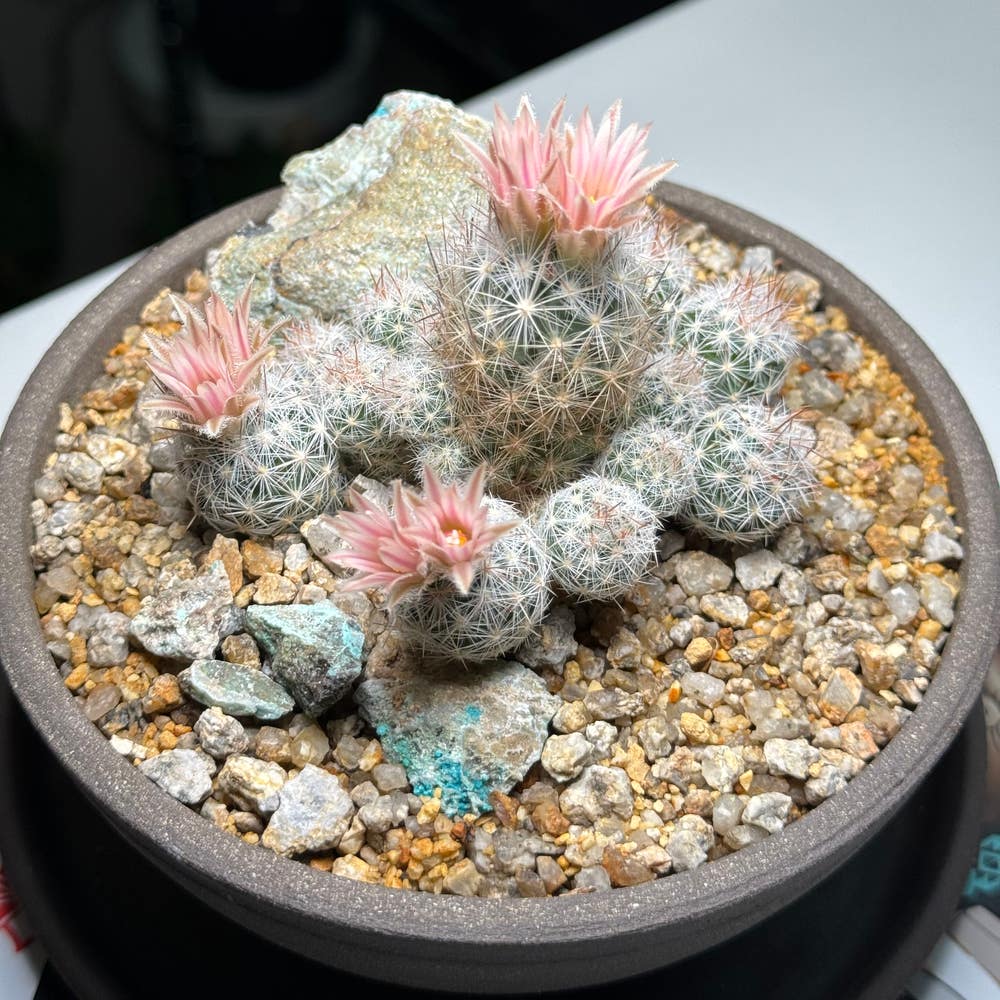
🌵 Optimal Hardiness Zones for Missouri Foxtail Cactus: 4a-9b
Escobaria missouriensis
By the Greg Editorial Team
Sep 30, 2024•4 min read
This article was created with the help of AI so we can cover more plants for you. May contain errors. See one? Report it here.
Unlock the secrets to thriving Missouri Foxtail Cactus 🌵 in any climate, from frigid winters to scorching summers!
- 🌵 Missouri Foxtail Cactus thrives in hardiness zones 4a to 9b, adaptable to various climates.
- ❄️ It tolerates temperatures as low as -30°F, but needs frost protection.
- 🌞 Optimal growth occurs between 20°F to 100°F, ensuring healthy development.
Missouri Foxtail Cactus Temperature Tolerance
❄️ Cold Tolerance Specifics
Missouri Foxtail Cactus can endure frigid temperatures down to -30°F (-34°C), making it well-suited for hardiness zone 4a. However, it has limited frost tolerance and requires protection during colder months to thrive.
🔥 Heat Tolerance Specifics
On the flip side, this cactus thrives in heat, with a maximum temperature tolerance of up to 100°F (38°C), typical for hardiness zone 9b. Its ability to withstand drought and high temperatures makes it an excellent choice for xeriscaping.
🌡️ Ideal Temperature Ranges for Growth
The optimal temperature range for the Missouri Foxtail Cactus lies between 20°F to 100°F (-6°C to 38°C). Temperature extremes can significantly impact its growth and flowering, so maintaining these ranges is crucial for healthy development.
This understanding of temperature tolerance sets the stage for exploring the ideal growing regions for the Missouri Foxtail Cactus.
Ideal Growing Regions for Missouri Foxtail Cactus
🌍 Examples of US States in Suitable Hardiness Zones (4a-9b)
Missouri Foxtail Cactus thrives in a range of hardiness zones, specifically 4a to 9b.
In zone 4a, you’ll find states like North Dakota, South Dakota, and parts of Minnesota, where the climate can support this resilient cactus despite colder winters.
Conversely, states like Southern California, Texas, and Florida fall within zone 9b, offering warmer temperatures that are ideal for growth.
These regions provide a mix of temperature extremes and seasonal variations that align perfectly with the cactus's natural adaptations.
🌱 Factors Contributing to Ideal Growing Conditions
To flourish, Missouri Foxtail Cactus requires specific soil and climate conditions.
First, it thrives in well-draining, rocky soils that closely mimic its natural habitat, preventing water retention that could lead to root rot.
Additionally, low humidity and minimal rainfall during the growing season are crucial.
These factors create an environment where the cactus can absorb nutrients effectively while avoiding excess moisture, ensuring robust growth.
Understanding these conditions can help gardeners select the right location for planting, maximizing the cactus's potential.
With the right environment, the Missouri Foxtail Cactus can truly shine, showcasing its unique beauty and resilience.
As we explore further, let’s dive into how microclimates can extend the growing range of this fascinating plant.
Microclimates and Their Impact
How Microclimates Can Extend Growing Range 🌍
Microclimates are localized areas where the climate differs from the surrounding region. For the Missouri Foxtail Cactus, these unique conditions can create a haven for growth, even outside its typical hardiness zones.
Key features of microclimates include:
- South-facing slopes: These areas receive more sunlight, warming the soil and air, which benefits the cactus.
- Urban heat islands: Cities often retain heat, providing a warmer environment that can support plant life.
- Sheltered areas: Locations protected from wind and frost can offer a more stable climate for growth.
These microclimate features can significantly enhance the survival and flourishing of Missouri Foxtail Cactus, making them viable in less-than-ideal conditions.
Examples of Microclimate Effects on Missouri Foxtail Cactus 🌵
There are numerous case studies showcasing the successful growth of Missouri Foxtail Cactus in unexpected areas. For instance, cacti thriving in urban gardens demonstrate how heat retention can create a suitable environment.
Local conditions play a crucial role in determining plant success. Factors like soil composition, moisture levels, and exposure to sunlight can all influence how well the cactus adapts.
Understanding these microclimate advantages can inspire gardeners to explore unconventional planting locations, expanding the potential for cultivating this resilient cactus.
As we delve deeper into the state-level suitability analysis, we’ll uncover more about where the Missouri Foxtail Cactus can thrive across the U.S.
State-Level Suitability Analysis
🌵 List of States Within Hardiness Zones 4a-9b
Missouri Foxtail Cactus thrives in a range of hardiness zones, specifically from 4a to 9b. Here’s a comprehensive list of states where this resilient cactus can flourish:
- North Dakota
- South Dakota
- Nebraska
- Kansas
- Oklahoma
- Texas
- New Mexico
- Arizona
- California
- Nevada
- Florida
These states offer the right combination of temperature and climate conditions, making them ideal for cultivating Missouri Foxtail Cactus.
❌ List of States Outside Suitable Zones and Reasons Why
Not every state is suitable for Missouri Foxtail Cactus. Here are some states where this cactus struggles to survive:
- Maine
- Vermont
- New Hampshire (too cold)
- Washington
- Oregon (too wet and humid)
These regions face challenges like excessive frost, high humidity, and inadequate temperature ranges. Such conditions prevent the cactus from thriving, highlighting the importance of selecting the right environment for successful growth.
Understanding these state-level distinctions helps gardeners make informed choices about where to plant their Missouri Foxtail Cactus. As we explore further, we’ll delve into how microclimates can expand the growing range for this unique plant.
⚠️ Safety First
This content is for general information and may contain errors, omissions, or outdated details. It is not medical, veterinary advice, or an endorsement of therapeutic claims.
Always consult a qualified healthcare professional before using any plant as food, medicine, or supplement.
Never eat any plant (or feed one to pets) without confirming its identity with at least two trusted sources.
If you suspect poisoning, call Poison Control (800) 222-1222, the Pet Poison Helpline (800) 213-6680, or your local emergency service immediately.
Spotted an error? Please report it here.
Cultivating your Missouri Foxtail Cactus is a breeze 🌵 with Greg's tailored care reminders and tips, ensuring it thrives in your unique hardiness zone!