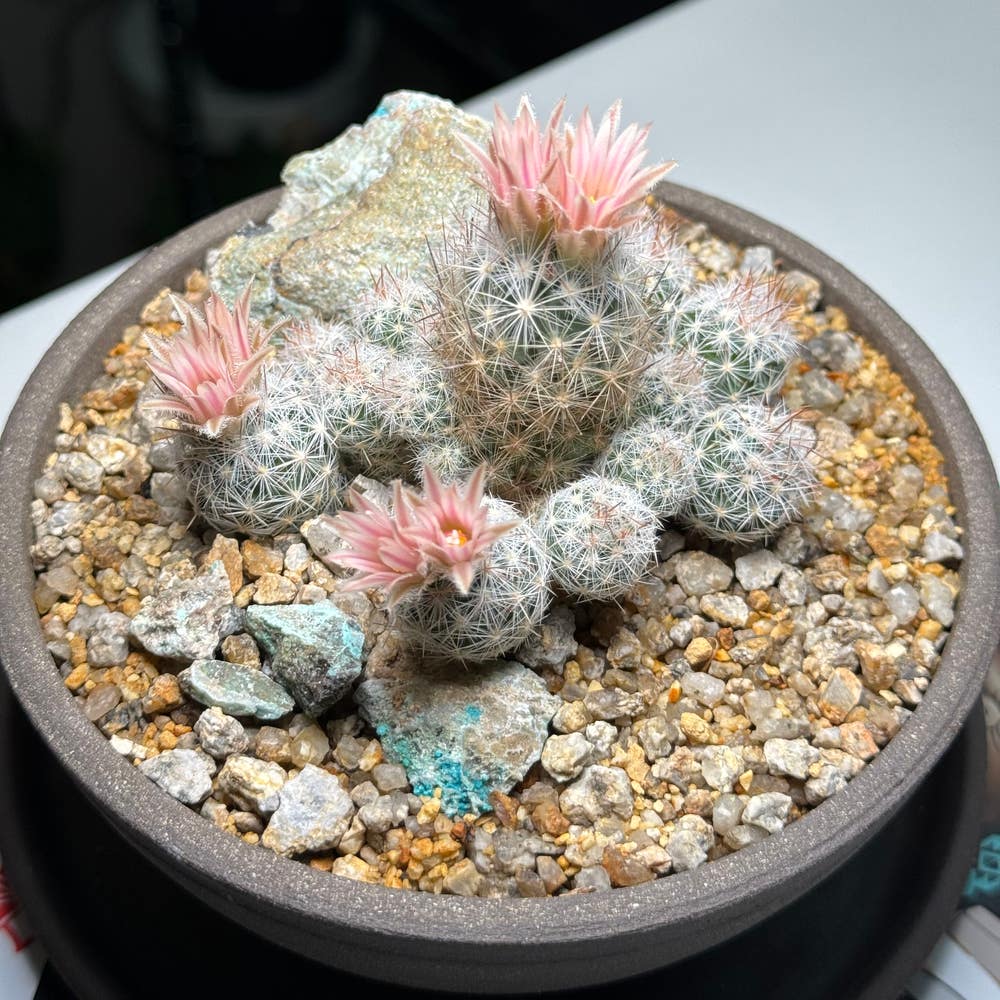
Why Does My Missouri Foxtail Cactus Have Yellow Leaves?
Escobaria missouriensis
By the Greg Editorial Team
Jun 15, 2024•9 min read
This article was created with the help of AI so we can cover more plants for you. May contain errors. See one? Report it here.
Revive your Missouri Foxtail Cactus 🌵 from yellow to green with these essential care tips!
- Overwatering causes yellow, swollen leaves; remedy with well-draining soil and fungicide.
- Bright, indirect sunlight and consistent climate prevent yellowing from environmental factors.
- Combat pests and diseases with insecticidal soap or neem oil for healthy leaves.
Diagnosing Yellow Leaves in Missouri Foxtail Cactus
💦 Overwatering: The Soggy Culprit
Yellow, swollen leaves on your Missouri Foxtail Cactus? Might as well be waving a soggy white flag. Overwatering is the likely villain here, with leaves that could burst from their waterlogged misery. Check the soil; if it's wetter than a rainforest floor, you've found your issue.
🏥 The Recovery Game Plan
Caught overwatering red-handed? Time to channel your inner surgeon. Snip off the sad, squishy roots and give the healthy ones a fungicide spa day. Repot in well-draining soil and cross your fingers for a comeback next season.
🏜️ Underwatering: The Thirsty Offender
Is your cactus looking more wrinkled than a linen shirt in a suitcase? That's underwatering, my friend. The soil will be as dry as a stand-up comedian's humor. Leaves may crisp up like autumn leaves underfoot, a sure sign your cactus is parched.
💧 Watering Regimen Revamp
To quench your cactus's thirst, water deeply but don't make it a flood. Let the soil dry out before you go for round two. It's about finding that watering sweet spot—like a perfectly brewed cup of coffee.

Impact of Environmental Factors on Leaf Color
🌞 Sunlight Exposure: Finding the Sweet Spot
Sunlight is like the main course for your Missouri Foxtail Cactus; without it, the plant can't photosynthesize and thrive. But too much direct sunlight can turn the leaves from lush green to a sickly yellow, as if they've been bleached by the sun's harsh rays. The key is to provide bright, indirect light. Think of it as a shady spot on a sunny day—perfect for a picnic, perfect for your cactus.
🌡️ Temperature and Humidity: The Comfort Zone
Your cactus isn't asking for a tropical getaway, but it does need a stable environment. Temperature swings and incorrect humidity levels can stress your plant out, leading to yellow leaves. Aim for a consistent temperature that mimics the cactus's natural habitat—warm but not hot, cool but not cold. As for humidity, think of it as the plant's skincare routine; too dry, and the leaves will start to show their dissatisfaction. A pebble tray or humidifier can work wonders in keeping the humidity just right.
🌍 Environmental Stress: A Balancing Act
Environmental factors are like a complex dance, with sunlight, temperature, and humidity each taking turns to lead. Get the balance wrong, and your cactus will signal its distress with yellow leaves. Pay attention to the subtle cues: leaves that are too bright might be getting too much light, while leaves that are pale could be craving more sunshine. It's all about finding that equilibrium where your cactus can bask in the glow of just the right conditions.

Soil and Nutrient Contributions to Yellowing
🌱 Soil Composition and Drainage
Soil quality is the unsung hero in the saga of plant health. Your Missouri Foxtail Cactus is no different. If the leaves are turning yellow, it's time to play Sherlock with the soil. Compaction or poor drainage are the usual suspects. A well-draining mix is like a good insurance policy against waterlogged roots. Remember, cactus roots prefer a penthouse suite with a view, not a basement apartment.
🌿 Nutrient Deficiencies
Now, onto the nutrient game. Yellow leaves can scream deficiencies louder than a hungry teenager. Low nitrogen? Older leaves will wave the yellow flag of surrender. Iron missing? New growth will pale faster than a vampire in sunlight. Magnesium? It's like the plant's version of a multivitamin, and without it, you'll see yellowing that's more widespread than a tabloid rumor.
💡 The Fix
Test your soil to see what's missing. It's like a blood test for your plant. Add lime if it's too acidic, or gypsum if it's too alkaline. And for the love of greenery, don't overdo the nitrogen. Balance is key—think of it as the dietary plate for plants.
🌱 Pro Tip
Always water before you fertilize. Dry soil and fertilizer mix about as well as oil and water. It can burn roots faster than a gossip spreads in a small town. And if you're really into the DIY spirit, consider a homemade fertilizer during the growth season. Your cactus will thank you with the lushest green leaves.

Addressing Pests and Diseases That Cause Yellow Leaves
🐛 Identifying the Culprits
Pests like mealybugs and nematodes can turn your Missouri Foxtail Cactus into a yellow mess. If you spot these critters, it's time for pest control. Look under leaves and in cooler, darker spots for any signs of these unwelcome guests.
🍄 Fungal and Viral Foes
Fungal diseases such as root and crown rot are stealthy invaders. Symptoms include yellowing leaves and, if you're unlucky, a plant that's more limp than a forgotten salad. To combat these, avoid watering from above and ensure your cactus has excellent drainage.
✂️ Pruning and Maintenance
When it comes to yellow leaves, sometimes you've just got to snip them off. But don't go Edward Scissorhands on your plant; be selective. Remove only the most affected leaves to prevent the spread of disease.
💊 Treatment Options
For pests, insecticidal soap or neem oil are your best friends. For diseases, remove the affected leaves and improve air circulation. If you're dealing with a serious case of the fungal blues, it might be time to repot with a focus on root health. Trim any rotten roots and choose a pot that won't leave your cactus swimming in excess water.
🚨 When to Seek Help
If you're scratching your head wondering whether those yellow leaves are from pests, diseases, or just a bad cactus day, don't hesitate to reach out. Snap some pics and consult with your local extension agent or plant-savvy friend. They can help you identify the issue and choose between chemical or organic treatment options.
Remember, early intervention is key. Catching yellowing leaves early gives you a fighting chance to keep your Missouri Foxtail Cactus as vibrant as a neon sign.
Remedies for Yellow Leaves
Turning around the fortunes of your Missouri Foxtail Cactus starts with swift action. Here's how to get those leaves from yellow back to mellow green.
🚰 Step 1: Assess Watering Habits
Overwatering is often the prime suspect. If the soil feels like a wet sponge, it's time to dial it back. Wait until the top inch is dry before giving it another drink. In contrast, if the soil is drier than a stand-up comedian's wit, increase watering frequency just enough to keep the soil slightly moist.
🌞 Step 2: Evaluate Sunlight Exposure
Too much sun can lead to a cactus sunburn, while too little can cause it to fade. Aim for a Goldilocks zone of bright, indirect light. If your cactus is basking in a sunlit sauna, move it to a spot with a bit of shade. Conversely, if it's lurking in the shadows, introduce it to more light, but do it gradually.
❄️ Step 3: Check for Drafts and Temperature Swings
Your cactus isn't a fan of the dramatics when it comes to temperature. Keep it away from drafty windows and doors. If it's shivering or sweating, find a more temperate location.
🌱 Step 4: Prune Judiciously
Yellow leaves are as useful as a chocolate teapot. Snip them off to redirect energy to the healthy parts of the plant. Remember, prune with purpose—you're not trying to give your cactus a new hairstyle.
🍽️ Step 5: Fertilize with Care
A balanced fertilizer can be a lifeline for your nutrient-starved cactus. Apply a balanced mix like the IFA Grand Champion All-Purpose Fertilizer at the start of the growing season. But don't overdo it—think of fertilizer as a vitamin boost rather than a full meal.
🐜 Step 6: Pest and Disease Inspection
Get up close and personal with your cactus. If you spot any freeloaders or signs of disease, show them the door with neem oil or insecticidal soap. Your cactus will thank you for the eviction.
💨 Step 7: Humidity and Airflow
Your cactus doesn't need a tropical rainforest vibe, but it doesn't want to live in a desert either. Ensure there's good airflow around the plant, but avoid placing it in the path of dry, hot air from vents.
🌱 Step 8: Soil and Drainage Check
Make sure your cactus is planted in well-draining soil. If it's sitting in moisture-retentive soil, consider repotting with a mix that's more on the gritty side to prevent root rot.
👩🌾 Step 9: Monitor and Adjust
Keep a watchful eye on your cactus. If you've made changes and the yellowing persists, reassess and adjust your care routine. Sometimes, plants just need a little time to respond to your TLC.
Remember, your Missouri Foxtail Cactus isn't trying to give you a hard time with its yellow leaves—it's trying to tell you something. Listen closely, and with a bit of care, you'll both be happier for it.
Preventative Measures for Healthy Foliage
In the realm of Missouri Foxtail Cactus care, prevention is the secret sauce to keeping those leaves a vibrant green. Here's the lowdown on sidestepping the yellow-leaf blues:
🕵️ Regular Monitoring
Check in on your spiky friend often, like a good neighbor keeping an eye out. Regular inspections can catch early signs of distress, from sneaky pests to the onset of nutrient deficiencies.
💧 Watering Wisdom
Overwatering is a no-go. Ensure the soil is dry before giving it another drink. In winter, when your cactus is chilling out, reduce watering to avoid soggy roots.
🌞 Sunlight and Shade
These cacti love their sunbaths but don't overdo it. Aim for a Goldilocks zone of light—enough to keep it happy, not so much it gets sunburned.
🌡️ Temperature and Humidity
Keep it cozy but not tropical. Your Missouri Foxtail prefers it on the warmer side but doesn't need a sauna. Humidity? Low, please.
🌱 Soil and Drainage
A well-draining soil mix is like a comfy bed for roots—essential for good health. No one likes wet feet, especially not cacti.
🍽️ Nutrient Know-How
Feed it right. A balanced fertilizer during the growing season is like a gourmet meal for your cactus. Skip the winter snacks; it's not hungry then.
🐜 Pest Patrol
Stay vigilant against the creepy crawlies. If you spot any, show them the door with a swift spray of insecticidal soap or neem oil.
🧹 Cleanliness is Key
Dust off those leaves for maximum photosynthesis efficiency. A clean cactus is a photosynthesizing powerhouse.
✂️ Pruning Practices
Snip away any yellow or damaged foliage. It's like cactus surgery—remove the bad to encourage the good.
By sticking to these best practices, you're not just preventing yellow leaves; you're setting the stage for a long, green life for your Missouri Foxtail Cactus. Keep it simple, keep it consistent, and you'll be the proud plant parent of a healthy, happy cactus.
⚠️ Safety First
This content is for general information and may contain errors, omissions, or outdated details. It is not medical, veterinary advice, or an endorsement of therapeutic claims.
Always consult a qualified healthcare professional before using any plant as food, medicine, or supplement.
Never eat any plant (or feed one to pets) without confirming its identity with at least two trusted sources.
If you suspect poisoning, call Poison Control (800) 222-1222, the Pet Poison Helpline (800) 213-6680, or your local emergency service immediately.
Spotted an error? Please report it here.
Banish yellow leaves from your Missouri Foxtail Cactus with Greg's personalized care alerts 🌵, ensuring perfect watering, sunlight, and pest control!