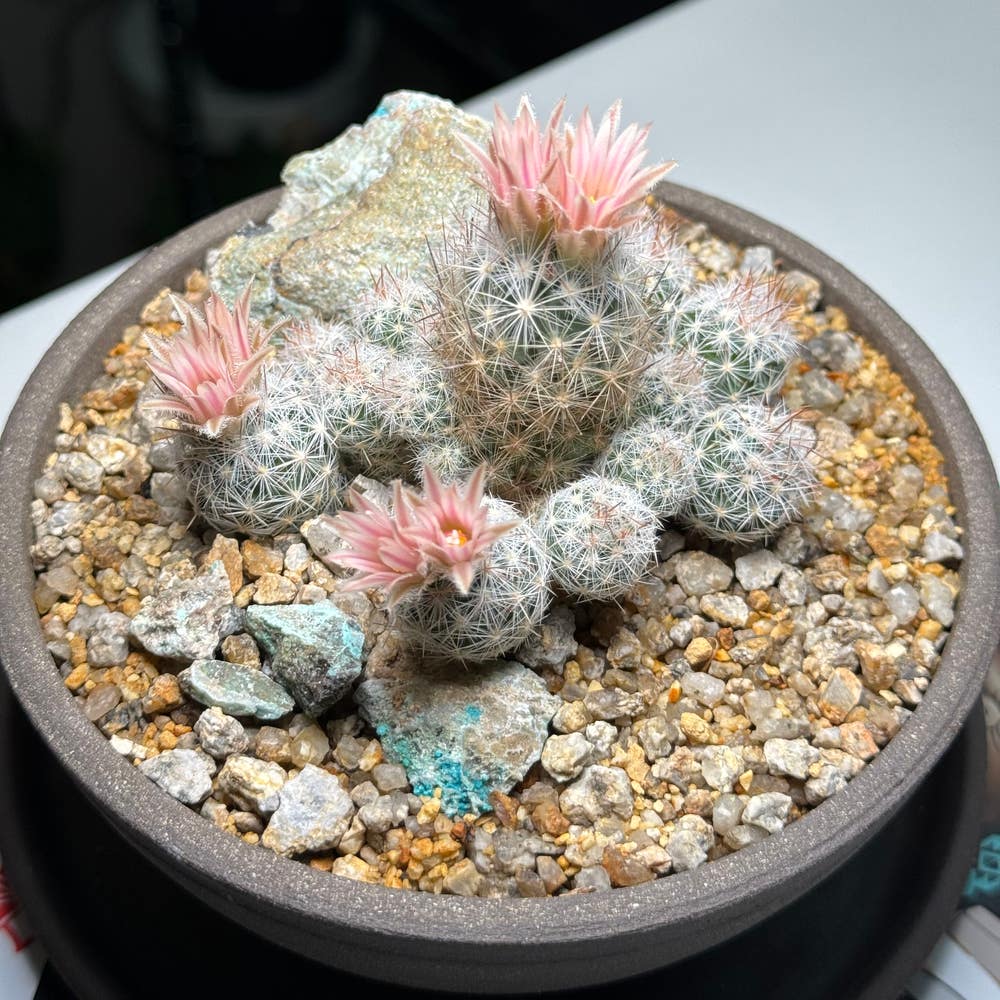
Missouri Foxtail Cactus: Not an Annual 🌵
Escobaria missouriensis
By the Greg Editorial Team
Sep 30, 2024•4 min read
This article was created with the help of AI so we can cover more plants for you. May contain errors. See one? Report it here.
Unlock the secrets of the Missouri Foxtail Cactus 🌵 to create a resilient, stunning garden that thrives for years!
- 🌵 Missouri Foxtail Cactus lives for decades, unlike short-lived annual plants.
- 💧 Thrives in arid conditions with minimal water and robust root systems.
- 🌼 Blooms multiple times each season, influenced by temperature and moisture levels.
Genetic and Physiological Characteristics
Long-term lifecycle 🌱
The Missouri Foxtail Cactus boasts an impressive lifespan, often living for many years, sometimes even decades. This longevity is complemented by a slower growth rate compared to annuals, which contributes to its sustained health over time.
Growth patterns 🌵
This cactus exhibits a unique growth form, perfectly adapted to arid conditions with low water needs. It also experiences seasonal growth, alternating between dormancy periods and active growth phases, allowing it to thrive in challenging environments.
Reproductive strategies 🌼
One of the fascinating aspects of the Missouri Foxtail Cactus is its reproductive strategies. It produces seeds through multiple flowering cycles throughout the growing season, ensuring a steady supply of new plants.
Additionally, this cactus can reproduce vegetatively through offsets or cuttings, making it resilient and capable of expanding its presence in the landscape.
In summary, the genetic and physiological characteristics of the Missouri Foxtail Cactus highlight its adaptability and longevity, setting the stage for understanding its lifecycle implications.
Lifecycle Implications
Effects of Perennial Lifecycle on Growth 🌱
The Missouri Foxtail Cactus thrives due to its perennial lifecycle, allowing it to build robust root systems over many years. This long-term growth strategy emphasizes survival, focusing on resilience rather than quick reproduction.
Flowering Patterns 🌸
This cactus often surprises gardeners by blooming multiple times each season. However, specific environmental conditions, such as temperature and moisture, trigger these flowering events, making timing essential for optimal blooms.
Seed Production Compared to Annuals 🌾
When it comes to seed production, the Missouri Foxtail Cactus excels with longer-lasting seeds that can remain viable for extended periods. In contrast to annuals, which often produce a high quantity of seeds, this cactus prioritizes seed quality, ensuring that each seed has the potential for delayed germination when conditions are right.
Understanding these lifecycle implications not only enhances appreciation for the Missouri Foxtail Cactus but also informs better gardening practices. As we delve deeper into variations and exceptions, we’ll explore how environmental factors can influence this remarkable plant's growth and classification.
Variations and Exceptions
🌪️ Conditions Leading to Misclassification
Environmental stress can significantly impact the Missouri Foxtail Cactus, often leading to dormancy. Drought or extreme temperatures may cause the cactus to appear lifeless, which can mislead observers into thinking it’s an annual.
Misinterpretation of growth patterns is common during these dormancy periods. When the cactus isn’t visibly growing, it can be mistaken for a plant that has died, rather than one simply conserving energy for future growth.
🌍 Regional Differences
Habitat variations play a crucial role in the growth of the Missouri Foxtail Cactus. Differences in moisture levels and temperature can lead to distinct growth patterns, affecting how the cactus thrives in various environments.
Cultivation practices also influence perceptions of the cactus's lifecycle. How it’s cared for—whether in a garden or a pot—can alter its growth behavior, leading to misconceptions about its perennial nature.
Understanding these variations helps gardeners appreciate the resilience and adaptability of the Missouri Foxtail Cactus. As we move forward, let’s explore how these characteristics can inform effective garden design and planting strategies.
Garden Design and Planting Strategies
🌼 Advantages in Perennial Gardens
Missouri Foxtail Cactus is a fantastic addition to perennial gardens. Its low maintenance needs mean you won't have to worry about frequent replanting.
This cactus brings unique texture and form, adding visual interest to any landscape. Its striking appearance can serve as a focal point or complement other plants beautifully.
🌱 Planning for Long-term Growth
Companion planting is a smart strategy when incorporating Missouri Foxtail Cactus. Pair it with other perennials to create a cohesive and harmonious garden look.
Understanding seasonal growth cycles is crucial for optimal placement. This knowledge helps ensure that your cactus thrives alongside its companions, enhancing the overall garden aesthetic.
By considering these factors, you can create a stunning and sustainable garden that showcases the beauty of the Missouri Foxtail Cactus.
Management Tips for Longevity
🌱 Best Practices for Management
To keep your Missouri Foxtail Cactus thriving, focus on effective watering techniques. During its active growth phase, deep watering is essential, while minimal watering is needed during dormancy.
Soil quality is equally important. Ensure you use well-draining soil to prevent root rot, which can be detrimental to this resilient plant.
🕒 Tips for Maximizing Longevity
Regular monitoring is key to a healthy cactus. Keep an eye out for pests and diseases that could compromise its health.
When it comes to fertilization, less is more. A minimal fertilization schedule mimics natural conditions, promoting robust growth without overwhelming the plant.
Adjust your care practices seasonally. Understanding the cactus's growth cycles and environmental changes will help you provide the best care possible.
With these management tips, your Missouri Foxtail Cactus can flourish for years to come, adding beauty and resilience to your garden. Next, let's explore how to design your garden effectively with this unique perennial.
⚠️ Safety First
This content is for general information and may contain errors, omissions, or outdated details. It is not medical, veterinary advice, or an endorsement of therapeutic claims.
Always consult a qualified healthcare professional before using any plant as food, medicine, or supplement.
Never eat any plant (or feed one to pets) without confirming its identity with at least two trusted sources.
If you suspect poisoning, call Poison Control (800) 222-1222, the Pet Poison Helpline (800) 213-6680, or your local emergency service immediately.
Spotted an error? Please report it here.
Unlock the decades-long beauty of your Missouri Foxtail Cactus 🌵 with Greg's personalized care tips and watering reminders, ensuring it thrives in your garden for years to come!