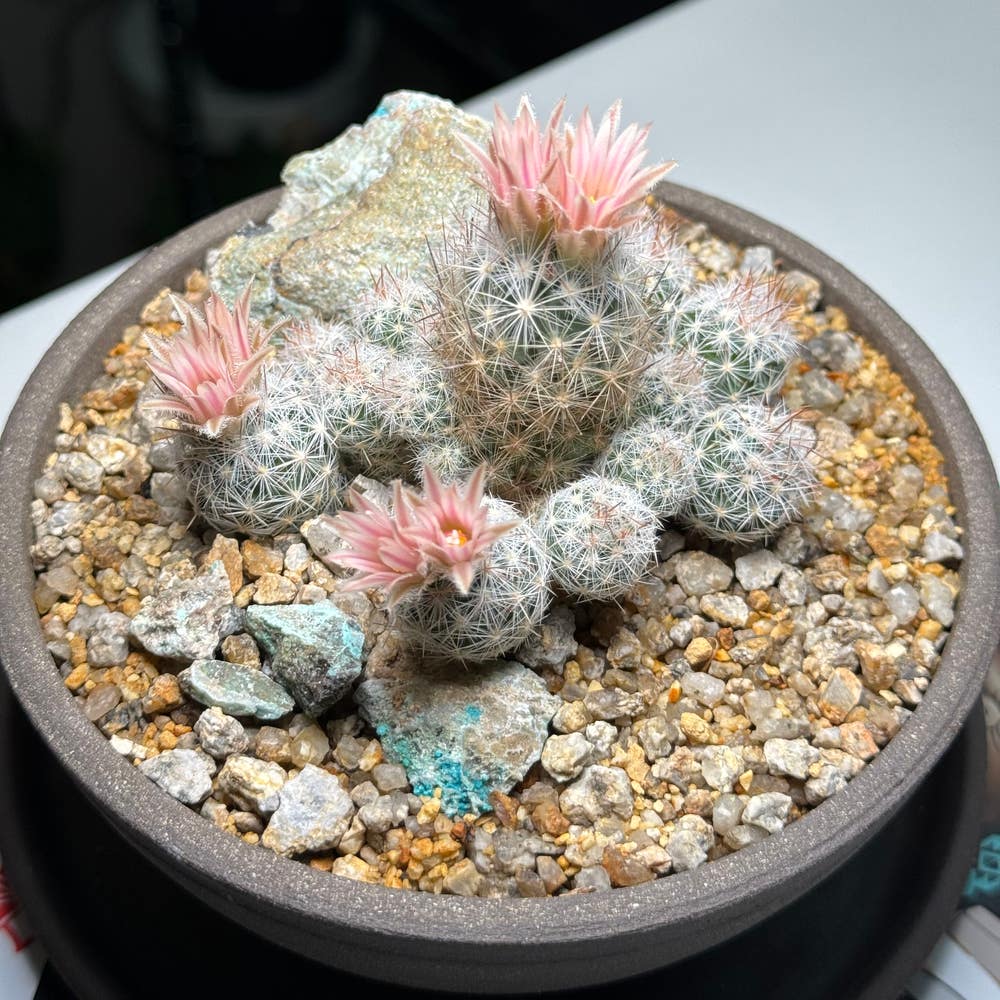
8 Winter Care Mistakes to Avoid with Missouri Foxtail Cactus 🌵
Escobaria missouriensis
By the Greg Editorial Team
Sep 30, 2024•5 min read
This article was created with the help of AI so we can cover more plants for you. May contain errors. See one? Report it here.
Ensure your Missouri Foxtail Cactus thrives this winter 🌵 by mastering essential care tips and avoiding common mistakes!
- ❄️ Avoid overwatering during dormancy to prevent root rot and fungal issues.
- 🌡️ Maintain temperatures between 30°F to 50°F for optimal cactus health.
- 🌱 Stop fertilization before winter to avoid nutrient burn and stress.
Winter Behavior of Missouri Foxtail Cactus
🌱 Characteristics of winter growth patterns
During winter, the Missouri Foxtail Cactus enters a phase of growth cessation. This means it significantly slows down its growth, conserving energy and resources.
One of its remarkable traits is its ability to store water. This adaptation allows it to thrive with minimal care during the colder months, as it relies on its reserves rather than frequent watering.
Cold hardiness is another essential characteristic. The Missouri Foxtail Cactus has developed adaptations that enable it to survive in chilly temperatures, making it a resilient choice for winter gardening.
Understanding these winter behaviors is crucial for effective care. By recognizing its unique needs, you can ensure your cactus remains healthy and vibrant through the colder months.
Next, let’s explore common winter care mistakes to avoid, ensuring your Missouri Foxtail Cactus thrives all season long.
Winter Care Mistakes to Avoid
💧 Overwatering during dormancy
Overwatering is one of the most common mistakes made during the winter months. This can lead to root rot and fungal issues, which can be detrimental to your Missouri Foxtail Cactus.
Signs of overwatering include yellowing, mushy stems, and wilting. To prevent these problems, water your cactus only once every 4-6 weeks during its dormancy.
❄️ Inadequate frost protection
Frost protection is crucial for maintaining the health of your cactus. Without it, the spines and structure can suffer significant damage.
Look for signs of frost damage, such as browning or blackened areas on the cactus. These indicators can help you take action before the damage becomes irreversible.
🌡️ Ignoring temperature requirements
Understanding the temperature tolerance of your cactus is essential. The ideal range is between 30°F to 50°F (-1°C to 10°C).
Exposure to extreme cold can damage the cellular structure of your cactus, leading to long-term health issues. Keep an eye on the weather and adjust your care accordingly.
🏠 Neglecting indoor care for potted cacti
Indoor and outdoor cacti have different care needs. If your cactus is potted indoors, be mindful of its environment.
Common mistakes include placing your cactus near drafts or heating vents. These conditions can stress the plant and hinder its winter survival.
🌱 Improper fertilization during winter
Timing is everything when it comes to fertilization. It's best to stop fertilizing your cactus before dormancy begins.
Fertilizing during this period can lead to nutrient burn and stress. Pay attention to your cactus's needs to ensure it thrives through the winter.
By avoiding these common winter care mistakes, you can help your Missouri Foxtail Cactus remain healthy and vibrant. Next, let’s explore effective frost protection strategies to safeguard your cactus during the colder months.
Frost Protection Strategies
Best Practices for Outdoor Frost Protection ❄️
When winter hits, protecting your Missouri Foxtail Cactus is crucial. One effective method is covering it with frost cloth. This material acts as an insulator, trapping warmth while allowing moisture to escape.
Using mulch is another smart strategy. A layer of mulch around the base can help insulate the soil, keeping roots warm during cold snaps.
If your cactus is in a pot, consider relocating it. Moving pots to sheltered areas, like a garage or shed, can shield them from harsh winds and freezing temperatures.
Indoor Placement for Optimal Warmth 🌞
For indoor cacti, placement matters. Position your Missouri Foxtail Cactus near south-facing windows or in warm rooms to maximize sunlight and warmth.
Avoid placing your cactus near cold drafts or heating vents. These fluctuations can stress the plant, leading to potential damage during the winter months.
By following these frost protection strategies, you can ensure your cactus thrives even in the coldest conditions. Next, let’s explore how to adjust watering and fertilizing schedules for winter care.
Adjusting Watering and Fertilizing Schedules
💧 How to modify watering frequency in winter
During winter, your Missouri Foxtail Cactus needs less water. Aim to water every 4-6 weeks to prevent overwatering.
To check if your cactus needs water, use a moisture meter or simply stick your finger into the soil. If it feels dry a couple of inches down, it’s time to water.
❌ When to stop fertilizing during dormancy
It's crucial to halt fertilization 4-6 weeks before your cactus enters dormancy. This pause helps your plant conserve energy and avoid nutrient burn.
Avoid high-nitrogen fertilizers during winter, as they can stress your cactus. Stick to low-nitrogen options or none at all during this period.
Transitioning your watering and fertilizing schedules is essential for keeping your cactus healthy through winter. With the right adjustments, your plant will thrive and be ready for spring growth.
Spring Preparation and Recovery
🌨️ Signs of Winter Damage to Look For
As winter fades, it's crucial to assess your Missouri Foxtail Cactus for any signs of damage. Look for browning, mushy spots, or a shriveled appearance, which can indicate stress from the cold.
Checking for new growth in spring is also essential. Healthy cacti will show signs of life, signaling that they are ready to thrive again.
🌱 Steps for Recovery and Rejuvenation in Spring
If you notice damage, start by pruning affected areas. Use clean, sharp tools to safely remove any mushy or brown parts, promoting healthier growth.
Next, adjust your watering schedule. Gradually increase the frequency as temperatures rise, ensuring your cactus receives the moisture it needs without overdoing it.
🔄 Transitioning Back to Regular Care Routines
Once you see new growth, it's time to resume fertilization. Start again after the cactus shows signs of vitality, typically a few weeks into spring.
Reintroduce your regular watering schedule based on environmental conditions. Monitor the soil moisture closely to keep your cactus happy and healthy as it emerges from dormancy.
With these steps, your Missouri Foxtail Cactus will be well on its way to a vibrant growing season!
⚠️ Safety First
This content is for general information and may contain errors, omissions, or outdated details. It is not medical, veterinary advice, or an endorsement of therapeutic claims.
Always consult a qualified healthcare professional before using any plant as food, medicine, or supplement.
Never eat any plant (or feed one to pets) without confirming its identity with at least two trusted sources.
If you suspect poisoning, call Poison Control (800) 222-1222, the Pet Poison Helpline (800) 213-6680, or your local emergency service immediately.
Spotted an error? Please report it here.
Keep your Missouri Foxtail Cactus thriving this winter ❄️ by using Greg's tailored watering reminders and care tips to avoid common mistakes!