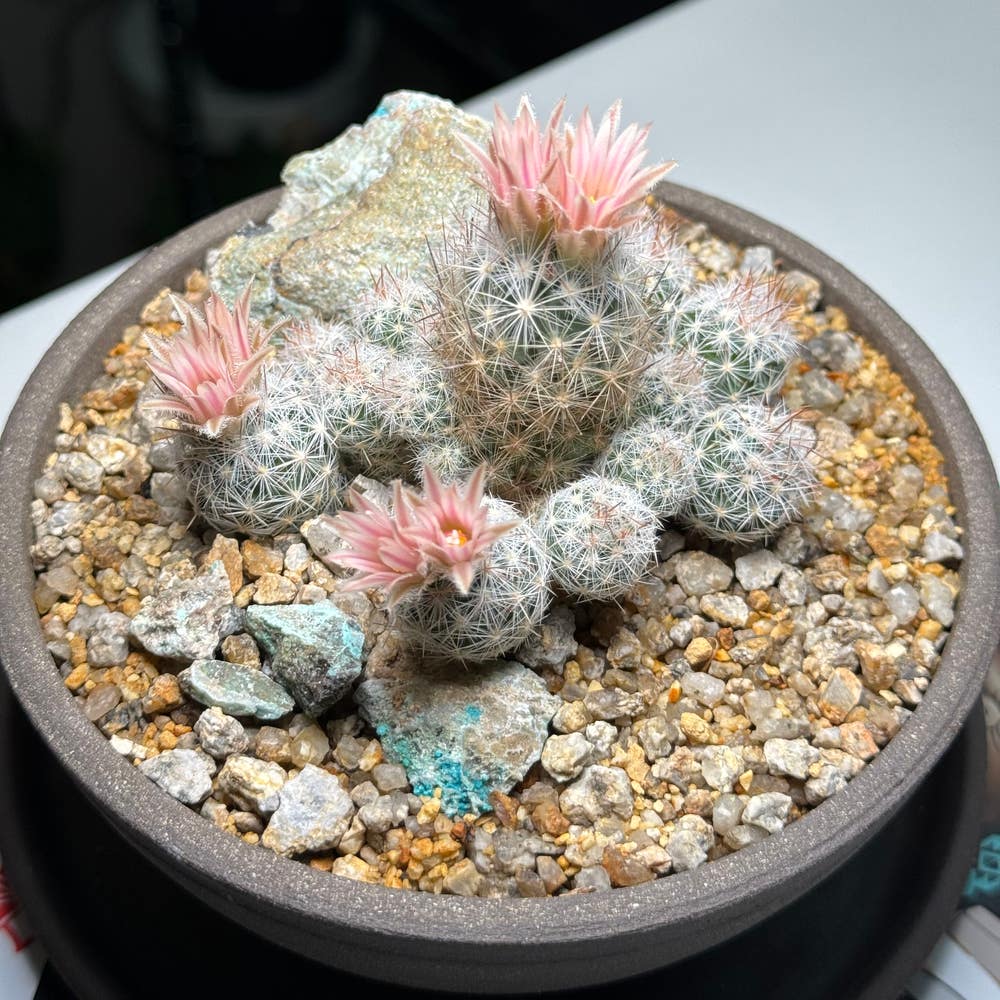
Missouri Foxtail Cactus Fertilizer: How and When to Use It
Escobaria missouriensis
By the Greg Editorial Team
Jun 15, 2024•4 min read
This article was created with the help of AI so we can cover more plants for you. May contain errors. See one? Report it here.
Nurture vibrant Missouri Foxtail blooms 🌵 with perfect fertilizer timing—avoid the overfeed dread!
- 🌵 Choose a low-nitrogen, 5-10-10 fertilizer for health and blooms.
- Fertilize in spring/summer; avoid winter to match growth cycles.
- Dilute and apply carefully to prevent over-fertilization damage.
Choosing and Understanding Fertilizer for Missouri Foxtail Cactus
Selecting the right fertilizer for your Missouri Foxtail Cactus is like picking the perfect coffee blend – it needs to be just right. Aim for a low-nitrogen option; a balanced mix, say a 5-10-10 NPK ratio, is your golden ticket. This ensures your cactus gets more phosphorus for those vibrant blooms and potassium for overall health, without going overboard on the nitrogen.
💐 Balanced Fertilization and Blooms
Proper fertilization is the secret sauce for your cactus's blooming success. It's like a well-timed pep talk – it boosts your plant's confidence to show off its flowers. By using a balanced fertilizer, you're giving your cactus the nutrients it craves to produce those show-stopping blooms. And remember, moderation is key; too much of a good thing can lead to a nutrient overdose.

Fertilization Schedule for Optimal Growth
⏰ Timing is Everything
Spring and summer are your Missouri Foxtail Cactus's best friends when it comes to chowing down on nutrients. This is when you should bring out the balanced fertilizer buffet. Think of it as the cactus's version of brunch; it's not just about the food, it's about the timing.
❄️ Winter is for Resting, Not Feeding
When the chill of winter rolls in, it's time for your cactus to hibernate. No fertilization here, folks. It's like giving an espresso to someone who's trying to sleep—just don't do it.
🌱 Growing Season Guidelines
During the growing season, treat your cactus to a fertilizer feast every 4-6 weeks. It's the plant equivalent of a steady diet of healthy, home-cooked meals. No fast-food binges here; we're talking about consistent, quality nutrition.
💧 Dilution is the Solution
Remember, always dilute your fertilizer. Think of it as watering down a stiff drink—your cactus wants to enjoy the buzz without the burn.
🚫 The Don'ts of Dormancy
When your cactus is dormant, put the fertilizer away. Feeding a dormant cactus is like trying to wake a teenager at noon—pointless and potentially hazardous.

Application Techniques for Missouri Foxtail Cactus
💧 Step-by-Step Fertilizer Application
- Water your cactus before fertilizing to enhance absorption and prevent root burn.
- Mix fertilizer at the recommended dilution rate. Overzealous mixing is a no-no—stick to the script on the label.
- Apply the solution directly to the soil, avoiding the cactus itself. Think precision, not a free-for-all water balloon fight.
- Repeat according to the growth stage of your Missouri Foxtail Cactus. More isn't always better; it's about timing and consistency.
🌱 Dilution Ratios: The Secret Sauce
- Use a balanced, low-nitrogen fertilizer—a 5:10:5 ratio works like a charm.
- Slow-release options can be your best friend, releasing nutrients without overwhelming your cactus.
- Liquid fertilizers are the go-to for a controlled and even distribution. Think of it as a fine mist, not a deluge.
🚱 Avoiding Root Burn: Don't Get Burned
- Under-fertilizing is better than overdoing it. When in doubt, err on the side of caution.
- Observe your cactus post-application. If it looks like it's throwing a tantrum, you might need to dial it back.
- Flush the soil with water if you suspect over-fertilization. It's like hitting the reset button.

Recognizing and Correcting Over-Fertilization
🚨 Symptoms of Over-Fertilization
Yellowing or browning of the cactus tips should wave a red flag; it's classic nutrient burn. If your Missouri Foxtail Cactus is wilting or drooping, it's likely crying out from the chemical imbalance. Stunted growth? That's your cue that the cactus is overwhelmed, unable to soak up water and nutrients properly. Salt buildup in the soil is another telltale sign, like unwanted residue after a bad party. And if pests are suddenly throwing a rave on your cactus, it might be because the over-fertilization weakened its defenses.
🛠️ Remedial Steps to Address Fertilizer Burn or Excess
Caught in the act of over-fertilization? Stop the fertilizer flow immediately. Begin the recovery with a thorough soil flush to wash away the excess salts. Trim away the damaged parts; they're already history. If the soil's crusty with fertilizer, it's time for a topsoil transplant. And remember, patience is key—hold off on the next fertilizer round until the cactus bounces back. It's a bit like a detox; give it time to cleanse and regain strength. If all else fails and the apocalypse seems nigh, sometimes it's best to start afresh, armed with the wisdom of your experience.
⚠️ Safety First
This content is for general information and may contain errors, omissions, or outdated details. It is not medical, veterinary advice, or an endorsement of therapeutic claims.
Always consult a qualified healthcare professional before using any plant as food, medicine, or supplement.
Never eat any plant (or feed one to pets) without confirming its identity with at least two trusted sources.
If you suspect poisoning, call Poison Control (800) 222-1222, the Pet Poison Helpline (800) 213-6680, or your local emergency service immediately.
Spotted an error? Please report it here.
Nurture your Missouri Foxtail Cactus to blooming success 🌵 with Greg's personalized fertilization reminders, ensuring you use the perfect 5-10-10 mix at just the right times!