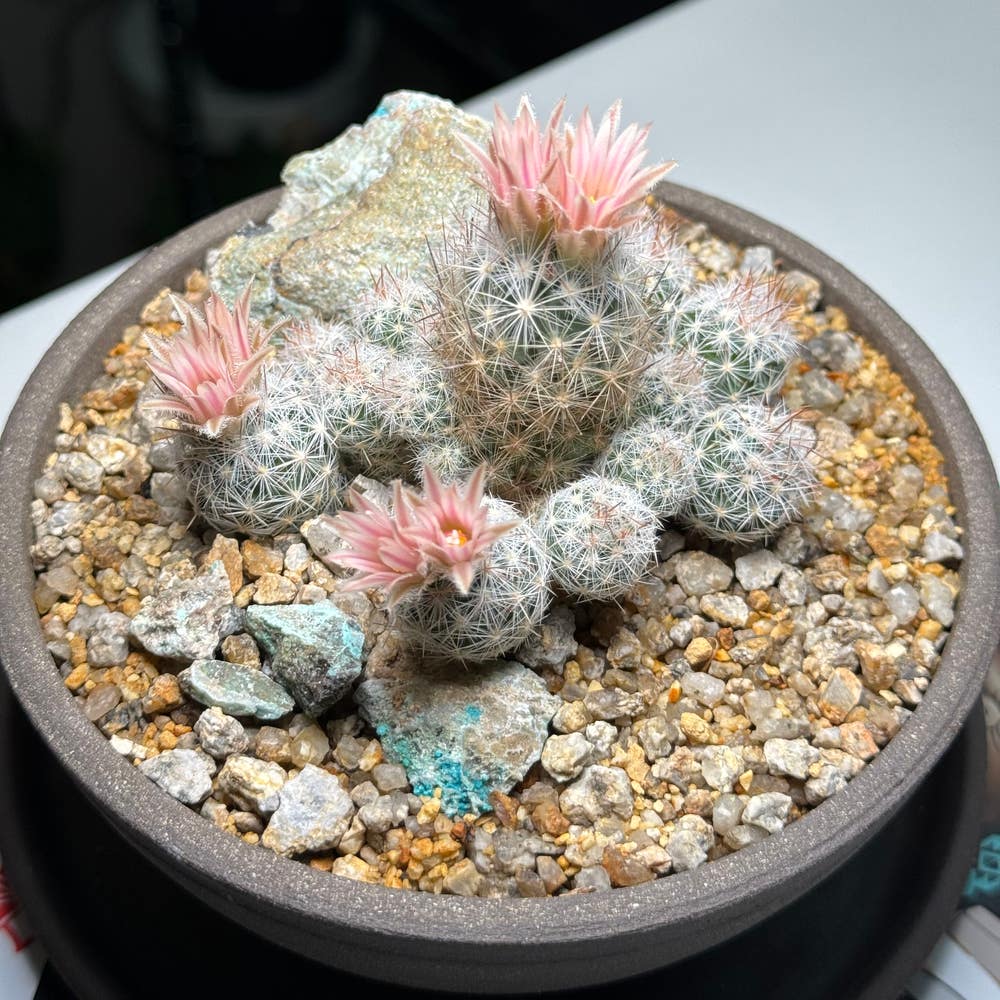
🌵 6 Tips for Growing Missouri Foxtail Cactus
Escobaria missouriensis
By the Greg Editorial Team
Sep 30, 2024•5 min read
This article was created with the help of AI so we can cover more plants for you. May contain errors. See one? Report it here.
Unlock the secrets to a thriving Missouri Foxtail Cactus with these essential care tips! 🌵💧
- 🌞 Bright, indirect sunlight is crucial for indoor Missouri Foxtail Cactus growth.
- 🌱 Well-draining soil and proper pot drainage prevent root rot and promote health.
- 💧 Water every 2-4 weeks, ensuring soil dries out completely between waterings.
Cultivation Techniques
🌍 Choosing the Right Location
Selecting the right location for your Missouri Foxtail Cactus is crucial for its growth.
Indoor vs. Outdoor Considerations
For indoor settings, aim for bright, indirect sunlight. Avoid placing your cactus near drafts or in extreme temperature zones.
Outdoors, your cactus thrives in full sun exposure. Ensure it’s planted in well-drained areas to prevent waterlogging, which can lead to root rot.
🪴 Soil Preparation
The right soil mix can make all the difference in your cactus's health.
Types of Soil
Opt for a well-draining cactus mix or create your own blend using potting soil, sand, and perlite. This combination promotes healthy root development.
Drainage Needs
Always ensure your pots have drainage holes. For added drainage, consider placing a layer of gravel at the bottom of the pot to help excess water escape.
🌱 Planting Techniques
Proper planting techniques set the foundation for a thriving cactus.
Spacing
When planting multiple cacti, allow at least 12 inches between each plant. This spacing promotes air circulation, reducing the risk of disease.
Depth
Plant your cactus at the same depth it was in the nursery container. Avoid burying the stem, as this can lead to rot and other issues.
With these cultivation techniques in place, your Missouri Foxtail Cactus will be well on its way to thriving. Next, let’s dive into the essential aspects of watering and fertilizing to keep your cactus healthy and vibrant.
Watering and Fertilizing
Watering Schedule and Techniques 🌊
Watering your Missouri Foxtail Cactus is crucial for its health. During the growing season, aim to water every 2-4 weeks, ensuring the soil is soaked thoroughly.
Allow the soil to dry out completely between waterings. This prevents root rot and keeps your cactus thriving.
Fertilizing Guidelines 🌱
When it comes to fertilizing, choose a diluted cactus-specific fertilizer or a balanced, low-nitrogen option. This will provide the nutrients your cactus needs without overwhelming it.
Fertilize every 4-6 weeks during the growing season, but remember to pause in winter. Your cactus will appreciate the break during its dormancy.
With proper watering and fertilizing, your Missouri Foxtail Cactus will flourish. Next, let’s explore ongoing care techniques to keep your cactus in top shape.
Ongoing Care
🌿 Pruning Techniques
Pruning your Missouri Foxtail Cactus is essential for its health. Aim to prune in late spring or early summer, right after the last frost.
Remove any dead or damaged stems to encourage new growth. Always use clean, sharp tools to prevent infection and ensure a smooth cut.
☀️ Seasonal Care Considerations
During winter dormancy, it's crucial to adjust your care routine. Reduce watering and stop fertilizing, keeping your cactus in a cool, dry place.
As summer rolls in, increase your watering frequency to match the rising temperatures. Keep an eye out for pests, as they can become more active in warmer weather.
By following these ongoing care tips, you'll help your Missouri Foxtail Cactus thrive through the seasons. Next, let’s explore common challenges and solutions to keep your cactus healthy and vibrant.
Common Challenges and Solutions
🐞 Identifying and Managing Pests
Missouri Foxtail Cactus can attract pests like mealybugs, spider mites, and scale insects. Regular inspections are crucial; catching these pests early can save your plant from serious damage.
To manage infestations, consider using insecticidal soap or neem oil. These treatments are effective and safe for your cactus, ensuring it remains healthy and thriving.
🦠 Addressing Diseases
Watch for symptoms such as yellowing stems, mushy textures, or stunted growth. These signs often indicate underlying issues that need immediate attention.
If you notice any of these symptoms, remove the affected areas promptly. Improving air circulation and adjusting your watering habits can also help prevent further issues.
🌡️ Overcoming Environmental Challenges
Temperature fluctuations can be detrimental to your cactus. Protect it from frost by bringing it indoors during cold snaps, ensuring it stays safe and warm.
Humidity is another factor to consider. Keep humidity levels low and avoid misting your cactus to prevent rot, which can be a common issue in overly damp conditions.
By staying vigilant and proactive, you can tackle these challenges head-on, ensuring your Missouri Foxtail Cactus remains healthy and vibrant. Next, let’s explore the differences between container and outdoor growing for your cactus.
Container vs. Outdoor Growing
🌱 Benefits of Container Gardening
Container gardening offers remarkable mobility. You can easily move your Missouri Foxtail Cactus indoors during cold weather, protecting it from frost.
Additionally, growing in containers allows for better control over soil quality and drainage. This is crucial for the health of your cactus, as it thrives in well-draining conditions.
☀️ Tips for Successful Outdoor Cultivation
When cultivating outdoors, choose a sunny, well-drained location. This ensures your cactus receives the full sun it craves while preventing waterlogging.
It's also wise to monitor for excessive moisture. Using mulch can help retain soil moisture while keeping pesky weeds at bay.
🪴 Considerations for Pot Selection and Drainage
Selecting the right pot material is essential. Terracotta or ceramic pots are ideal due to their breathability, which helps prevent root rot.
Make sure your pots have adequate drainage holes. Adding a layer of gravel at the bottom can further enhance drainage, ensuring your cactus thrives.
Transitioning between container and outdoor growing can be seamless with the right strategies. Next, let’s explore ongoing care techniques to keep your cactus healthy and vibrant.
⚠️ Safety First
This content is for general information and may contain errors, omissions, or outdated details. It is not medical, veterinary advice, or an endorsement of therapeutic claims.
Always consult a qualified healthcare professional before using any plant as food, medicine, or supplement.
Never eat any plant (or feed one to pets) without confirming its identity with at least two trusted sources.
If you suspect poisoning, call Poison Control (800) 222-1222, the Pet Poison Helpline (800) 213-6680, or your local emergency service immediately.
Spotted an error? Please report it here.
Cultivating a Missouri Foxtail Cactus is easy and rewarding 🌵 when you let Greg provide tailored care tips and watering reminders to help your plant thrive!