🌵 3 Easy Ways to Pollinate Missouri Foxtail Cactus
Escobaria missouriensis
By the Greg Editorial Team
Sep 30, 2024•6 min read
This article was created with the help of AI so we can cover more plants for you. May contain errors. See one? Report it here.
Boost your Missouri Foxtail Cactus blooms 🌸 while creating a haven for essential pollinators in your garden!
- 🌼 Missouri Foxtail Cactus blooms attract bees, butterflies, and hummingbirds for pollination.
- 🤝 Hand pollination enhances reproduction and genetic diversity in cacti.
- 🌱 Creating a pollinator-friendly garden boosts pollination success and ecosystem health.
Flower Structure
Description of Flower Characteristics 🌸
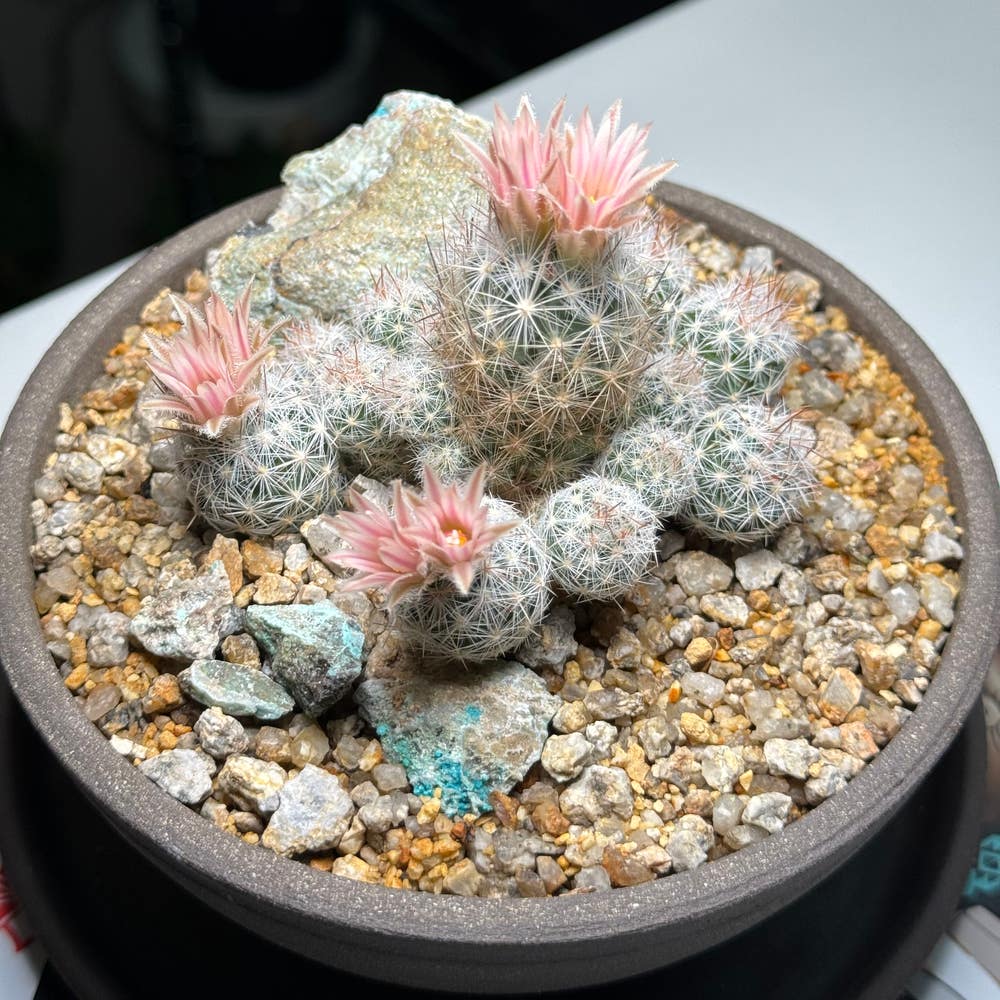
Missouri Foxtail Cactus boasts stunning funnel-shaped flowers that bloom during the day. Their vibrant colors, typically bright pink or yellow, are designed to attract specific pollinator species.
The flowers are arranged in clusters, making them highly visible to potential pollinators. This strategic arrangement enhances the chances of successful pollination.
Role of Flower Structure in Facilitating Pollination 🐝
The flower's structure includes unique adaptations that promote self-pollination. The close proximity of stamens and pistils allows for easy transfer of pollen, while the sticky stigma effectively captures pollen.
In addition to self-pollination, the bright colors and delightful fragrance of the flowers serve as signals to attract cross-pollinators. These features are essential for ensuring genetic diversity and successful reproduction.
With a solid understanding of the flower structure, we can now explore the fascinating pollination process that follows.
Pollination Process
Self-Pollination Process and Benefits 🌱
Self-pollination in Missouri Foxtail Cactus occurs when pollen from the anthers falls directly onto the stigma of the same flower. This mechanism ensures that the cactus can reproduce even when pollinators are absent, making it a reliable survival strategy.
The benefits of self-pollination extend beyond mere reproduction. It helps maintain genetic traits that are well-suited to local environmental conditions, ensuring the plant thrives in its specific habitat.
Cross-Pollination Process and Primary Pollinators 🐝
Cross-pollination introduces genetic diversity, which is crucial for the health of the species. The primary pollinators of the Missouri Foxtail Cactus include bees, butterflies, moths, and hummingbirds.
- Bees are particularly attracted to the vibrant colors and sweet scents of the flowers, facilitating effective pollen transfer.
- Butterflies and moths are drawn in by the nectar, playing a vital role in cross-pollination.
- Hummingbirds also contribute by visiting for nectar, inadvertently spreading pollen between flowers.
These pollinators interact with the cactus by collecting nectar while transferring pollen, enhancing the plant's reproductive success. Their activity not only aids in fertilization but also supports the overall ecosystem by promoting biodiversity.
With a solid understanding of the pollination processes, we can now explore how to support these vital pollinators in their natural habitats.
Natural Pollination
🌬️ Mechanisms of Pollen Transfer
Natural pollination primarily relies on wind and insect activity. Wind can carry pollen from one flower to another, but insects play a crucial role in ensuring effective pollen transfer.
Environmental factors like temperature and humidity significantly influence pollination success. Ideal conditions encourage pollinator activity, while extremes can deter them, impacting the overall process.
🌼 Importance of Pollination for Reproduction and Genetic Diversity
Successful pollination is vital for fruit and seed development. Without it, the reproductive cycle of the Missouri Foxtail Cactus would be incomplete.
Cross-pollination enhances genetic diversity, which is essential for resilience and adaptability. A diverse gene pool helps plants thrive in changing environments, ensuring their survival for generations to come.
Understanding these natural processes highlights the importance of protecting pollinators and their habitats. As we move forward, let’s explore how we can support these essential creatures in our gardens.
Hand Pollination ((difficulty:moderate))
Step-by-Step Instructions for Hand Pollinating 🌼
Hand pollination can be a rewarding process, ensuring your Missouri Foxtail Cactus thrives. Follow these straightforward steps to get started.
Identify Male and Female Flower Parts 🔍
First, familiarize yourself with the flower's anatomy. The male parts, known as anthers, produce pollen, while the female part, the stigma, is where pollen needs to land.
Collecting Pollen 🧪
Next, it's time to gather that precious pollen. Gently tap or brush the anthers with a clean tool, like a small brush or cotton swab, to collect the pollen without damaging the flower.
Transferring Pollen 🔄
Now, transfer the collected pollen to the stigma. Carefully apply it to the same flower or another flower to encourage cross-pollination, enhancing genetic diversity.
Timing ⏰
Timing is crucial for successful hand pollination. Aim to perform this task in the morning when the flowers are fully open, maximizing the chances of effective pollen transfer.
By following these steps, you can actively contribute to the reproduction of your Missouri Foxtail Cactus. This hands-on approach not only aids in pollination but also deepens your connection with these unique plants.
Next, let’s explore how to create a pollinator-friendly environment to support these vital creatures.
Supporting Pollinators
🌼 Creating a Pollinator-Friendly Environment
To support pollinators, start by planting native flowering species that bloom at various times throughout the year. This diversity ensures that there’s always something in bloom, attracting a range of pollinators.
Additionally, providing water sources and shelter is crucial. Simple features like birdbaths or small ponds can make a big difference. Dense shrubs or small trees offer essential refuge for pollinators, helping them thrive in your garden.
🌿 Companion Plants that Attract Beneficial Pollinators
Choosing the right companion plants can significantly enhance your garden's appeal to pollinators. Here are some excellent options:
Lavender: This fragrant herb attracts bees and butterflies, making it a favorite among pollinators.
Coneflower: Known for its vibrant petals, coneflower provides nectar for various species, ensuring a steady flow of pollinator activity.
Milkweed: Essential for monarch butterflies, milkweed not only supports these beautiful insects but also adds a unique touch to your garden.
By incorporating these plants, you create a vibrant ecosystem that encourages pollination and supports local wildlife.
As you cultivate this pollinator-friendly environment, you’ll not only enhance your garden but also contribute to the health of the ecosystem. Next, let’s explore the challenges pollinators face and how we can help overcome them.
Pollination Challenges
Common Obstacles to Successful Pollination 🌪️
Pollination can be tricky, especially when environmental factors come into play. Extreme temperatures and low humidity often deter pollinator activity, making it harder for plants like the Missouri Foxtail Cactus to reproduce.
Urban settings can further complicate matters. The lack of native pollinators in these areas means fewer opportunities for cross-pollination, which is essential for genetic diversity.
Solutions for Overcoming Environmental Challenges 🌱
Fortunately, there are effective strategies to enhance pollination success. Creating microclimates with shade and moisture can provide a more inviting environment for pollinators.
Additionally, introducing native plants can attract local pollinator species, boosting the chances of successful pollination.
For those looking to optimize their efforts, consider using the Greg plant care app. It offers reminders on the best times and conditions for pollination, ensuring you’re always one step ahead.
By addressing these challenges, you can foster a thriving ecosystem that supports not just the Missouri Foxtail Cactus but a variety of plants and pollinators.
As we move forward, let’s explore how to support these vital pollinators in our gardens.
⚠️ Safety First
This content is for general information and may contain errors, omissions, or outdated details. It is not medical, veterinary advice, or an endorsement of therapeutic claims.
Always consult a qualified healthcare professional before using any plant as food, medicine, or supplement.
Never eat any plant (or feed one to pets) without confirming its identity with at least two trusted sources.
If you suspect poisoning, call Poison Control (800) 222-1222, the Pet Poison Helpline (800) 213-6680, or your local emergency service immediately.
Spotted an error? Please report it here.
Pollinating your Missouri Foxtail Cactus is thrilling 🌼, and with Greg's personalized tips and reminders, you can create the perfect haven for your cactus and its buzzing friends!