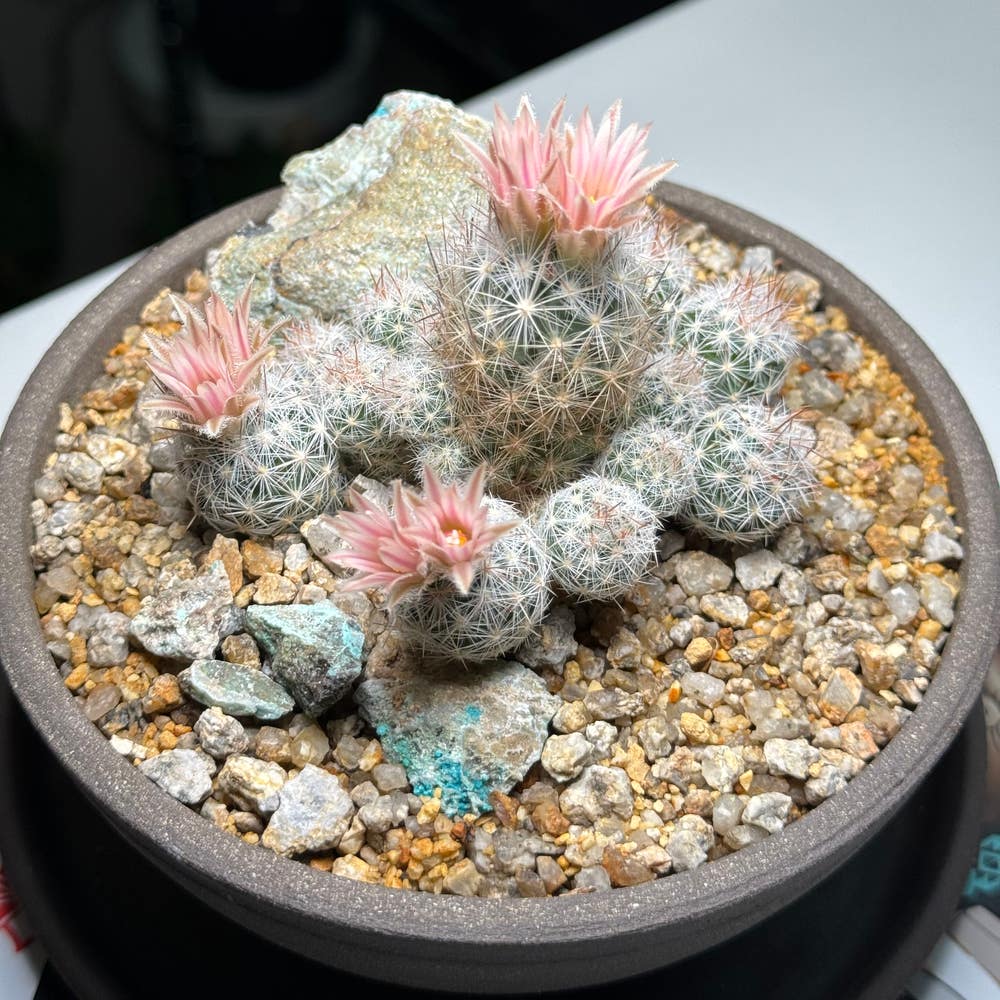
🌵 Propagating Missouri Foxtail Cactus: Step-by-Step Guide
Escobaria missouriensis
By the Greg Editorial Team
Jun 15, 2024•8 min read
This article was created with the help of AI so we can cover more plants for you. May contain errors. See one? Report it here.
Propagate your Missouri Foxtail Cactus 🌵 effortlessly with this comprehensive step-by-step guide.
- Stem cuttings, offsets, or seeds—choose your propagation method.
- Patience is essential—2 weeks to several months for growth.
- Post-care is crucial—transition to regular routines for success.
Propagation from Stem Cuttings
🌵 Selecting Your Cutting
Choose a robust stem from your Missouri Foxtail Cactus; look for vibrant color and firm texture. Ensure it's free from pests or diseases—health is key.
✂️ Preparing the Cutting
Using disinfected shears, snip below a node, about 0.5 cm from the base. Strip the lower section of any leaves or flowers to prevent rot.
🌱 Callusing the Cutting
Allow the cutting to callus by placing it in a shaded, dry area for a few days. This step is crucial—it prevents infection and aids in root development.
🏜️ Planting the Cutting
Once callused, plant the cutting in a well-draining cactus mix. Ensure the soil is moist but not soggy to kick-start root growth.
🌞 Ideal Conditions
Provide your new cutting with bright, indirect light and avoid overwatering. Patience is your friend here; roots take time to establish.
🌿 Monitoring and Care
Keep an eye on moisture levels—too much is worse than too little. In a few weeks, you'll witness the magic of growth, a true testament to your green thumb.

Propagation from Offsets
🌱 Identifying and Separating Offsets
Offsets, or "pups," are your ticket to new plants without the fuss of seeds or cuttings. Look for these mini-me's hugging the base of the parent Missouri Foxtail Cactus. Size matters here; bigger offsets have a head start with pre-developed roots. Separate them gently—think of it as untangling headphones, not yanking them apart.
🏺 Potting Offsets
Once liberated, let your offsets dry in a shaded area for a day to prevent any rot drama. Pot them in a mix that drains faster than a smartphone battery, like coarse sand or a succulent mix. Depth is key—just a shallow hole to nestle them in, like tucking in a baby.
🌍 Ideal Conditions for Root Development
Offsets are like teenagers; they need the right environment to thrive. Aim for a Goldilocks zone: not too hot, not too cold. A greenhouse is the plant equivalent of a private school, but a spot with morning sun and afternoon shade will do just fine. Watch the thermometer—anything over 32°C (89.6°F) and you're in the danger zone for plant sunburn.
💧 Watering Your Offsets
Contrary to the cactus stereotype, these pups do need a drink. Don't drown them, but a consistent watering schedule keeps them from turning into plant jerky. Remember, they're still finding their roots, so keep the soil moist but not soggy.
🕰 Timing is Everything
Timing your propagation with the growing season is like catching a wave; do it right, and you'll ride the momentum. Off-season efforts might not crash and burn, but they'll certainly test your patience.

Propagation from Seeds
🌱 Overview of Seed Propagation
Seed propagation is akin to playing the long game. It's a test of patience but can be deeply rewarding. You're essentially playing Mother Nature, coaxing life from a dormant embryo. Begin with high-quality seeds; their viability is non-negotiable. Remember, not all seeds are created equal. Some may carry the robust genetics of their parents, while others might just be duds.
🌾 Seed Collection and Preparation
Harvesting seeds from a Missouri Foxtail Cactus? Good luck. These seeds are as rare as a polite political debate. If you do get your hands on them, treat them like gold dust. Clean and dry them thoroughly before storing in a cool, dark place. Some seeds may need a period of stratification—think of it as a cold nap—to break dormancy and improve germination rates.
🌱 Sowing the Seeds
When spring unfurls its green fingers, it's time to sow. Plant in well-draining soil; these seeds despise waterlogged conditions as much as cats despise water. For tiny seeds, mix with sand to avoid clumping and ensure even distribution. Cover larger seeds with a sprinkle of soil, just enough to tuck them in, not bury them alive.
🌿 Creating Optimal Conditions
After sowing, it's all about creating a cozy greenhouse vibe. Cover the pot with clear plastic or glass to trap humidity and warmth, like a botanical sauna. Keep the soil consistently moist—think damp sponge, not a soaked towel. Overwatering is the fast track to seedling demise.
🌱 Germination and Beyond
Patience is key. Germination can be as unpredictable as a teenager's mood. Once the seedlings muster the courage to peek above the soil, it's time to introduce them to the real world. Gradually acclimate them to outdoor conditions, a process known as hardening off. It's like prepping kids for their first day of school, but with less crying.
🌱 Transplanting Seedlings
When seedlings have a couple of true leaves, they're ready to move out. Handle them by the leaves, not the stems; they're as fragile as a house of cards. Transplant into individual pots with the same care you'd use to handle a rare vinyl record. Now, watch them grow, and give yourself a pat on the back. You've just propagated life.

Monitoring Propagation Progress
In the realm of propagation, patience isn't just a virtue; it's a necessity. Here's what to watch for as your Missouri Foxtail Cactus embarks on its growth journey.
🌱 Stem Cuttings
Expect a waiting game of about 2-4 weeks before witnessing any signs of life in stem cuttings. Initially, the cutting should be callused over, a process taking roughly a week. Post-callusing, roots may start to peek out from the base of the cutting. Milestone alert: when you see new growth at the tip, it's a high-five moment.
👶 Offsets
Offsets are the babies of the cactus world. After separation, these little guys should be rooted within 3-6 weeks. The key indicator of success is new, miniature pads sprouting. If you notice this, congrats, you're on the right track!
🌱 Seeds
Germinating seeds is like watching paint dry, but more rewarding. It can take anywhere from 2 weeks to several months. Sprouts are the first sign of victory, followed by the development of tiny spines. These are the cactus's way of saying, "I've got this."
🩺 Health Assessment
Keep a sharp eye out for discoloration or mushiness, which could spell trouble. Healthy cacti should be firm and maintain a consistent color. If you're seeing anything off, it's time to troubleshoot—stat.
Remember, these timelines are more like guidelines. Nature doesn't wear a watch.
Post-Propagation Care
After your Missouri Foxtail Cactus has successfully propagated, it's crucial to provide the right care to ensure its continued growth and health.
🌱 Transitioning to Standard Care
Once your cacti have taken root, it's time to transition them to a more regular care routine.
- Light: Position your cacti in a spot with bright, indirect light. Direct sunlight can be a bit too intense for young plants still finding their footing.
- Watering: Resist the urge to drown your new plants in affection, aka water. Wait a week before the first watering to allow any damaged roots to heal. After that, water sparingly, only when the soil is completely dry.
- Soil: Stick to well-draining soil. Your cacti aren't fans of wet feet, so make sure their pots have good drainage holes.
🌵 Long-Term Growth and Care
As your cacti mature, they'll need a bit more attention to thrive.
- Feeding: Be a good plant parent and feed your cacti with a balanced fertilizer during their growing season, but don't go overboard. Overfeeding can do more harm than good.
- Repotting: When your cacti start to outgrow their pots, it's time for a new home. Water them first, let them drain, and then repot to minimize stress.
- Pest Control: Keep an eye out for uninvited guests. Pests can crash the party, especially when your plants are vulnerable post-propagation.
Remember, patience is key. Your cacti won't grow overnight, but with the right care, they'll be worth the wait.
Troubleshooting Propagation Issues
🌱 Stem Cutting Snafus
Rot rears its ugly head when moisture overstays its welcome. If your Missouri Foxtail Cactus cutting turns mushy, it's a cry for drier conditions. Trim the affected part, let the cutting callus over again, and replant in well-draining soil.
🌿 Offset Obstacles
Offsets should be the easy wins of propagation, but sometimes they just won't root. Patience is key. Ensure they're not sitting in soggy soil and give them time. If they're stubborn, a dip in rooting hormone might give them the nudge they need.
🌱 Seed Sowing Setbacks
Germination can be as unpredictable as a cat's mood. If seeds don't sprout, check the expiration date—yes, seeds have those. Fresh seeds increase your odds. Also, make sure they're cozy in a warm, bright spot, but not baking under the midday sun.
🌱 General Growth Gripes
New plants looking more down than a teenager asked to do chores? Light and water are the usual suspects. Too much love in the form of water can drown the roots, while too little light can stunt growth. Balance is the secret sauce.
🐛 Pests and Problems
Bugs love your cacti as much as you do, but their love is destructive. If you spot freeloaders, isolate the plant and treat it with insecticidal soap. As for diseases, prevention is better than cure—keep your tools clean and your plants stress-free.
Remember, propagation is part art, part science, and all about trial and error. Keep experimenting, and don't let setbacks turn you into a cactus—prickly and unapproachable.
⚠️ Safety First
This content is for general information and may contain errors, omissions, or outdated details. It is not medical, veterinary advice, or an endorsement of therapeutic claims.
Always consult a qualified healthcare professional before using any plant as food, medicine, or supplement.
Never eat any plant (or feed one to pets) without confirming its identity with at least two trusted sources.
If you suspect poisoning, call Poison Control (800) 222-1222, the Pet Poison Helpline (800) 213-6680, or your local emergency service immediately.
Spotted an error? Please report it here.
Propagate your Missouri Foxtail Cactus with confidence, and count on Greg 🌵 for tailored reminders and care tips to nurture your new succulent offspring to perfection!