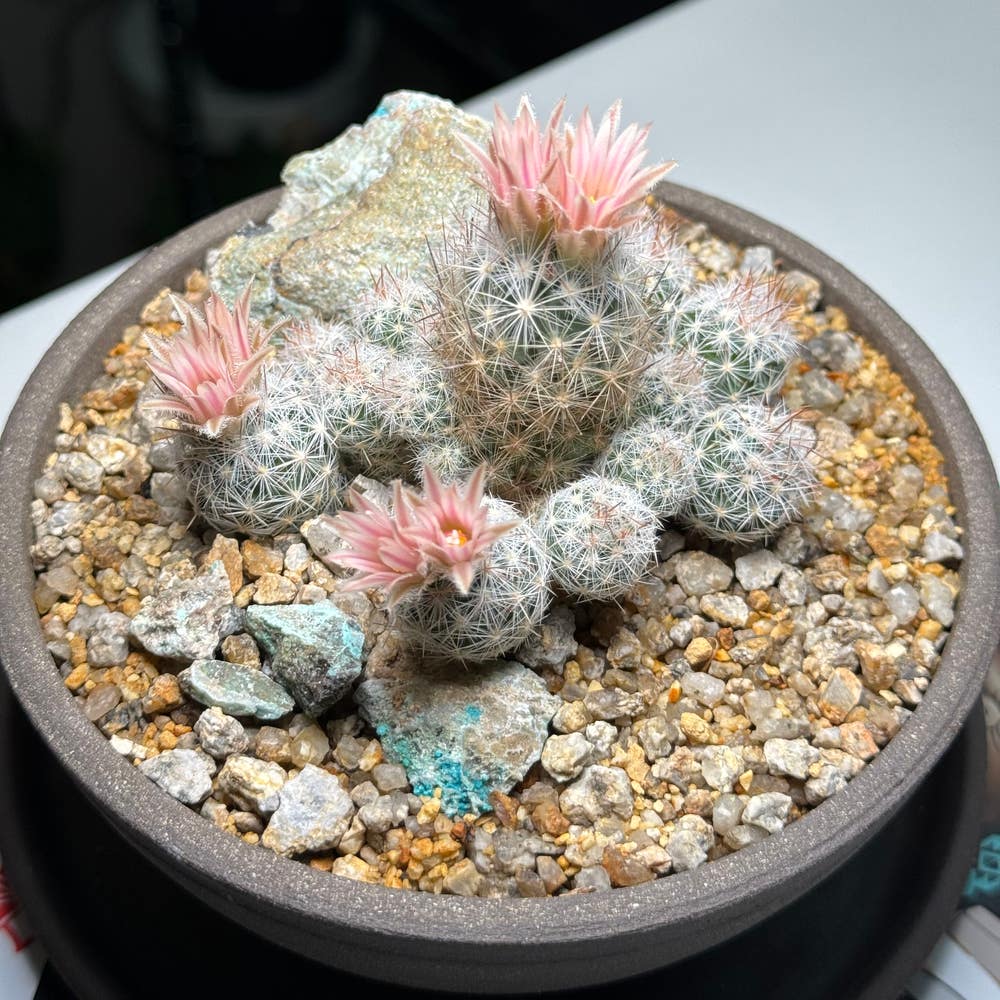
🌵 Step-by-Step Guide for How to Plant Missouri Foxtail Cactus
Escobaria missouriensis
By the Greg Editorial Team
Sep 30, 2024•5 min read
This article was created with the help of AI so we can cover more plants for you. May contain errors. See one? Report it here.
Unlock a thriving garden 🌵 by mastering the essential planting techniques for Missouri Foxtail Cactus!
- 🌵 Proper planting techniques ensure healthy growth of Missouri Foxtail Cactus.
- ☀️ Plant in spring or early summer for optimal conditions and growth.
- 🧤 Use gloves and well-draining soil to protect and support your cactus.
Importance of Proper Planting Techniques
Planting techniques are crucial for the Missouri Foxtail Cactus. They ensure healthy growth and longevity, setting the stage for a thriving plant.
Proper methods also reduce the risk of diseases and pests. A well-planted cactus is less likely to face these common issues, allowing it to flourish.
🌱 Enhancing Adaptability
Using the right techniques enhances the cactus's adaptability to local growing conditions. This means your plant can better withstand environmental changes and thrive in its new home.
Investing time in proper planting pays off in the long run. Healthy plants not only look great but also contribute positively to your garden's ecosystem.
🏁 Conclusion
In summary, mastering proper planting techniques is essential for the success of your Missouri Foxtail Cactus. With a solid foundation, your cactus will be well-equipped to grow strong and resilient, paving the way for the next steps in your planting journey.
Planting New Missouri Foxtail Cactus
🌱 Benefits of Planting New vs. Transplanting Established Plants
Planting new Missouri Foxtail cacti is often more cost-effective and allows for customization in terms of variety and size. However, it does take longer to reach maturity compared to transplanting established plants, which can provide immediate visual impact and quicker establishment in your garden.
⏰ Optimal Timing for Planting
The best time to plant new cacti is during spring or early summer when temperatures are consistently warm. Always consider your local climate and the cactus's growth cycle to ensure optimal conditions.
🪴 Selecting the Right Soil Mix and Containers
For a successful planting, use a well-draining cactus soil or a mix of sand, perlite, and potting soil. When choosing containers, opt for pots with drainage holes, ensuring they are large enough to accommodate root growth.
📏 Proper Depth and Spacing for Planting
When planting, ensure the top of the root ball is level with the soil surface. Maintain a minimum spacing of 12-18 inches between plants to allow for adequate growth and airflow.
☀️ Maintaining Ideal Growing Conditions
Missouri Foxtail cacti thrive in full sun, requiring 6-8 hours of sunlight daily. They prefer warm temperatures, so protect them from frost and allow the soil to dry out between waterings to avoid overwatering.
🌞 Hardening Off Process Before Outdoor Planting
Before planting outdoors, gradually expose your cacti to outdoor conditions. Start with a few hours of sunlight, increasing the exposure daily over a week, and keep an eye out for any signs of stress or sunburn.
Transitioning to the next section, understanding how to transplant established Missouri Foxtail cacti will further enhance your gardening skills and ensure a thriving landscape.
Transplanting Established Missouri Foxtail Cactus
🌱 Optimal Timing for Transplanting
Transplanting your Missouri Foxtail Cactus is best done in early spring or fall. During these seasons, temperatures are mild, which helps minimize stress on the plant.
🛠️ Step-by-Step Instructions for Transplanting
Prepare the New Planting Site: Ensure the area has well-draining soil and receives adequate sunlight.
Water the Cactus: Water the cactus a day before transplanting to ease its removal.
Carefully Remove the Cactus:
- Use gloves to protect your hands from spines.
- Gently loosen the soil around the roots to avoid damage.
Place the Cactus in the New Site:
- Ensure it is upright and at the correct depth.
- Backfill with soil, firming gently around the base to secure it.
📏 Space Requirements for Established Plants
When transplanting, maintain a minimum spacing of 12-18 inches between plants. This allows for adequate growth and airflow, which is crucial for their health.
💧 Watering, Mulching, and Support Tips
Watering: After transplanting, water thoroughly, then allow the soil to dry out before the next watering.
Mulching: Use gravel or coarse sand around the base to retain moisture and suppress weeds.
Support Methods: If necessary, use stakes to provide stability during the establishment phase.
Transplanting can be a rewarding experience, ensuring your cactus thrives in its new environment. With the right timing and care, your Missouri Foxtail Cactus will flourish beautifully. Next, let’s explore how to troubleshoot common issues that may arise during this process.
Troubleshooting Common Issues
🌱 Identifying Transplant Shock
Transplant shock can be a real concern for your Missouri Foxtail Cactus. Look out for symptoms like wilting, yellowing leaves, or stunted growth, which indicate that your cactus is struggling.
The primary causes of transplant shock are stress from root disturbance or sudden environmental changes. Understanding these signs early can help you take action before the situation worsens.
🛠️ Solutions for Establishment Problems
If you notice your cactus showing signs of distress, adjusting your watering techniques is crucial. Ensure the soil maintains proper moisture levels without becoming waterlogged.
Additionally, keep a close eye on pests and diseases. Early intervention is key to preventing further complications.
🌵 General Care Tips for Newly Planted or Transplanted Cacti
Regularly check soil moisture levels to ensure your cactus is thriving. This simple practice can make a significant difference in its health.
Your cactus also needs adequate sunlight and protection from extreme weather conditions. Consider using shade cloth during particularly hot spells.
Lastly, fertilization can give your cactus a boost. Use a diluted cactus fertilizer about a month after planting to support its growth.
By following these tips, you can help your Missouri Foxtail Cactus establish itself and flourish in its new home. Now, let’s dive into the next section about transplanting established plants!
⚠️ Safety First
This content is for general information and may contain errors, omissions, or outdated details. It is not medical, veterinary advice, or an endorsement of therapeutic claims.
Always consult a qualified healthcare professional before using any plant as food, medicine, or supplement.
Never eat any plant (or feed one to pets) without confirming its identity with at least two trusted sources.
If you suspect poisoning, call Poison Control (800) 222-1222, the Pet Poison Helpline (800) 213-6680, or your local emergency service immediately.
Spotted an error? Please report it here.
Plant your Missouri Foxtail Cactus like a pro 🌵 with Greg's tailored care reminders and expert tips to ensure it thrives in its new home!