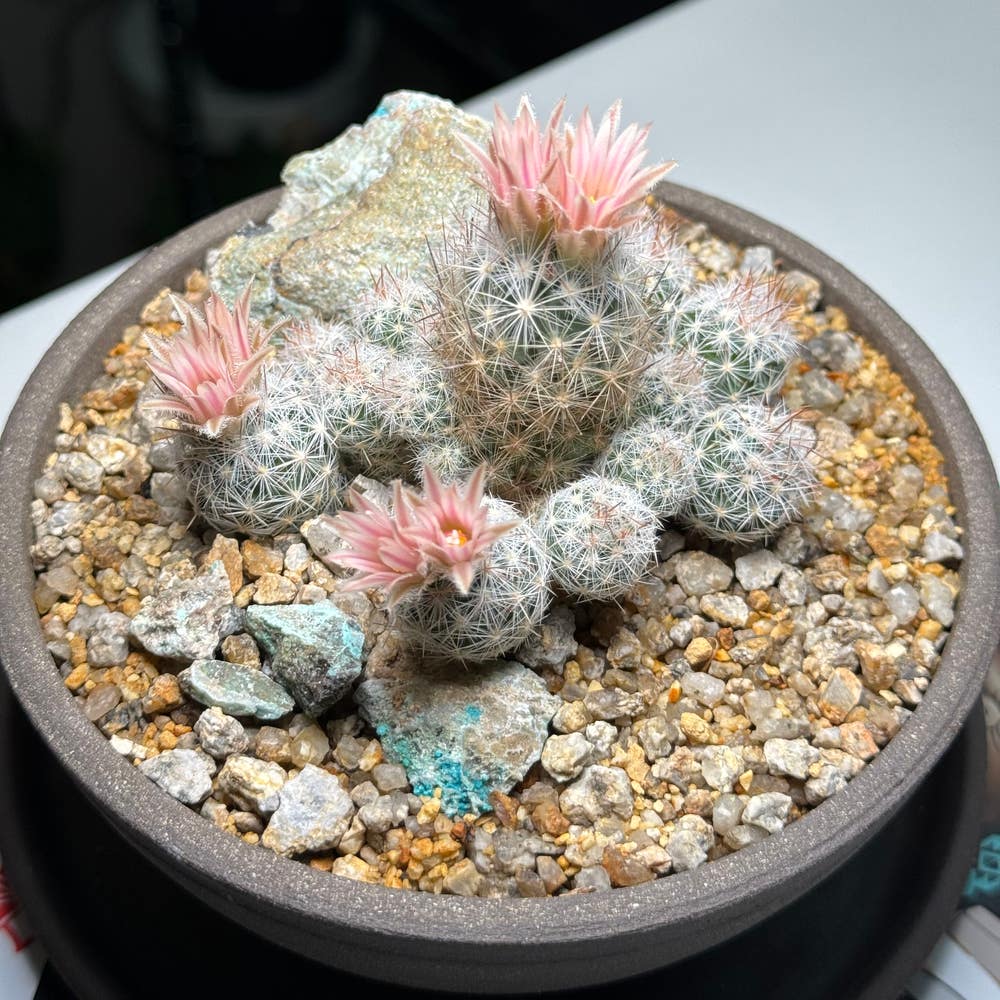
🌵 Ultimate Guide to Missouri Foxtail Cactus Roots
Escobaria missouriensis
By the Greg Editorial Team
Sep 30, 2024•6 min read
This article was created with the help of AI so we can cover more plants for you. May contain errors. See one? Report it here.
Master root care for your Missouri Foxtail Cactus 🌵 and watch it thrive in any environment!
- 🌵 Missouri Foxtail Cactus roots can reach depths of three feet for moisture access.
- 💧 Proper watering and well-draining soil prevent root rot and promote healthy growth.
- 🌱 Healthy roots are crucial for propagation and overall plant vitality.
Root System Type
🌱 Taproot Characteristics
A taproot system is characterized by a single, dominant root that grows deep into the soil. This structure allows the Missouri Foxtail Cactus to penetrate the ground significantly, often reaching depths of up to three feet.
These deep roots are essential for accessing moisture in arid environments. Additionally, they store water, which enhances the cactus's ability to withstand drought conditions, making it a resilient survivor in tough climates.
🔍 Comparison to Other Root Types
When comparing taproots to fibrous root systems, the differences are striking. While fibrous roots spread out horizontally and create a dense network near the surface, taproots delve deep, anchoring the plant firmly and accessing deeper moisture.
In arid environments, the advantages of a taproot system are clear. It not only provides stability but also ensures that the plant can thrive even when surface water is scarce, making it a vital adaptation for survival.
Understanding these root characteristics is crucial for anyone looking to cultivate a healthy Missouri Foxtail Cactus. With this knowledge, you can better appreciate how to care for these unique plants and prepare for the next section on root depth and spread.
Root Depth and Spread
Typical Root Depth 🌱
The Missouri Foxtail Cactus typically boasts a root depth of up to 3 feet (0.9 meters) under optimal conditions. However, this depth can vary significantly based on soil type and moisture availability.
Root Spread Patterns 🌍
In terms of spread, these cacti usually extend their roots 1-2 feet (0.3-0.6 meters) from their base. The surrounding soil conditions play a crucial role in determining how far the roots will reach.
Growth Patterns 📈
Seasonal variations greatly influence root growth. Environmental factors, such as temperature and rainfall, can either stimulate or hinder root development, affecting the plant's overall health.
Understanding these aspects of root depth and spread is essential for effective care. As we delve deeper into care practices, you'll discover how to nurture your Missouri Foxtail Cactus for optimal growth.
Care Practices
Watering Practices 💧
Understanding the root depth of your Missouri Foxtail Cactus is crucial for effective watering. These cacti thrive when you allow the soil to dry out between waterings, promoting healthy root development.
Fertilization Techniques 🌱
Fertilizing your cactus roots properly can make a significant difference in growth. Use diluted, balanced fertilizers during the growing season, ideally from early spring to late summer, to provide essential nutrients.
Transplanting Considerations 🌼
Transplanting can be a delicate process for Missouri Foxtail Cactus. Aim to do this in early spring or fall, and employ techniques that minimize root disturbance to ensure a smooth transition to a new pot.
By following these care practices, you can help your Missouri Foxtail Cactus thrive and flourish. Next, let’s explore common root-related issues that may arise and how to address them effectively.
Common Root-Related Issues
Identification of Root Problems 🌱
Missouri Foxtail Cactus can face several root-related issues, including root rot, pests, and nutrient deficiencies. Signs of unhealthy roots often manifest as wilting, yellowing leaves, or stunted growth, indicating that your cactus may need immediate attention.
Prevention Tips 🚫
To maintain healthy roots, proper watering techniques are crucial. Avoid overwatering by allowing the soil to dry out between waterings, and choose well-draining substrates to promote optimal root health.
Solutions for Unhealthy Roots 🛠️
If you suspect root rot, act quickly by removing affected roots and repotting the cactus in fresh soil. For pest management, regularly inspect the roots and apply appropriate treatments to combat any infestations.
Understanding these common root issues and their solutions can help ensure your Missouri Foxtail Cactus thrives. Next, we’ll explore how to identify indicators of root health, which is essential for your plant's overall vitality.
Indicators of Root Health
🌱 Visual Cues for Healthy Roots
Healthy roots are a gardener's delight. They should feel firm to the touch, exhibit a bright white color, and have minimal odor.
🚫 Signs of Unhealthy Roots
On the flip side, unhealthy roots can spell trouble. Look for dark, mushy roots and a foul smell, which indicate decay.
These signs often correlate with overall plant vigor; when roots suffer, the entire plant may struggle.
🔍 Other Indicators of Root Health
Beyond root inspection, pay attention to your plant's growth patterns. Leaf color and size can reveal a lot about root health.
Additionally, monitoring flowering and fruiting can serve as vital signs of root vitality. A thriving cactus will show off its blooms, reflecting a robust root system.
Understanding these indicators helps ensure your Missouri Foxtail Cactus remains healthy and vibrant. With this knowledge, you can take proactive steps to nurture your plant's roots and overall well-being.
Managing Rootbound Plants
📖 Definition of Rootbound
A cactus is considered rootbound when its roots grow densely within the pot, often circling around the edges. This condition can severely impact the plant's health and growth, leading to stunted development and nutrient deficiencies.
🔍 Signs of a Rootbound Missouri Foxtail Cactus
Look for clear indicators that your Missouri Foxtail Cactus is rootbound. Common signs include roots pushing out of drainage holes and noticeable stunted growth.
🛠️ Steps to Address Rootbound Conditions
Assessing the plant's root system: Gently remove the cactus from its pot to inspect the roots. Look for tight, tangled roots that indicate overcrowding.
Repotting techniques to alleviate rootbound conditions: Choose a slightly larger pot with fresh, well-draining soil. Carefully loosen the roots and trim any that are damaged or excessively long.
Timing for repotting: The best time to repot is during the growing season, ideally in early spring. This timing minimizes stress and allows the plant to recover quickly.
By addressing rootbound conditions promptly, you can help your Missouri Foxtail Cactus thrive and flourish. Understanding these signs and steps ensures your cactus remains healthy and vibrant.
Propagation and Dividing
Importance of Root Health in Propagation 🌱
Healthy roots are crucial for successful propagation. They provide the necessary nutrients and stability for new plants, ensuring they thrive in their new environment.
When roots are robust, they support faster growth and better adaptation to their surroundings. This foundation is key to nurturing healthy offspring from your Missouri Foxtail Cactus.
Techniques for Dividing and Propagating ✂️
Step 1: Selecting Healthy Parent Plants
Start by choosing a vigorous parent plant. Look for one with strong, well-developed roots and vibrant foliage.
Step 2: Cutting Techniques for Propagation 🔪
Use a clean, sharp knife to make your cuts. Aim for sections that include a portion of the root system to enhance the chances of successful rooting.
Step 3: Rooting Medium and Care for New Plants 🌿
Opt for a well-draining soil mix to prevent root rot. After planting, keep the medium slightly moist and provide indirect sunlight to encourage growth.
By following these steps, you can effectively propagate your Missouri Foxtail Cactus and enjoy the satisfaction of nurturing new plants. Understanding the importance of root health not only enhances your propagation success but also contributes to the overall vitality of your garden.
As you embark on this journey, remember that healthy roots lead to flourishing plants, setting the stage for a thriving collection.
⚠️ Safety First
This content is for general information and may contain errors, omissions, or outdated details. It is not medical, veterinary advice, or an endorsement of therapeutic claims.
Always consult a qualified healthcare professional before using any plant as food, medicine, or supplement.
Never eat any plant (or feed one to pets) without confirming its identity with at least two trusted sources.
If you suspect poisoning, call Poison Control (800) 222-1222, the Pet Poison Helpline (800) 213-6680, or your local emergency service immediately.
Spotted an error? Please report it here.
Unlock the secret to thriving Missouri Foxtail Cacti 🌵 with Greg's tailored watering alerts and expert care tips that keep their roots healthy and happy!