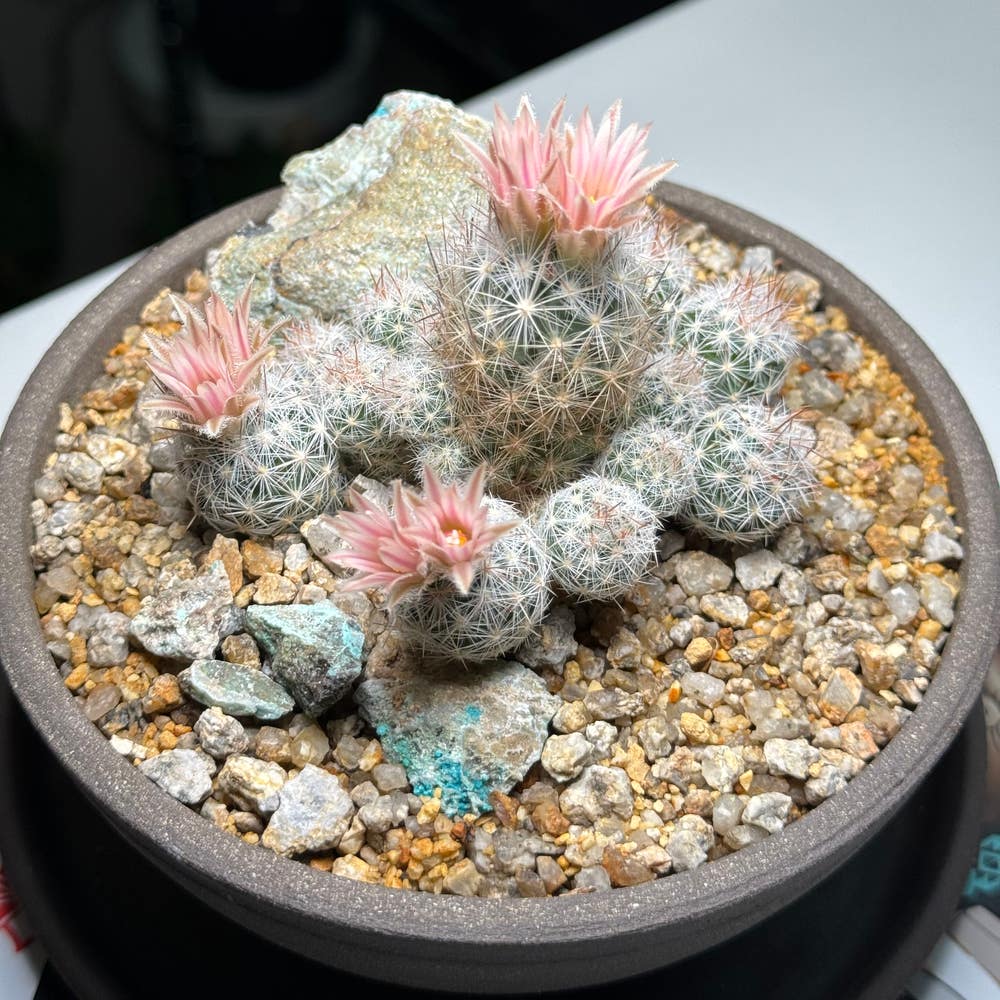
5 Key Factors in Choosing a Missouri Foxtail Cactus Pot 🌵
Escobaria missouriensis
By the Greg Editorial Team
Sep 30, 2024•5 min read
This article was created with the help of AI so we can cover more plants for you. May contain errors. See one? Report it here.
Unlock vibrant growth for your Missouri Foxtail Cactus 🌵 by choosing the perfect pot size and material!
- 🌱 Choose pot size wisely: 2-10 inches based on cactus growth stage.
- 💧 Proper drainage prevents root rot: Ensure pots have 1-2 drainage holes.
- 🏺 Material impacts moisture retention: Clay offers airflow; plastic is lightweight.
Pot Size Considerations
Recommended Sizes for Different Growth Stages 🌱
When selecting a pot for your Missouri Foxtail Cactus, size matters.
Seedlings: Choose a pot size of 2-4 inches in diameter. This size is crucial for initial root establishment without risking excess moisture retention.
Young Plants: Opt for a 4-6 inch diameter pot. This provides ample room for root expansion while maintaining a balanced moisture level.
Mature Cacti: For mature specimens, a pot size of 6-10 inches in diameter is ideal. This accommodates the dense cluster of stems and supports healthy root development.
How Pot Size Influences Root Development and Moisture Retention 🌊
The size of your pot directly impacts your cactus's health.
Larger pots can lead to overwatering if not monitored closely, which can harm your cactus.
Conversely, smaller pots encourage quicker soil drying, a beneficial trait for the Missouri Foxtail Cactus.
Choosing the right container size promotes optimal root growth and helps prevent root rot.
Understanding these dynamics will ensure your cactus thrives, setting the stage for a flourishing plant.
Next, let’s explore the importance of material selection for your cactus pot.
Material Selection
Pros and Cons of Clay Pots 🌱
Clay pots are a popular choice for Missouri Foxtail Cacti.
Pros:
- Their breathable material enhances air circulation to the roots, promoting healthier growth.
- The heavyweight design provides stability, especially for top-heavy cacti.
Cons:
- They can retain moisture longer, which increases the risk of overwatering.
- Clay pots are also prone to cracking in extreme temperatures, which can be a concern.
Pros and Cons of Plastic Pots 🪴
Plastic pots offer a different set of advantages and drawbacks.
Pros:
- They are lightweight and easy to handle, making them ideal for larger specimens.
- Generally, they are less expensive and come in various sizes, catering to different needs.
Cons:
- Plastic is less breathable than clay, potentially leading to moisture retention.
- Over time, plastic can degrade under UV exposure, affecting its durability.
Other Materials to Consider 🧱
When selecting a pot, consider other materials that may suit your style and the cactus's needs.
Ceramic:
- Ceramic pots are aesthetically pleasing but can be heavy and may not provide adequate drainage.
Terracotta:
- Similar to clay, terracotta pots are typically more porous, allowing for better moisture control.
Choosing the right pot material is crucial for the health of your Missouri Foxtail Cactus. Each option has its strengths and weaknesses, so consider your environment and the specific needs of your cactus.
Next, we'll explore the importance of drainage and how it affects your cactus's health.
Drainage Importance
Explanation of Drainage Needs for Missouri Foxtail Cactus 🌵
Proper drainage is crucial for the health of your Missouri Foxtail Cactus. This cactus is particularly sensitive to overwatering, which can lead to root rot.
Effective drainage allows excess water to escape, mimicking the natural, rocky soils these cacti thrive in. Without it, your cactus may struggle to survive.
How to Assess Drainage Effectiveness in Pots 🔍
To ensure your pot has adequate drainage, start by checking for drainage holes. Aim for at least 1-2 holes at the bottom to facilitate water flow.
Next, observe soil moisture levels. The top inch of soil should dry out between waterings to prevent soggy conditions.
Finally, test the pot's weight. If it feels heavier than usual, it might be retaining too much moisture, signaling a potential problem.
By keeping these factors in mind, you can create an optimal environment for your Missouri Foxtail Cactus to flourish.
As we move forward, let’s explore the signs that indicate it’s time to repot your cactus for continued growth.
Repotting Guidelines
Signs That Indicate It's Time to Repot 🌱
Recognizing when your Missouri Foxtail Cactus needs repotting is crucial for its health. Look for roots growing out of the drainage holes, which signals that the plant is root-bound.
Additionally, if the soil appears compacted or depleted of nutrients, it's time for a change. Stunted growth or yellowing stems are also clear indicators that your cactus may be struggling.
Step-by-Step Process for Repotting Missouri Foxtail Cactus 🛠️
Repotting your cactus can seem daunting, but it’s straightforward. Follow these steps for a successful transition:
- Prepare the new pot: Ensure it has adequate drainage holes.
- Remove the cactus from its current pot: Gently loosen the soil and lift the cactus by its base.
- Inspect the roots: Trim any dead or rotting roots with sterile scissors.
- Place the cactus in the new pot: Center it and fill with fresh, well-draining cactus soil.
- Water lightly: Allow the soil to settle without soaking.
Choosing the Right Pot Size and Material During Repotting 🪴
Selecting the right pot is essential for your cactus's continued growth. Choose a pot that is 1-2 inches larger in diameter than the current one to give the roots room to expand.
Consider the material based on your cactus's moisture needs. Clay pots offer breathability, while plastic pots are lightweight and easy to handle, making them suitable for larger specimens.
With these guidelines, you can ensure your Missouri Foxtail Cactus thrives in its new home. Next, let’s explore the importance of drainage in pot selection to further enhance your cactus care.
⚠️ Safety First
This content is for general information and may contain errors, omissions, or outdated details. It is not medical, veterinary advice, or an endorsement of therapeutic claims.
Always consult a qualified healthcare professional before using any plant as food, medicine, or supplement.
Never eat any plant (or feed one to pets) without confirming its identity with at least two trusted sources.
If you suspect poisoning, call Poison Control (800) 222-1222, the Pet Poison Helpline (800) 213-6680, or your local emergency service immediately.
Spotted an error? Please report it here.
Choose the perfect pot for your Missouri Foxtail Cactus with Greg's tailored watering reminders and expert care tips, ensuring your plant thrives in its ideal environment! 🌵