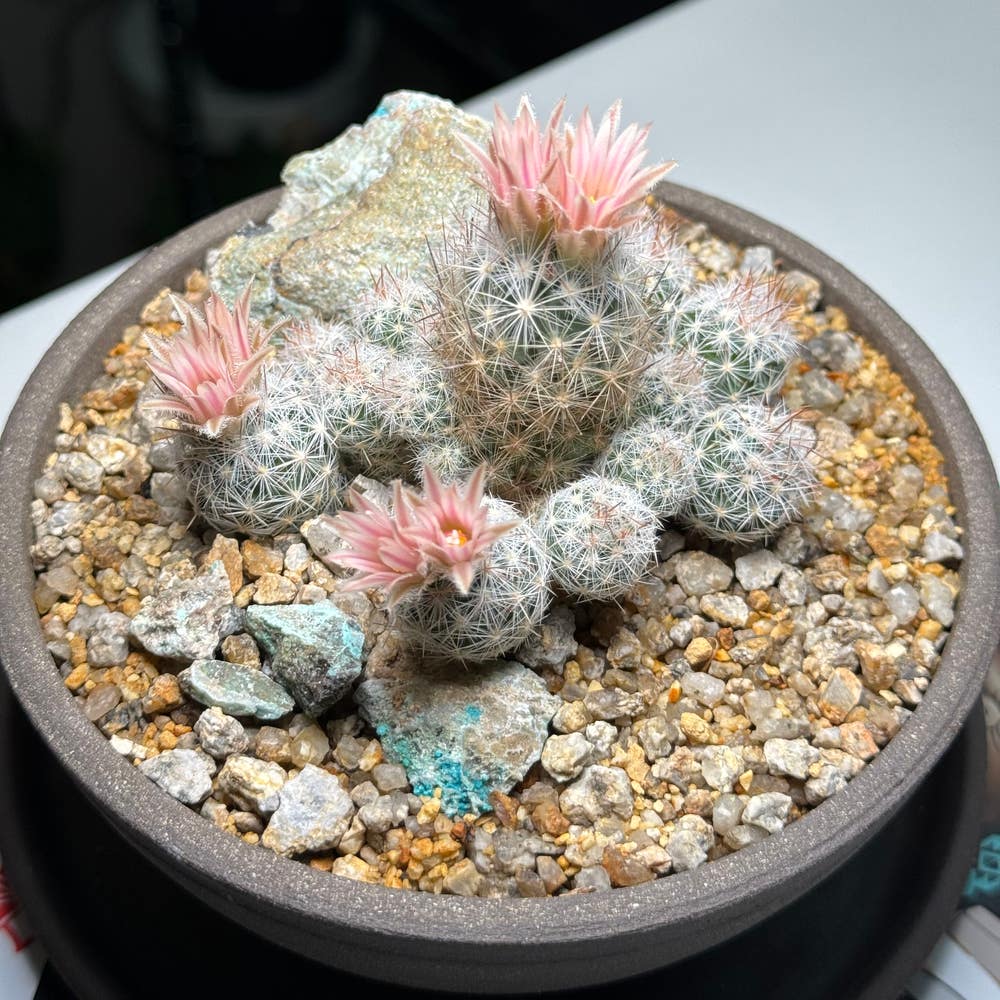
6 Outdoor Care Hacks for Missouri Foxtail Cactus 🌵
Escobaria missouriensis
By the Greg Editorial Team
Sep 30, 2024•6 min read
This article was created with the help of AI so we can cover more plants for you. May contain errors. See one? Report it here.
Master Missouri Foxtail Cactus care for vibrant blooms and robust growth! 🌵
- 🌞 Missouri Foxtail Cactus needs 6-8 hours of sunlight daily for thriving growth.
- 💧 Water every 2-3 weeks in growing season; adjust for winter to prevent root rot.
- 🌱 Use well-draining soil and monitor for pests to ensure cactus health.
Sunlight and Location
Ideal Sunlight Exposure 🌞
Missouri Foxtail Cactus thrives in full sun, requiring 6-8 hours of direct sunlight daily. This exposure is crucial for robust growth and vibrant flowering.
Best Locations for Outdoor Planting 🏡
For optimal growth, plant your cactus in a southern exposure. This orientation maximizes sunlight and warmth, essential for its health.
Elevated areas are also ideal as they provide better drainage and airflow. Avoid shaded spots; they can lead to etiolation, resulting in weak and leggy growth.
By ensuring your cactus gets the right sunlight and is planted in the best location, you set the stage for a flourishing plant. Next, let’s dive into the watering requirements to keep your Missouri Foxtail Cactus hydrated and happy.
Watering Requirements
Frequency of Watering 🌊
For your Missouri Foxtail Cactus, a consistent watering schedule is crucial. Water every 2-3 weeks during the growing season to keep it thriving.
As temperatures drop in winter, reduce your watering frequency. This adjustment helps prevent root rot during dormancy.
Signs of Overwatering and Underwatering 🚨
Recognizing the signs of overwatering is essential for your cactus's health. Look for yellowing leaves, mushy stems, and root rot as indicators that you might be giving it too much water.
On the flip side, underwatering can lead to a wrinkled, shriveled appearance and stunted growth. Keep an eye on your plant to ensure it gets just the right amount of moisture.
Understanding these watering requirements will set you on the right path to nurturing your cactus. Next, let’s explore the ideal soil preferences for optimal growth.
Soil Preferences
Best Soil Types 🌵
For your Missouri Foxtail Cactus, a well-draining soil mix is essential. Combine sand, perlite, and cactus soil to create the perfect environment for growth.
The ideal pH level for this cactus ranges from slightly acidic to neutral, specifically between 6.0 and 7.0. This balance helps ensure that nutrients are readily available for your plant.
Importance of Drainage 🚰
Good drainage is crucial for the health of your cactus. Poor drainage can lead to root rot and fungal diseases, which can quickly jeopardize your plant's vitality.
To improve drainage, consider adding gravel or coarse sand to your soil mix. This simple adjustment can make a significant difference in preventing water retention and promoting healthy roots.
By focusing on the right soil and drainage, you'll set your Missouri Foxtail Cactus up for success. Next, let's explore the differences between container and ground planting to find the best option for your cactus.
Container vs. Ground Planting
🌱 Benefits of Container Planting
Container planting offers remarkable mobility. You can easily relocate your Missouri Foxtail Cactus to ensure it gets optimal sunlight or protection from harsh weather.
Additionally, it allows for greater control over soil quality and drainage. This means you can customize the soil mix to perfectly suit your cactus's needs.
⚠️ Drawbacks of Container Planting
However, container planting has its limitations. The restricted root space can hinder growth, making it challenging for your cactus to thrive.
Moreover, containers tend to dry out faster, leading to an increased watering frequency. This can be a hassle, especially during hot summer months.
🌍 Benefits of Ground Planting
On the other hand, ground planting provides more space for root expansion. This promotes healthier growth, allowing your cactus to reach its full potential.
Ground planting also offers natural drainage, which significantly reduces the risk of overwatering. This is crucial for the health of your cactus.
🐛 Drawbacks of Ground Planting
Yet, ground planting comes with its own set of challenges. You have less control over soil conditions, which may require amendments to create the ideal environment.
Additionally, your cactus may be more vulnerable to pests and diseases when planted in the ground. This can lead to more maintenance and monitoring.
In summary, both container and ground planting have unique advantages and disadvantages. Consider your specific circumstances and preferences to choose the best option for your Missouri Foxtail Cactus. Next, let’s explore how to protect your cactus from weather extremes and pesky pests.
Protection from Weather and Pests
🌧️ Strategies for Weather Protection
To keep your Missouri Foxtail Cactus thriving, it's essential to protect it from extreme weather. During cold snaps, use frost cloths or bring containers indoors to shield them from frost damage.
In the heat of summer, consider using shade cloth. This simple solution can provide relief from intense sunlight and prevent overheating.
🐞 Common Outdoor Pests and Management
Outdoor pests can pose a significant threat to your cactus. Watch for aphids, which leave a sticky residue and cause curled leaves; control them effectively with insecticidal soap.
Mealybugs are another common nuisance, identifiable by their white, cotton-like masses. You can remove them by hand or apply neem oil for a more thorough treatment.
Snails and slugs can also be problematic. Setting up traps or barriers can help deter these slimy invaders from munching on your plant.
🦠 Diseases Affecting the Plant
Root rot is a serious concern, often caused by overwatering. To prevent this, ensure your cactus has proper drainage.
Fungal infections can also affect your plant, usually indicated by discoloration. Treat these issues with fungicides and improve airflow around your cactus to promote a healthier environment.
By taking these protective measures, you can help your Missouri Foxtail Cactus flourish despite the challenges posed by weather and pests. Next, let’s explore how seasonal changes impact your cactus care.
Seasonal Care
🌦️ Seasonal Changes and Their Impact
As the seasons shift, so do the needs of your Missouri Foxtail Cactus. In spring, increase watering as temperatures rise and kick off fertilization to support new growth.
During summer, keep a close eye on pests and ensure your cactus stays hydrated. This is crucial for its health and vitality.
In fall, it's time to reduce watering as the plant prepares for winter dormancy. This helps prevent root rot and keeps your cactus in top shape.
When winter arrives, protect your cactus from frost and limit watering. Overwatering during this season can lead to serious issues.
🌍 Special Considerations for Different Climate Zones
Missouri Foxtail Cactus thrives in USDA Hardiness Zones 9-11. If you're in a colder climate, consider using containers for easy mobility and protection from harsh weather.
This adaptability allows you to move your cactus indoors during extreme conditions, ensuring it remains healthy year-round.
📅 Fertilization Schedule Throughout the Year
Start your fertilization routine in spring with a balanced cactus fertilizer every 4-6 weeks. This gives your cactus the nutrients it needs to flourish.
In summer, continue fertilizing and consider a high-phosphorus formula to encourage blooming. This can make your cactus a stunning centerpiece.
As fall approaches, reduce fertilization as the plant enters dormancy. Finally, in winter, skip fertilization altogether and focus on minimal watering to keep your cactus safe.
With these seasonal care tips, your Missouri Foxtail Cactus will thrive through every season. Next, let’s explore how to protect your cactus from weather extremes and pesky pests.
⚠️ Safety First
This content is for general information and may contain errors, omissions, or outdated details. It is not medical, veterinary advice, or an endorsement of therapeutic claims.
Always consult a qualified healthcare professional before using any plant as food, medicine, or supplement.
Never eat any plant (or feed one to pets) without confirming its identity with at least two trusted sources.
If you suspect poisoning, call Poison Control (800) 222-1222, the Pet Poison Helpline (800) 213-6680, or your local emergency service immediately.
Spotted an error? Please report it here.
Keep your Missouri Foxtail Cactus thriving and blooming 🌼 with Greg's tailored watering reminders and expert care tips that make outdoor maintenance a breeze!