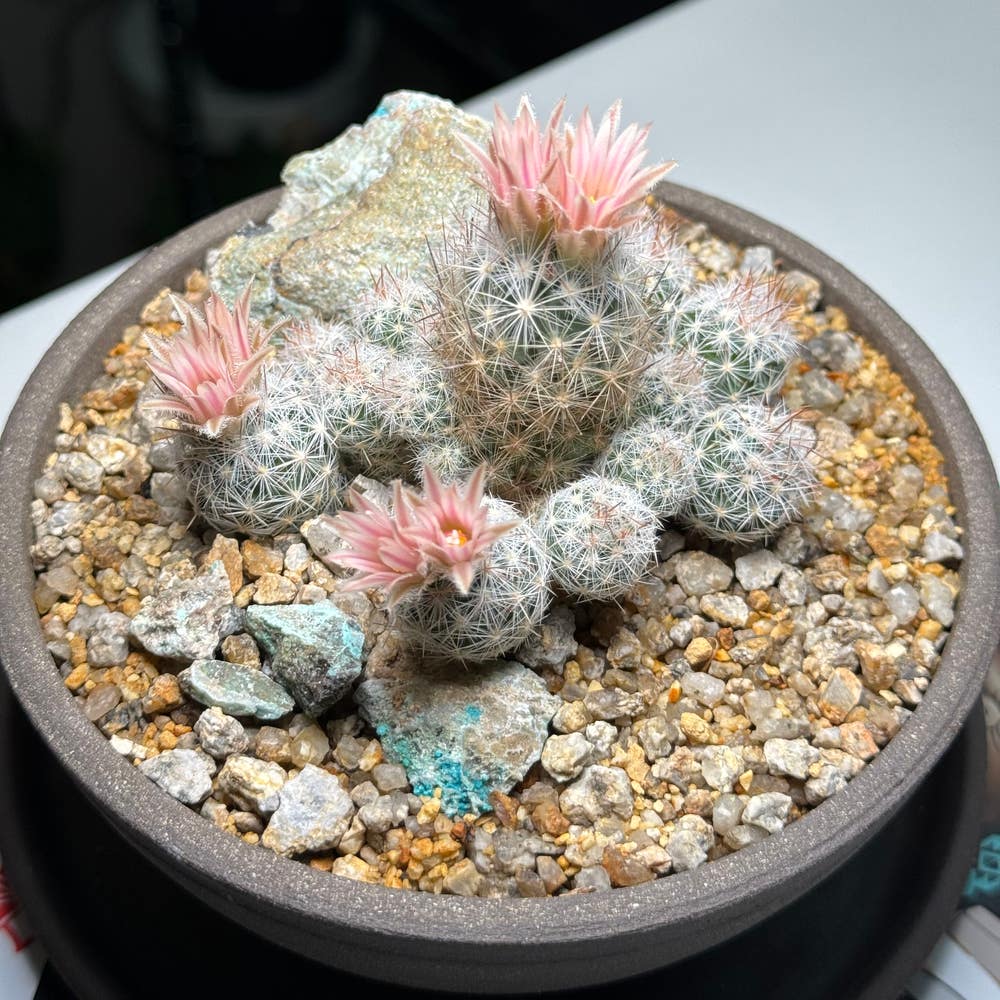
Missouri Foxtail Cactus Is a Garden Plant, Not a Weed 🌵
Escobaria missouriensis
By the Greg Editorial Team
Sep 30, 2024•6 min read
This article was created with the help of AI so we can cover more plants for you. May contain errors. See one? Report it here.
Enhance your garden's beauty and biodiversity 🌼 with the Missouri Foxtail Cactus, a non-invasive gem that supports local wildlife!
- 🌵 Missouri Foxtail Cactus is non-invasive, making it a safe garden choice.
- 🐝 Attracts pollinators like bees and butterflies, enhancing garden biodiversity.
- 💧 Drought-tolerant and low-maintenance, it thrives in well-drained soils.
Plant Classification
Definition of Invasive Species 🌱
Invasive species are plants or animals that grow and spread rapidly, often outcompeting native flora. They can disrupt local ecosystems, leading to a decline in biodiversity and altering habitat dynamics.
Characteristics of invasive species include:
- Rapid growth and spread: They can quickly dominate an area.
- Displacement of native flora: They often push out local plants, reducing diversity.
- Negative impact on local ecosystems: Their presence can harm wildlife and soil health.
Why Missouri Foxtail Cactus is Non-Invasive 🌵
The Missouri Foxtail Cactus stands out as a non-invasive plant, primarily due to its slow growth rate and limited spread potential. This cactus thrives in specific soil and climate conditions, making it less likely to encroach on other plants.
Additionally, it contributes positively to local biodiversity without overwhelming native species. Its presence enhances the garden environment, supporting various forms of wildlife while maintaining a balanced ecosystem.
Incorporating the Missouri Foxtail Cactus into your garden not only beautifies the space but also fosters a thriving habitat for local flora and fauna. This makes it a valuable addition to any garden design.
As we explore its growth habits next, you'll see how this cactus fits seamlessly into garden landscapes.
Growth Habits
Typical Growth Patterns in Gardens 🌱
The Missouri Foxtail Cactus showcases a charming clumping growth form, creating a low-profile structure that fits beautifully in various garden designs. Typically, it reaches heights of 6-12 inches and spreads about 12-18 inches wide, making it an ideal choice for compact spaces.
This cactus thrives during the spring and summer months, entering a dormant phase in winter. Its seasonal growth patterns ensure that it remains vibrant when conditions are favorable, adding unique character to your garden.
Natural Limits to Growth and Spread Potential 🚧
Missouri Foxtail Cactus prefers well-drained, sandy, or rocky soils, which are crucial for its health. This specific soil requirement limits its growth to areas where these conditions exist, making it less likely to spread uncontrollably.
In terms of water needs, this cactus is drought-tolerant and requires minimal irrigation. Its resilience allows it to thrive with little attention, making it a low-maintenance option for gardeners.
Competition with established flora also plays a role in limiting its spread. The Missouri Foxtail Cactus coexists with other plants, ensuring it doesn’t overwhelm its surroundings while contributing positively to the ecosystem.
Incorporating this cactus into your garden not only enhances its aesthetic appeal but also supports local biodiversity. As we explore its ecological role next, you'll see how it interacts beneficially with wildlife and the environment.
Ecological Role
Benefits in Gardens and Ecosystems 🌼
The Missouri Foxtail Cactus plays a vital role in enhancing garden ecosystems. It attracts essential pollinators like bees and butterflies, which are crucial for plant reproduction.
This cactus also provides habitat for local wildlife, including small mammals and birds. Its presence supports a thriving ecosystem, making gardens more vibrant and alive.
Enhancing Soil Health 🌱
One of the lesser-known benefits of the Missouri Foxtail Cactus is its ability to enhance soil health. Its root systems help prevent erosion, stabilizing the soil and promoting a healthier garden environment.
By improving soil structure, this cactus contributes to a more sustainable ecosystem. Healthy soil supports a diverse range of plant life, creating a balanced habitat.
Positive Interactions with Local Wildlife 🦋
The Missouri Foxtail Cactus serves as a food source for native insects and animals. This interaction fosters a rich food web, benefiting various species in the area.
Moreover, it supports local biodiversity by coexisting harmoniously with other native plants. This coexistence is essential for maintaining ecological balance and resilience.
Incorporating the Missouri Foxtail Cactus into your garden not only beautifies the space but also enriches the local ecosystem. Its ecological contributions make it a valuable addition to any garden design, paving the way for a more sustainable future.
As we explore garden management next, consider how to best integrate this remarkable plant into your landscape.
Garden Management
Incorporating Missouri Foxtail Cactus into Garden Designs 🌵
Missouri Foxtail Cactus thrives in specific environments, making it a perfect fit for rock gardens, xeriscapes, and garden borders. Its unique structure adds a touch of intrigue, especially when grouped in clusters for a striking visual impact.
Companion planting is another effective strategy. Pairing this cactus with other drought-tolerant native plants not only enhances aesthetics but also promotes a harmonious ecosystem.
Growth Control Methods for Aesthetic Purposes ✂️
To keep your Missouri Foxtail Cactus looking its best, regular monitoring of growth patterns is essential. This helps you catch any unwanted spread early on.
Pruning is another straightforward method. By removing dead or damaged segments, you can maintain the cactus's shape and health.
Lastly, ensure adequate spacing between plants. This prevents overcrowding and allows each plant to flourish without competition.
With these simple management techniques, you can enjoy the beauty of Missouri Foxtail Cactus while maintaining a vibrant garden. Next, let's explore its ecological role and the benefits it brings to both gardens and local ecosystems.
Comparison to Other Plants
🌵 Similar Non-Invasive Plants
When considering non-invasive plants for your garden, the Prickly Pear Cactus and Barrel Cactus stand out. Both are drought-tolerant and require minimal maintenance, making them excellent companions for the Missouri Foxtail Cactus.
These cacti thrive in similar regions, adapting well to dry conditions while adding unique textures and colors to your landscape. Their resilience makes them a popular choice for gardeners looking to create sustainable, low-water gardens.
🌟 Unique Qualities of Missouri Foxtail Cactus
The Missouri Foxtail Cactus boasts remarkable resilience in harsh environments. Its specific adaptations to Missouri's climate and soil allow it to flourish where other plants might struggle.
This cactus plays a vital role in enhancing local biodiversity. Unlike many other cacti, it coexists harmoniously with native flora, supporting a balanced ecosystem. By choosing the Missouri Foxtail Cactus, you're not just adding a plant; you're contributing to a thriving garden that benefits both wildlife and the environment.
As you explore the diversity of cacti, consider how each plant can complement your garden's unique character. The Missouri Foxtail Cactus stands out not only for its beauty but also for its ecological significance, making it a worthy addition to any garden.
Legal and Environmental Considerations
Relevant Classifications and Guidelines 🌱
Understanding local regulations is crucial when cultivating native plants like the Missouri Foxtail Cactus. Many areas have specific guidelines to protect native flora and fauna, ensuring that gardening practices support ecological balance.
Using native plants not only complies with these regulations but also enhances local biodiversity. By incorporating species like the Missouri Foxtail Cactus, gardeners contribute to a healthier ecosystem.
Role in Sustainable Gardening Practices ♻️
Sustainable gardening practices are essential for conserving water, especially in regions prone to drought. The Missouri Foxtail Cactus thrives on minimal irrigation, making it an excellent choice for water-wise gardens.
Planting native species supports local ecosystems by providing habitats for wildlife. This approach encourages biodiversity and reduces reliance on non-native, invasive species that can disrupt local habitats.
Incorporating the Missouri Foxtail Cactus into your garden is not just about aesthetics; it’s a step toward a more sustainable and balanced environment. By choosing native plants, you’re making a positive impact on your local ecosystem and promoting a healthier planet.
As we explore the next section, we’ll delve into how to effectively manage and incorporate this unique cactus into your garden design.
⚠️ Safety First
This content is for general information and may contain errors, omissions, or outdated details. It is not medical, veterinary advice, or an endorsement of therapeutic claims.
Always consult a qualified healthcare professional before using any plant as food, medicine, or supplement.
Never eat any plant (or feed one to pets) without confirming its identity with at least two trusted sources.
If you suspect poisoning, call Poison Control (800) 222-1222, the Pet Poison Helpline (800) 213-6680, or your local emergency service immediately.
Spotted an error? Please report it here.
Cultivate the eco-friendly beauty 🌵 of the Missouri Foxtail Cactus in your garden, and let Greg provide personalized care tips to help it thrive effortlessly while supporting local biodiversity!