❄️ Winter Heath is Not an Invasive Plant
Erica carnea
By the Greg Editorial Team
Sep 30, 2024•6 min read
This article was created with the help of AI so we can cover more plants for you. May contain errors. See one? Report it here.
Transform your garden with Winter Heath's beauty while nurturing local ecosystems and wildlife! 🌼🌱
- 🌱 Winter Heath is non-invasive, making it a safe and manageable garden choice.
- 🌼 Blooms in winter, adding color and attracting pollinators during colder months.
- 🌍 Supports biodiversity by thriving alongside native plants and enhancing local ecosystems.
Plant Classification
Definition of Invasive Species 🌱
Invasive species are plants that exhibit rapid growth and aggressive spreading, often wreaking havoc on local ecosystems. They can outcompete native flora, disrupt habitats, and lead to a decline in biodiversity.
Why Winter Heath is Not Invasive 🌼
Winter Heath, however, does not fit this invasive mold. Its growth is slow to moderate, primarily limited by environmental conditions, making it a gentle addition to any garden rather than a threat.
This plant thrives in specific soil types and light conditions, which naturally curbs its spread. By understanding these characteristics, gardeners can appreciate Winter Heath's role in promoting a balanced ecosystem.
In the next section, we will explore its growth habits and how they contribute to its suitability in various garden settings.
Growth Habits
🌱 Typical Growth Patterns in Gardens
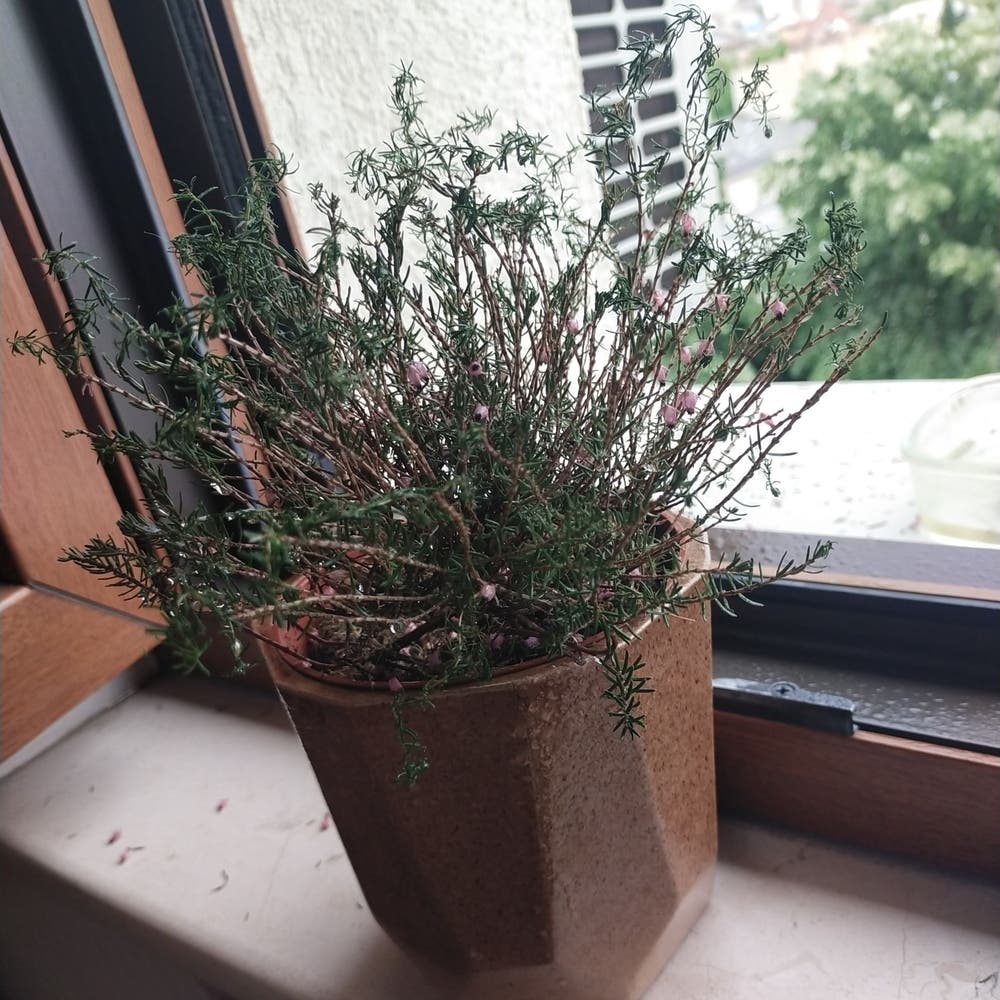
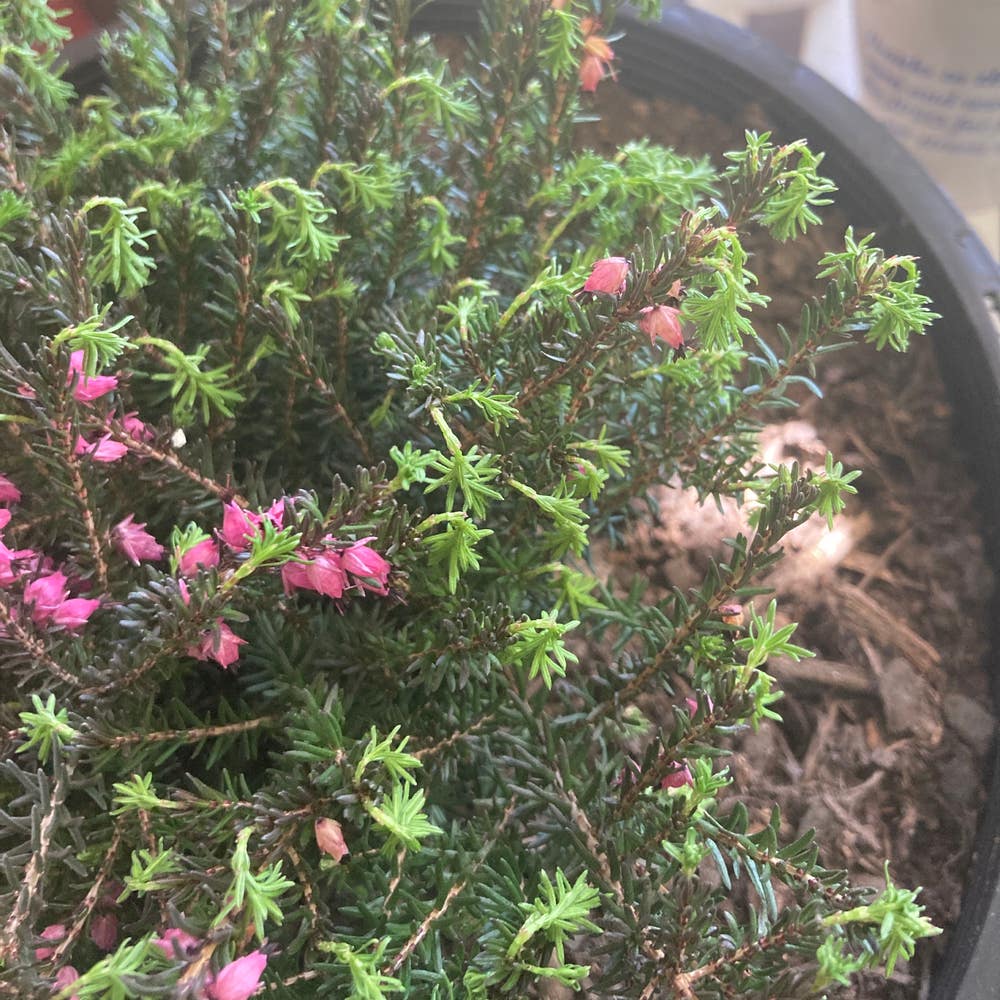
Winter Heath is a low-growing plant that spreads gracefully, making it an excellent choice for ground cover. Its small, bell-shaped flowers bloom in winter and early spring, adding a splash of color when many other plants are dormant.
🌿 Natural Spread Potential
While Winter Heath can spread through seeds and vegetative propagation, it does so in a controlled manner. Typically, it grows to a height of 6-12 inches, making it easy to manage in various garden settings.
🌞 Environmental Limits to Growth
This plant thrives in acidic, well-drained soils, which are crucial for its health. It can tolerate full sun to partial shade, but for optimal growth, it prefers bright conditions that mimic its natural habitat.
Incorporating Winter Heath into your garden not only enhances its beauty but also supports local ecosystems. As we explore its ecological role, you'll see how this plant contributes to biodiversity and benefits wildlife.
Ecological Role
Benefits to Local Wildlife 🐝
Winter Heath is a true gem for local wildlife. Its winter blooms attract essential pollinators like bees and butterflies, providing them with much-needed sustenance during the colder months.
Additionally, this plant serves as a habitat and food source for various insects and small wildlife. By incorporating Winter Heath into your garden, you create a welcoming environment for these creatures.
Positive Interactions with Other Plants 🌿
Winter Heath thrives alongside native plants, enhancing biodiversity in garden ecosystems. Its compatibility with other flora fosters a rich tapestry of life, making your garden a vibrant habitat.
Moreover, it offers excellent potential for companion planting. Pairing Winter Heath with other beneficial garden plants can lead to healthier growth and a more resilient ecosystem.
Contribution to Biodiversity 🌍
This plant plays a crucial role in supporting local ecosystems. By maintaining healthy pollinator populations, Winter Heath contributes to the overall health of your garden.
Incorporating Winter Heath into diverse planting schemes is vital for promoting biodiversity. Its presence not only beautifies your space but also strengthens the ecological web that sustains life.
As we explore the next section, consider how you can integrate Winter Heath into your garden management practices for a thriving, sustainable landscape.
Garden Management
Incorporating Winter Heath into Garden Designs 🌿
Winter Heath is a versatile plant that can enhance various garden designs. Consider using it as ground cover, in rock gardens, or as part of mixed borders to create a lush, inviting space.
For optimal growth and coverage, space your Winter Heath plants 12-18 inches apart. This allows them to spread comfortably without overcrowding, ensuring a healthy garden environment.
Aesthetic Considerations 🎨
One of the standout features of Winter Heath is its color variations. Cultivars like 'Springwood Pink' and 'Snow Queen' add vibrant visual interest to your garden.
Additionally, the evergreen foliage and winter blooms provide year-round appeal. This means your garden remains lively and attractive, even in the colder months.
Practical Growth Control Methods 🛠️
To keep your Winter Heath thriving, consider these easy growth control methods:
- Regular pruning: This helps maintain the desired shape and encourages bushier growth.
- Monitoring spread: Keep an eye on any unwanted encroachment into other garden areas.
- Soil management: Ensure proper drainage to prevent overgrowth, which can lead to health issues for the plant.
By following these simple steps, you can enjoy the beauty of Winter Heath while maintaining a well-managed garden.
As you incorporate Winter Heath into your designs, think about how it complements other plants and contributes to a vibrant ecosystem. Next, let’s explore how Winter Heath compares to other plants in your garden.
Comparison to Other Plants
🌱 Similar Non-Invasive Plants
When considering non-invasive ground cover options, Creeping Thyme, Ajuga, and Sedum stand out. These plants not only provide excellent coverage but also enhance the garden's biodiversity.
Integrating a variety of non-invasive plants fosters a vibrant ecosystem. This diversity can attract different pollinators and beneficial insects, enriching your garden's health.
❄️ Unique Qualities of Winter Heath
Winter Heath boasts a distinctive blooming period, showcasing its small, bell-shaped flowers during the colder months. This unique trait sets it apart from many other plants that typically bloom in spring or summer.
Additionally, its evergreen nature ensures that your garden maintains visual interest year-round. The lush foliage provides structure and color, even in the depths of winter.
🌼 Benefits in a Garden Setting
One of the standout features of Winter Heath is its low maintenance requirements. Once established, it becomes drought-tolerant, making it an ideal choice for busy gardeners.
Beyond its practicality, Winter Heath enhances garden aesthetics while supporting local wildlife. Its blooms attract pollinators, contributing to a thriving ecosystem right in your backyard.
Incorporating Winter Heath alongside other non-invasive plants not only beautifies your space but also promotes environmental health. This thoughtful approach to gardening can lead to a more sustainable and vibrant landscape.
Legal and Environmental Considerations
Relevant Classifications and Guidelines 🌱
Understanding local regulations is crucial when planting non-invasive species. Many regions have guidelines that promote the use of non-invasive plants to protect local ecosystems.
Selecting non-invasive plants like Winter Heath is essential for sustainable landscaping. It helps maintain ecological balance and supports native wildlife.
Sustainable Gardening Practices 🌍
Incorporating Winter Heath into eco-friendly garden designs can enhance your landscape while being kind to the environment. This plant thrives in various conditions, making it a versatile choice for sustainable gardening.
Using native and non-invasive plants not only beautifies your garden but also contributes to environmental health. They require less maintenance and resources, promoting a more sustainable approach to gardening.
Environmental Impact of Winter Heath 🌿
Winter Heath positively contributes to soil health and local ecosystems. Its presence can improve soil structure and nutrient availability.
Moreover, this plant plays a vital role in promoting biodiversity. By supporting pollinator populations, Winter Heath helps create a thriving garden ecosystem that benefits both plants and wildlife.
Incorporating such plants into your garden not only enhances its beauty but also fosters a healthier environment. As we move forward, let’s explore how to effectively manage Winter Heath in your garden.
⚠️ Safety First
This content is for general information and may contain errors, omissions, or outdated details. It is not medical, veterinary advice, or an endorsement of therapeutic claims.
Always consult a qualified healthcare professional before using any plant as food, medicine, or supplement.
Never eat any plant (or feed one to pets) without confirming its identity with at least two trusted sources.
If you suspect poisoning, call Poison Control (800) 222-1222, the Pet Poison Helpline (800) 213-6680, or your local emergency service immediately.
Spotted an error? Please report it here.
Enhance your garden's beauty and biodiversity with Winter Heath's vibrant blooms 🌸, and let Greg provide you with personalized care tips to ensure your plants thrive effortlessly!