❄️ Winter Heath: A Perennial Plant
Erica carnea
By the Greg Editorial Team
Sep 30, 2024•6 min read
This article was created with the help of AI so we can cover more plants for you. May contain errors. See one? Report it here.
Elevate your garden with resilient Winter Heath 🌿, a perennial that thrives effortlessly year after year!
- 🌼 Winter Heath blooms vibrantly from late winter to early spring in various colors.
- 🌱 Strong root systems enhance resilience, allowing Winter Heath to thrive for over a decade.
- 🌍 Minimal maintenance needed once established, perfect for effortless garden planning.
Characteristics of Winter Heath as a Perennial
Multi-Year Lifecycle 🌱
Winter Heath is a remarkable perennial that showcases a multi-year lifecycle. It begins with germination, where seeds sprout and establish themselves, followed by growth, flowering, and dormancy.
The lifecycle unfolds over several years, with each stage contributing to the plant's resilience. Typically, germination occurs in early spring, leading to robust growth throughout the warmer months. As the seasons change, Winter Heath transitions into a dormant phase, allowing it to conserve energy for the next cycle.
Growth Patterns and Regrowth 🌿
One of the standout features of Winter Heath is its ability to develop from a strong root system each year. This perennial thrives by leveraging its established roots, which deepen and spread over time.
The root system is crucial for nutrient uptake, allowing the plant to access water and minerals from the soil. A well-developed root network not only stabilizes the plant but also enhances its ability to withstand environmental stresses, ensuring vibrant growth year after year.
With these characteristics, Winter Heath proves to be a resilient and low-maintenance choice for gardeners. As we explore its flowering and lifespan next, we’ll see how these traits contribute to its overall beauty and longevity.
Flowering and Lifespan
Flowering Cycles 🌸
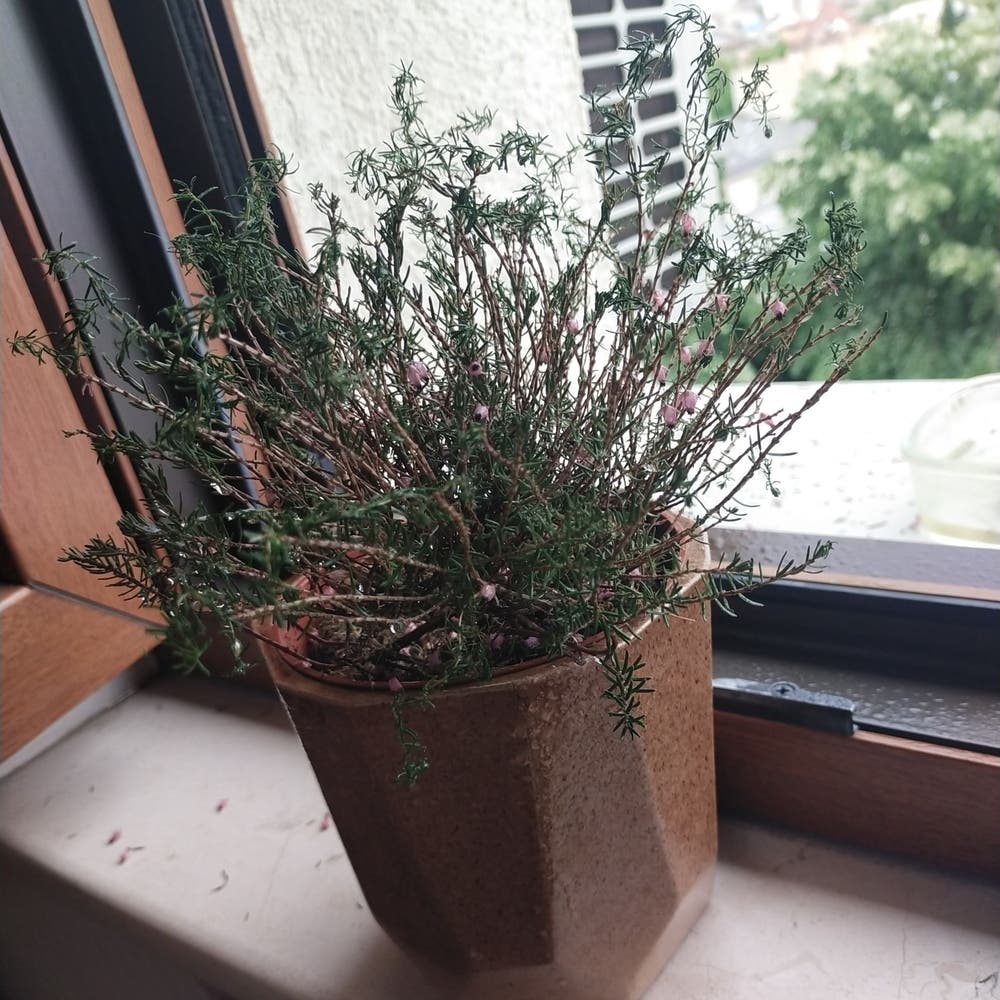
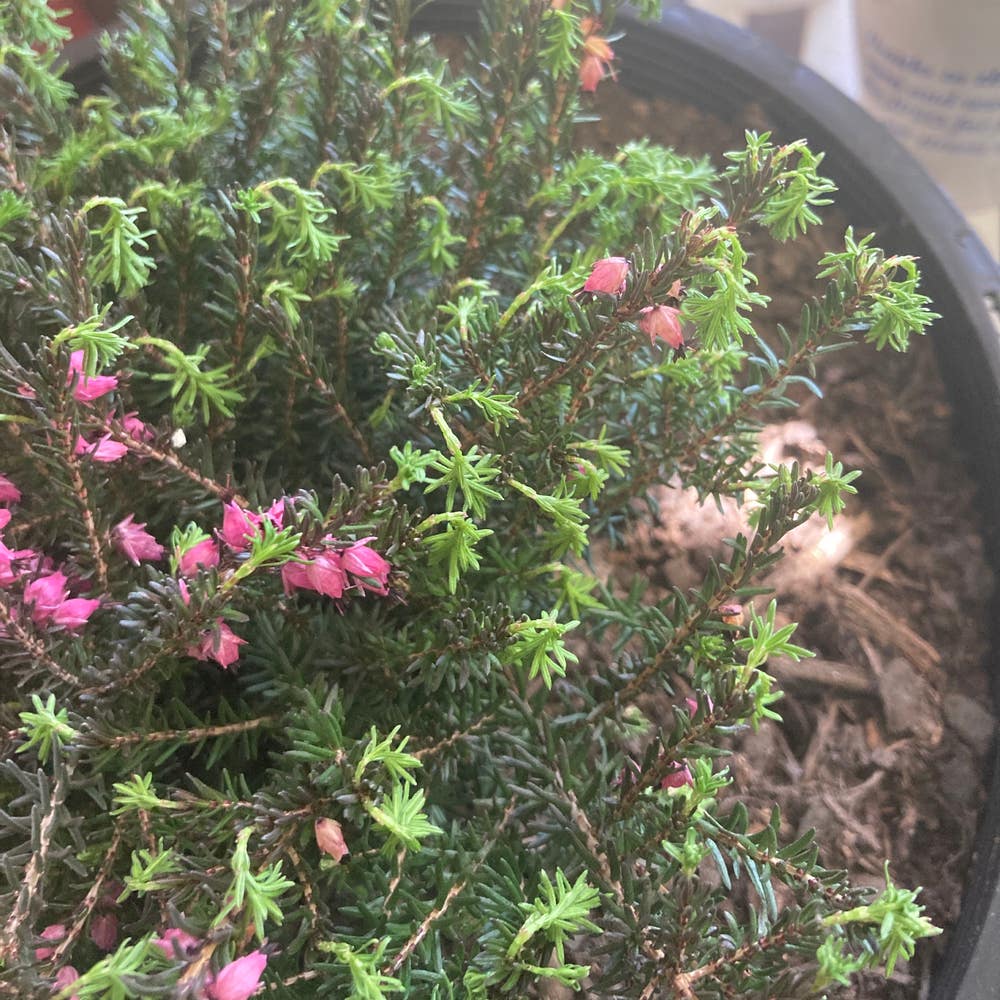
Winter Heath bursts into bloom from late winter to early spring, offering a vibrant display when many other plants are still dormant. The flowers come in various colors, including pink, white, and purple, creating a stunning contrast against the winter landscape.
These blooms can last several weeks, depending on weather conditions. Seasonal changes significantly influence flowering frequency and health, with warmer temperatures often leading to earlier and more abundant blooms.
Expected Lifespan ⏳
In optimal conditions, Winter Heath can thrive for several years, often living up to a decade or more. However, its longevity is influenced by several factors, including soil quality, climate, and care practices.
Healthy, well-drained soil rich in organic matter promotes a longer lifespan. Additionally, consistent care, such as proper watering and pruning, can enhance the plant's resilience and flowering potential.
As you consider incorporating Winter Heath into your garden, remember that understanding its flowering cycles and lifespan can help you maximize its beauty and longevity. This knowledge sets the stage for effective garden planning and care strategies.
Dormancy and Seasonal Changes
Dormancy Periods 🌙
Dormancy is a natural phase for Winter Heath, allowing the plant to conserve energy during unfavorable conditions. This period typically occurs in late fall through winter, when temperatures drop and sunlight diminishes.
During dormancy, the plant halts growth and focuses on survival. This strategy helps it withstand harsh weather, ensuring it can thrive again when conditions improve.
Seasonal Adaptations 🍂
Winter Heath is remarkably resilient, adapting to seasonal changes with ease. During colder months, it retains its foliage, which can provide some insulation and moisture retention.
As temperatures fluctuate, the plant adjusts its growth patterns accordingly. Warmer weather prompts renewed growth, while extreme cold can trigger deeper dormancy, ensuring the plant's health and vigor for the next growing season.
Understanding these dormancy and adaptation processes is crucial for gardeners. It helps in planning care routines that align with the plant's natural cycles, ultimately leading to a more vibrant garden.
As we explore the advantages of Winter Heath for gardeners, consider how these seasonal changes can influence your gardening strategies.
Advantages for Gardeners
🌱 Benefits of Established Root Systems
Established root systems are a game-changer for Winter Heath. They provide stability, allowing the plant to withstand harsh weather and access nutrients deep in the soil.
In contrast, newly planted perennials often struggle to establish themselves. Their shallow roots can lead to instability and nutrient deficiencies, making them more vulnerable to environmental stressors.
🔄 Reduced Need for Replanting
One of the standout benefits of Winter Heath is its low maintenance nature. Once established, these plants require less labor and cost over time, freeing up your gardening schedule for other projects.
This long-term investment pays off as you enjoy a flourishing garden with minimal effort. With Winter Heath, you can focus on enjoying your space rather than constantly replanting.
As you consider incorporating Winter Heath into your garden, remember that its resilience and longevity can significantly enhance your gardening experience. Next, let’s explore how climate variations can impact the behavior of this remarkable perennial.
Variations Across Climate Zones
🌦️ Climate Impact on Behavior
Climate plays a crucial role in the growth patterns and flowering of Winter Heath. In milder climates, this perennial flourishes, producing vibrant blooms from late winter to early spring.
Conversely, in harsher climates, flowering may be delayed or less abundant. Understanding these variations helps gardeners select the right conditions for optimal growth.
⏳ Longevity Factors
Soil conditions significantly influence the health of Winter Heath. Acidic, well-drained soils are ideal, promoting robust growth and vibrant flowers.
Temperature extremes also affect this plant's longevity. Winter Heath exhibits cold hardiness, making it suitable for cooler regions, while it can also tolerate some heat, provided it has adequate moisture.
By considering these factors, gardeners can ensure their Winter Heath thrives across various climates. This adaptability makes it a versatile choice for diverse landscapes.
Maximizing Benefits in Garden Planning
Incorporating in Garden Design 🌱
When planning your garden, consider companion planting with Winter Heath. This hardy perennial pairs well with other plants that thrive in similar conditions, such as heathers and spring bulbs.
Spacing is crucial for Winter Heath's growth habits. Ensure adequate room for its root system to spread, allowing for proper air circulation and nutrient uptake. A good rule of thumb is to space plants about 12 to 18 inches apart, depending on the variety.
Long-Term Cultivation Strategies 🌿
To maintain the health and vigor of your Winter Heath, regular care is essential. Pruning spent blooms encourages new growth and prolongs flowering, while mulching helps retain moisture and suppress weeds.
Monitoring soil conditions is vital for long-term success. Test the soil pH regularly and adjust as needed, as Winter Heath prefers slightly acidic conditions. Seasonal care adjustments, like protecting the plants during extreme weather, will also enhance their resilience.
By integrating these strategies, you can enjoy a flourishing garden that showcases the beauty of Winter Heath year after year. As you cultivate this perennial, you'll find that the effort pays off in vibrant blooms and a thriving landscape.
⚠️ Safety First
This content is for general information and may contain errors, omissions, or outdated details. It is not medical, veterinary advice, or an endorsement of therapeutic claims.
Always consult a qualified healthcare professional before using any plant as food, medicine, or supplement.
Never eat any plant (or feed one to pets) without confirming its identity with at least two trusted sources.
If you suspect poisoning, call Poison Control (800) 222-1222, the Pet Poison Helpline (800) 213-6680, or your local emergency service immediately.
Spotted an error? Please report it here.
Cultivate a thriving Winter Heath garden 🌼 with Greg's tailored care reminders and tips, ensuring vibrant blooms and minimal effort for years to come!