❄️ Top 8 Signs Your White Velvet is Stressed in Winter
Tradescantia sillamontana
By the Greg Editorial Team
Oct 10, 2024•5 min read
This article was created with the help of AI so we can cover more plants for you. May contain errors. See one? Report it here.
Transform your winter care routine to revive your White Velvet and ensure it thrives come spring! 🌿
- 🍂 Yellowing leaves and drooping stems indicate stress; adjust watering and temperature immediately.
- ❄️ Low humidity and cold drafts cause leaf discoloration; maintain humidity between 50%-70%.
- 🌱 Prune damaged leaves to redirect energy for healthier spring growth.
Signs of Stress in Winter
🌿 Yellowing leaves and leaf drop
Yellowing leaves and leaf drop are common signs that your White Velvet is feeling stressed. This can stem from insufficient light, overwatering, or cold drafts, all of which can disrupt its health.
When you notice these symptoms, it’s crucial to reassess your care routine. Adjusting light exposure or watering habits may be necessary to help your plant bounce back.
🌱 Wilting or drooping stems
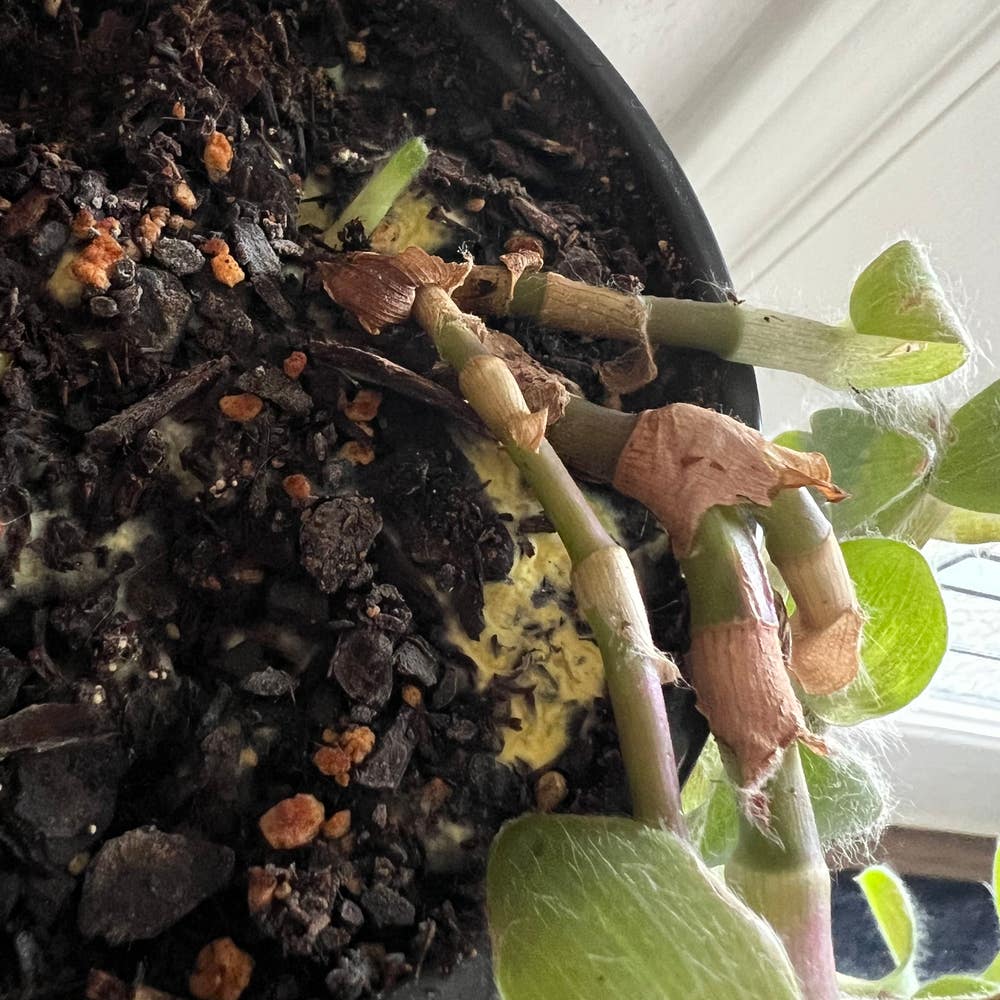
Wilting or drooping stems indicate that your plant might be underwatered or experiencing sudden temperature changes. Monitoring stem health is vital for early intervention, allowing you to address issues before they escalate.
If you catch these signs early, you can often revive your plant with a little extra care and attention.
🚫 Stunted growth or lack of new growth
Stunted growth or a lack of new growth can signal dormancy, which is a normal part of winter for many plants. However, it can also indicate stress, so it’s essential to differentiate between the two.
During this dormancy period, patience is key. Your White Velvet may just be conserving energy until spring arrives.
🍂 Leaf discoloration or browning
Leaf discoloration or browning often results from low humidity levels or exposure to cold air. These factors can severely impact your plant's overall health.
To combat this, consider strategies like using a humidifier or placing your plant away from cold drafts. Maintaining optimal conditions will help keep your White Velvet vibrant and healthy.
Recognizing these signs of stress is the first step in ensuring your White Velvet thrives through the winter. By adjusting your care routine, you can support your plant's recovery and prepare it for the warmer months ahead.
Winter Care Requirements
Adjusting Watering Schedules for Winter 🌊
During winter, it's crucial to adjust your watering routine. Water less frequently, allowing the soil to dry out between waterings to prevent root rot.
Watch for signs of overwatering, such as yellowing leaves and mushy stems. These indicators can signal that your White Velvet is struggling and needs immediate attention.
Importance of Humidity Levels 💧
Humidity plays a vital role in your plant's health during the colder months. Aim for an ideal humidity range of 50% to 70% to keep your White Velvet thriving.
To increase humidity, consider using humidifiers, pebble trays, or grouping your plants together. These methods can create a more favorable environment for your plant.
Fertilizing Practices During Winter Dormancy ❄️
When it comes to fertilizing in winter, the general guideline is to avoid it altogether. Your White Velvet is likely in a dormant state, and adding fertilizer can do more harm than good.
However, if you notice unexpected growth, you can use a diluted fertilizer to give your plant a boost. Just be cautious and monitor its response closely.
As you care for your White Velvet this winter, remember that small adjustments can lead to significant improvements. With the right attention, your plant will be ready to flourish come spring.
Protection from Frost
🌨️ Best practices for outdoor frost protection
To shield your White Velvet from frost, covering plants is essential. Use frost cloths or blankets on particularly cold nights to trap warmth.
Consider the location of your pots as well. Moving them to sheltered areas can provide additional protection from harsh winter winds.
🏠 Indoor care to prevent frost damage
Inside your home, window placement plays a crucial role. Avoid positioning your plants near windows that let in cold drafts, as this can stress them.
Additionally, keep an eye on indoor temperatures. Aim to maintain a cozy environment above 60°F (15°C) to ensure your plants thrive during winter.
By taking these simple steps, you can help your White Velvet weather the winter months and emerge healthy come spring.
Recovery from Winter Damage
Identifying and Assessing Winter Damage 🌨️
Winter can be tough on your White Velvet, and recognizing the signs of damage is crucial. Look for brown leaf tips, mushy stems, or unexpected leaf drop—these are clear indicators that your plant needs attention.
Early assessment is key for effective recovery. The sooner you identify issues, the better your chances of rejuvenating your plant in the spring.
Steps for Recovery and Rejuvenation in Spring 🌱
Pruning Damaged Leaves and Stems: Start by using clean, sharp scissors to remove any damaged parts. This helps redirect energy to healthier growth.
Adjusting Watering: As temperatures rise, gradually increase your watering frequency. This allows your plant to rehydrate without overwhelming it.
Reintroducing Fertilizer: Once you notice new growth, begin with a balanced fertilizer. This will support your plant as it transitions back to its active growing phase.
By following these steps, you can help your White Velvet bounce back beautifully from winter stress. As you prepare for spring, keep an eye on your plant's needs to ensure a thriving season ahead.
Preparing for Spring
🌱 Signs that White Velvet is Ready for Spring Growth
As winter fades, keep an eye out for new leaf emergence. This is a clear sign that your White Velvet is waking up from dormancy.
Increased moisture needs will also become apparent. Be prepared to adjust your watering routine as growth resumes.
🌡️ Adjusting Care Routines as Temperatures Rise
Transitioning to regular watering schedules is essential. Monitor soil moisture closely to ensure your plant gets just the right amount.
Gradually increase light exposure as temperatures rise. This acclimation helps your plant adjust to brighter conditions without shock.
With these adjustments, your White Velvet will thrive as spring unfolds. Embrace the season of growth and watch your plant flourish!
⚠️ Safety First
This content is for general information and may contain errors, omissions, or outdated details. It is not medical, veterinary advice, or an endorsement of therapeutic claims.
Always consult a qualified healthcare professional before using any plant as food, medicine, or supplement.
Never eat any plant (or feed one to pets) without confirming its identity with at least two trusted sources.
If you suspect poisoning, call Poison Control (800) 222-1222, the Pet Poison Helpline (800) 213-6680, or your local emergency service immediately.
Spotted an error? Please report it here.
Recognizing your White Velvet's winter stress signals is key to its recovery, and with Greg's custom care reminders 📅, you'll effortlessly keep it thriving until spring!