💧 Why Are My White Velvet Leaves Droopy?
Tradescantia sillamontana
By the Greg Editorial Team
Jun 17, 2024•4 min read
This article was created with the help of AI so we can cover more plants for you. May contain errors. See one? Report it here.
Perk up your White Velvet's sad leaves 🍃 with the right care mix—no more droop despair!
- 💧 Overwatering and underwatering both lead to droopy White Velvet leaves.
- ☀️🌡️ Balance light and temperature to prevent White Velvet from drooping.
- 🌱 Repotting and consistent care are key to keeping White Velvet perky.
Spotting the Slump: Identifying Causes of Droopiness in White Velvet
🌊 Overwatering Woes
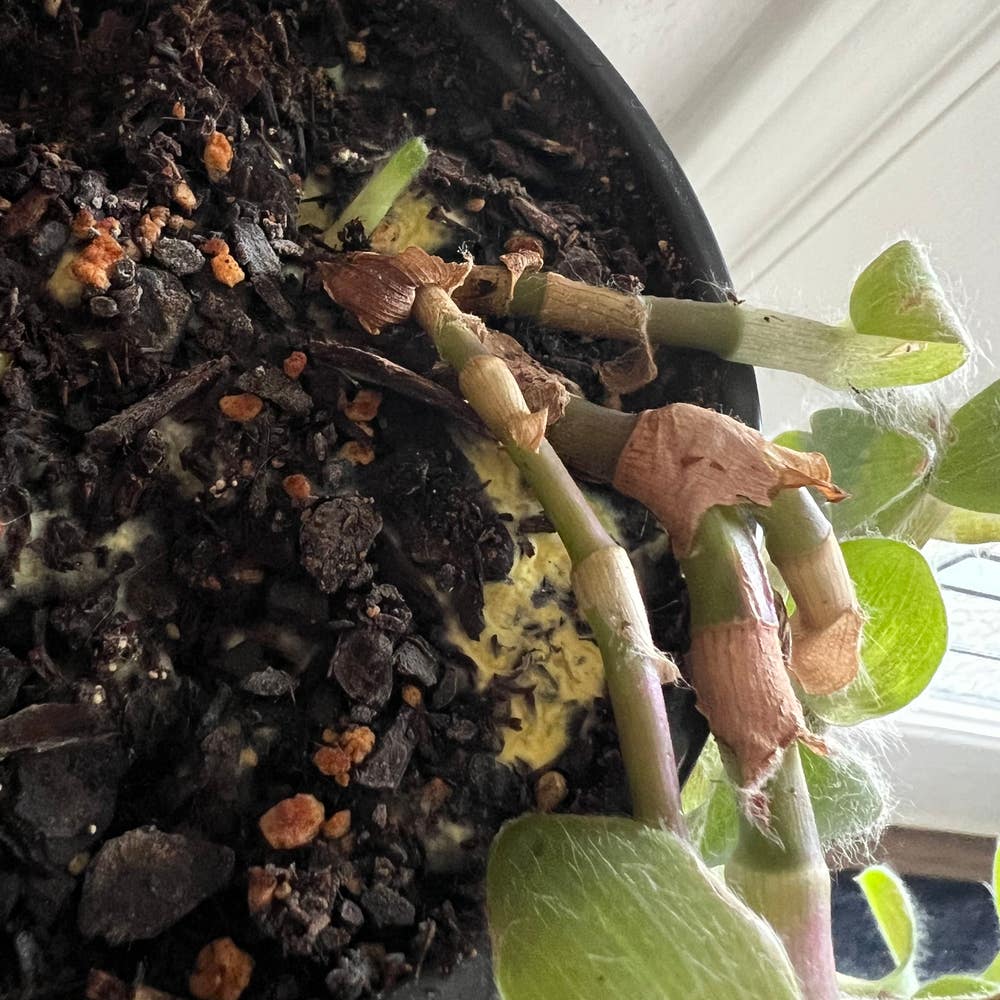
Soggy soil is a telltale sign of overwatering. If your White Velvet's pot feels like a swamp, you've overdone it. Leaves may turn limp and yellow, while roots gasp for air, leading to root rot.
🏜️ Underwatering Unhappiness
Conversely, if the soil is as dry as a bone, your plant is dehydrated. Crispy leaf tips and wilting are the plant's way of crying out for water. Don't let neglect turn your White Velvet into a droopy disappointment.
🌞 Light Laments
Too much sun scorches leaves, causing them to droop in defeat. Not enough light, and they'll sag, stretching out for more. Strike a balance to keep your White Velvet from turning into a light-deprived drama queen.
🌡️ Temperature Tantrums
White Velvet thrives in consistent temperatures. Fluctuations can send your plant into a temper tantrum, with leaves drooping as if to protest. Watch for signs of stress when the mercury swings too high or too low.
🌱 Root-bound Rigidity
If your White Velvet has outgrown its pot, the roots may become constricted, causing leaves to droop. It's like wearing shoes that are too tight—uncomfortable and unhealthy. Recognize when it's time to give those roots some breathing room.

Turning the Tide: Solutions for Perking Up White Velvet
💧 Balancing the Watering Act
Adjusting your watering routine is crucial. If your White Velvet's soil feels like the Sahara, it's time to up the ante with consistent, thorough waterings. Conversely, if it's more swamp than soil, give your plant a dry spell and let the soil breathe. Remember, the goal is moist, not soggy.
🌞 Light Optimization
Finding that sunlight sweet spot is key. White Velvet thrives in bright, indirect light. If it's looking more sunburnt than sun-kissed, move it out of the direct line of fire. No natural light? No problem. Artificial grow lights can be a game-changer.
🌡 Temperature Tweaks
White Velvet doesn't have a taste for extremes. Keep it away from drafts and direct heat sources. The ideal temperature range is comfortably room temperature—think neither a tropical beach nor a winter wonderland. Quick fix for a chilly plant? Move it to a warmer spot.
🌱 Giving Roots Room to Grow
When your White Velvet's roots are packed tighter than a subway at rush hour, it's time to repot. Choose a pot that's a size up and has good drainage. Spread the roots gently in their new abode, and watch your plant perk up as it enjoys its newfound freedom.

Proactive Plant Parenting: Preventing the Droop
💧 Establishing a Watering Schedule
Consistency is your White Velvet's best friend when it comes to watering. Think of it as the plant equivalent of a morning coffee ritual—essential and invigorating. Seasonal shifts mean adjusting the schedule; less is more in winter, while summer might call for a bit more hydration. Mark your calendar; make it as routine as checking your email.
🌞 Monitoring Light and Temperature
Your White Velvet doesn't have a voice, but it's always communicating. Keep an eye out for its silent signals—droopy leaves may mean too much sun or not enough. Regular checks and adjustments ensure it's getting the right amount of light without a sunburn. Temperature-wise, think of your plant as a Goldilocks; it likes it not too hot, not too cold, but just right.
🌱 Regular Repotting Routines
Space is a luxury for roots as much as it is for New Yorkers. When your White Velvet's roots start to circle the pot like sharks, it's time to upgrade its living quarters. Repotting isn't just a chore; it's a chance to refresh the soil and give your plant a new lease on life. Do it annually, or when you see signs of a squeeze, and you'll prevent the dreaded droop.

⚠️ Safety First
This content is for general information and may contain errors, omissions, or outdated details. It is not medical, veterinary advice, or an endorsement of therapeutic claims.
Always consult a qualified healthcare professional before using any plant as food, medicine, or supplement.
Never eat any plant (or feed one to pets) without confirming its identity with at least two trusted sources.
If you suspect poisoning, call Poison Control (800) 222-1222, the Pet Poison Helpline (800) 213-6680, or your local emergency service immediately.
Spotted an error? Please report it here.
Ensure your White Velvet thrives with perfectly-timed 🕒 care reminders from Greg, balancing moisture and light to banish droopiness for good.