What Is A Good Temperature Range For My White Velvet?
Tradescantia sillamontana
By the Greg Editorial Team
Jun 17, 2024•4 min read
This article was created with the help of AI so we can cover more plants for you. May contain errors. See one? Report it here.
Discover the secret to a vibrant White Velvet by mastering its ideal temperature range—your green thumb's new best friend! 🌡️🍃
- 65°F-75°F day, 60°F-65°F night ideal for White Velvet. 🌡️
- Avoid extremes below 50°F or above 80°F to prevent stress and damage.
- Watch for leaf discoloration and wilting as signs of temperature distress.
Dialing in the Perfect Temperature for White Velvet
🌡️ Day and Night: What White Velvet Loves
Daytime delight for White Velvet plants hovers between 65°F and 75°F (18°C and 24°C). These temps keep the plant comfy and photosynthesizing efficiently. Nighttime is a different story; White Velvet prefers to chill a bit, with temperatures ideally dipping to 60°F to 65°F (15°C to 18°C). This cooler environment mimics the natural drop in temperature as the sun sets, helping the plant to conserve energy and moisture.
🌡️ When Things Get Chilly or Toasty
White Velvet is somewhat forgiving but has its limits. It can handle a brief stint outside its comfort zone, but prolonged exposure to temperatures below 50°F (10°C) or above 80°F (27°C) invites trouble. Think of it as a green light for stress signals: leaf drop, wilting, or a general look of "I'm not okay." Consistency is your best friend here; avoid placing your plant near drafty windows or heat sources that could cause sudden temperature swings.

Spotting Trouble: Signs of Temperature Distress
🚨 Visual Red Flags
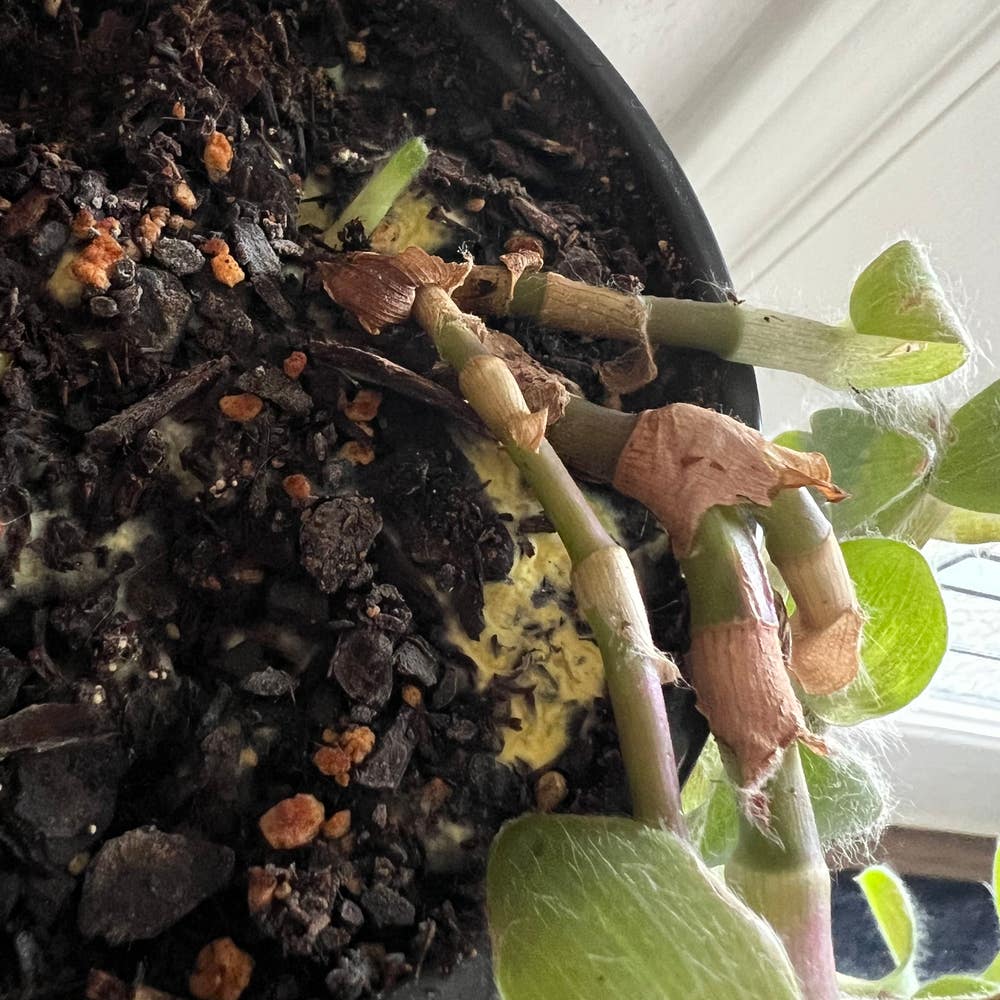
Leaf discoloration in White Velvet plants is a visual alarm bell. When leaves turn yellow or brown, it's not just an aesthetic issue—it's a sign that your plant is uncomfortable. Wilting is the plant's way of saying it's too hot to handle, while leaf drop is its dramatic way of showing it's not cool with the current situation.
🌡️ Long-Term Plant Health Concerns
Extended exposure to the wrong temperatures can turn a White Velvet's life upside down. Stunted growth and a lack of new leaves are like a silent scream for temperature consistency. If you notice your plant's growth has hit a wall, it's time to reassess its environment. Persistent stress can lead to a compromised immune system, making your plant an easy target for pests and diseases. Keep the temperature steady, and your White Velvet will thank you with robust health and vigor.

Common Culprits: What's Messing with Your White Velvet's Comfort Zone?
🌬️ Drafts and Temperature Fluctuations
Drafts are the sneaky villains in the plant world, causing your White Velvet to endure unnecessary stress. Think of drafts as unwanted guests at a party, chilling your plant when it least expects it. To safeguard your green companion, avoid placing it near frequently opened doors or windows.
🌦️ Seasonal Shifts and Indoor Heating/Cooling
Seasonal changes are like mood swings for your White Velvet. As the year progresses, your indoor heating and cooling habits need to adapt. Winter may call for moving your plant away from the icy grip of windows, while summer might mean shielding it from the relentless blast of the AC. Remember, your plant craves stability, much like your dislike for unexpected changes in your daily routine.

A Quick Note on Humidity
Humidity is the silent partner to temperature in the White Velvet's world. It's not just about warmth; it's about moisture in the air. Ideal humidity levels are crucial for your plant's comfort.
💦 Humidity: The Basics
White Velvet plants don't just soak up water from their roots; they bask in the moisture of their environment. Relative humidity (RH) is your metric here, and it's a balancing act.
🎯 The Humidity Sweet Spot
Aim for an RH of 40-60%. This range is the Goldilocks zone—not too dry, not too damp. It's the sweet spot where your White Velvet won't throw a fit with crispy leaves or invite unwanted pests and diseases.
🌡️ Humidity Management
Avoid misting your White Velvet directly; it's like giving your plant a wet blanket, and nobody likes that. Instead, consider a humidifier or grouping plants to create a microclimate. It's a communal moisture boost without the wet foliage.
🌡️ Temperature and Humidity Tango
Remember, as temperatures climb, so does the air's capacity for moisture. Keep this in mind when adjusting your indoor climate. Consistency is key—avoid placing your plant near drafty windows or heaters to prevent a humidity roller coaster ride.
No Direct Misting
Seriously, no misting. Those velvety leaves are not fans of water spots. Think of it as avoiding water stains on your favorite velvet jacket. Keep the leaves dry and the air around it humid.
🌿 Final Touch
Keep a watchful eye on your White Velvet and adjust the humidity as needed. It's less about constant fussing and more about steady vigilance. Your plant will thank you with lush, healthy growth.
⚠️ Safety First
This content is for general information and may contain errors, omissions, or outdated details. It is not medical, veterinary advice, or an endorsement of therapeutic claims.
Always consult a qualified healthcare professional before using any plant as food, medicine, or supplement.
Never eat any plant (or feed one to pets) without confirming its identity with at least two trusted sources.
If you suspect poisoning, call Poison Control (800) 222-1222, the Pet Poison Helpline (800) 213-6680, or your local emergency service immediately.
Spotted an error? Please report it here.
Keep your White Velvet in its happy temperature zone effortlessly with Greg's environment tracking, ensuring it's always cozy & thriving 🌡🌿.