🌼 4 Factors for Optimal White Velvet Growth
Tradescantia sillamontana
By the Greg Editorial Team
Oct 10, 2024•5 min read
This article was created with the help of AI so we can cover more plants for you. May contain errors. See one? Report it here.
Transform your white velvet plants 🌱 into vibrant beauties with essential tips for optimal growth and care!
- 🌞 Optimal light is crucial; provide 6-8 hours of bright, indirect sunlight daily.
- 🌬️ Humidity levels between 60-80% support healthy white velvet growth.
- 🌱 Well-draining soil and proper watering prevent issues like yellowing leaves and root rot.
Optimal Growth Conditions
Choosing the Right Location 🌍
When it comes to growing white velvet plants, location is key. Indoor settings offer controlled environments, while outdoor spaces provide natural light and air circulation.
Container growing adds flexibility, allowing you to move your plants to optimize their exposure to sunlight and protect them from harsh weather.
Light Requirements 💡
Understanding light conditions is crucial for healthy growth. White velvet thrives in bright, indirect sunlight, making it essential to avoid harsh direct rays.
Aim for 6-8 hours of this optimal light exposure daily to keep your plants vibrant and flourishing.
Humidity and Temperature Preferences 🌡️
Humidity plays a significant role in the health of your white velvet. Ideally, maintain humidity levels between 60-80% for optimal growth.
Temperature is equally important; keep your plants in a range of 65°F to 80°F (18°C to 27°C). During colder months, be mindful of drafts that could stress your plants.
By ensuring the right conditions, you set the stage for robust growth and vibrant foliage. Next, let’s explore how to prepare the soil and plant your white velvet for success.
Soil Preparation and Planting
🌱 Ideal Soil Mix
For optimal white velvet growth, start with a well-draining potting mix. A blend of peat, perlite, and orchid bark creates the perfect environment, ensuring your plant thrives.
Proper drainage is crucial. It prevents root rot and promotes healthy growth, allowing your plant to absorb nutrients effectively.
⚖️ Soil pH Requirements
The ideal pH range for white velvet is between 5.5 and 7.0. Maintaining this balance is essential for nutrient uptake.
To test soil pH, use simple methods like pH test strips or digital meters. These tools provide accurate measurements, helping you adjust your soil accordingly.
🪴 Step-by-Step Planting Instructions
- Choose a container with drainage holes. This is vital for preventing water accumulation.
- Prepare the soil mix. Combine peat, perlite, and orchid bark thoroughly for an even texture.
- Fill the container. Leave enough space for the root ball to settle comfortably.
- Planting depth. Position the root ball at the soil surface to encourage healthy growth.
- Water thoroughly. Ensure the soil is moist but not soggy to avoid drowning your plant.
With the right soil preparation and planting techniques, your white velvet will be set for success. Next, let’s explore how to care for your plant through watering and fertilizing.
Watering and Fertilizing
💧 Watering Frequency and Techniques
Watering your white velvet plant is crucial for its health. A good rule of thumb is to water when the top inch of soil feels dry.
You can choose between bottom watering and top watering. Bottom watering allows the roots to absorb moisture gradually, while top watering is straightforward but requires careful attention to avoid soggy soil.
🚨 Signs of Overwatering and Underwatering
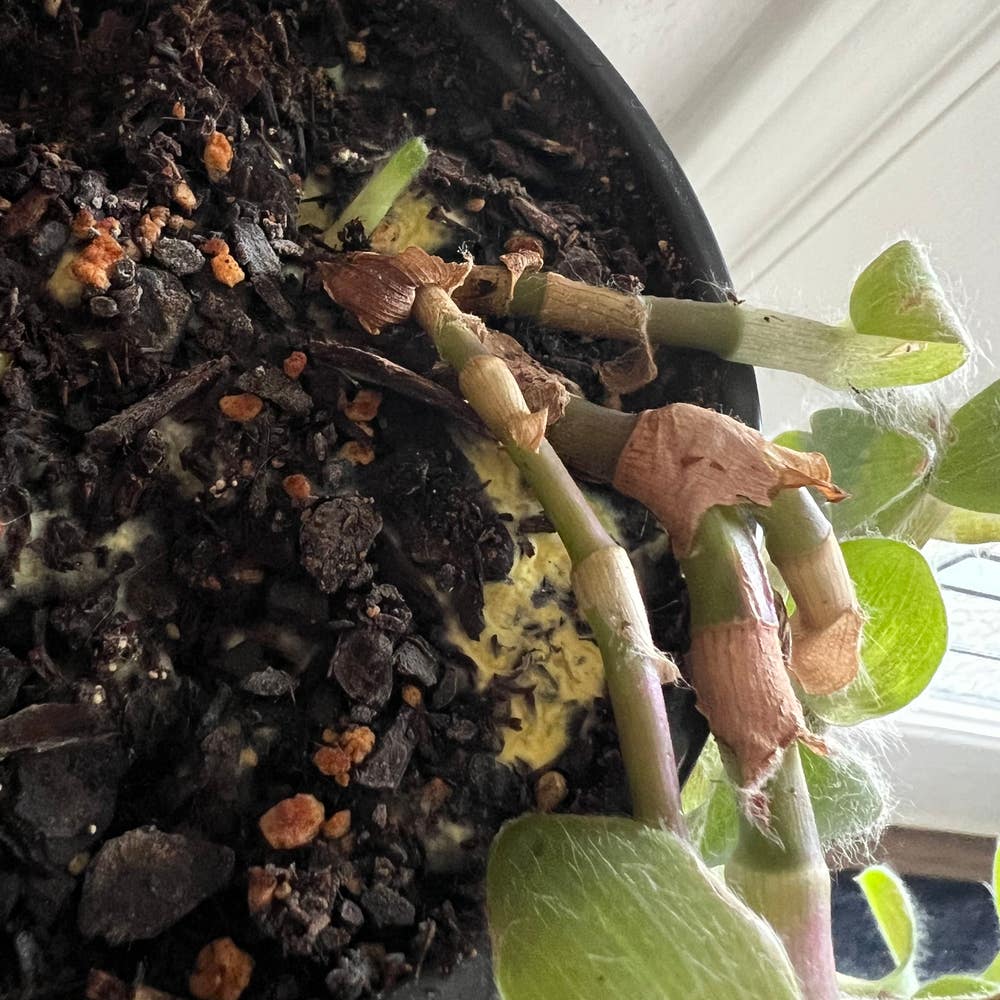
Recognizing the signs of overwatering is essential. Look for yellowing leaves and mushy roots, which indicate too much moisture.
On the flip side, underwatering manifests as wilting and crispy leaf edges. Both extremes can stress your plant, so keep a close eye on its condition.
🌱 Recommended Fertilizers and Feeding Schedule
Using the right fertilizer can make a significant difference in your plant's growth. A balanced liquid fertilizer is ideal during the growing season.
Feed your white velvet every 4-6 weeks from spring to fall. This schedule helps ensure your plant receives the nutrients it needs to thrive.
With proper watering and fertilizing, your white velvet will flourish beautifully. Next, let’s explore pruning and ongoing care to keep your plant in top shape.
Pruning and Ongoing Care
When and How to Prune 🌱
Pruning your white velvet plant is best done in spring or early summer. Use clean, sharp scissors to remove any dead or damaged leaves, promoting healthier growth.
Maintenance Tips for Healthy Growth 🧼
Regular inspections are crucial for catching pests and diseases early. Additionally, wipe the leaves with a damp cloth to remove dust, allowing the plant to breathe better.
Seasonal Care Adjustments 🍂
As seasons change, so should your care routine. In winter, adjust your watering and fertilizing schedule, and consider providing extra humidity during dry months to keep your plant thriving.
With these ongoing care tips, your white velvet will flourish beautifully. Next, let’s explore common challenges you might face and how to tackle them effectively.
Common Challenges and Solutions
🐛 Identifying and Managing Pests
Pests can be a real headache for your white velvet plants. Understanding how to identify and manage them is crucial for maintaining healthy growth.
Common Pests
Spider Mites
These tiny pests often go unnoticed until damage appears. Look for fine webbing and stippled leaves; if you spot them, treat with insecticidal soap or neem oil.
Aphids
Aphids are small, soft-bodied insects that cluster on new growth. You can manage them by spraying with a strong stream of water or using insecticidal soap.
🦠 Addressing Common Diseases
Diseases can quickly derail your plant's health if not caught early. Knowing the symptoms and prevention methods is key.
Root Rot
Symptoms
Watch for wilting, yellowing leaves, and mushy roots. These signs indicate your plant may be suffering from root rot.
Prevention
Ensure you use well-draining soil and avoid overwatering. Proper watering practices can save your plant from this common issue.
🧐 Troubleshooting Growth Issues
Sometimes, your plant may show signs of distress that aren't linked to pests or diseases. Identifying these growth issues can help you get back on track.
Yellowing Leaves
Causes
Yellowing leaves can stem from nutrient deficiencies, overwatering, or insufficient light. Assess your care routine to pinpoint the issue.
Solutions
Adjust your watering schedule, improve light exposure, or consider fertilizing to address nutrient gaps. Small changes can lead to big improvements.
With these insights, you're better equipped to tackle common challenges in white velvet care. Next, let’s explore how to keep your plants thriving through proper pruning and ongoing care.
⚠️ Safety First
This content is for general information and may contain errors, omissions, or outdated details. It is not medical, veterinary advice, or an endorsement of therapeutic claims.
Always consult a qualified healthcare professional before using any plant as food, medicine, or supplement.
Never eat any plant (or feed one to pets) without confirming its identity with at least two trusted sources.
If you suspect poisoning, call Poison Control (800) 222-1222, the Pet Poison Helpline (800) 213-6680, or your local emergency service immediately.
Spotted an error? Please report it here.
Ensure your white velvet thrives in optimal conditions 🌿 with Greg's tailored care reminders and expert tips that make plant parenting a breeze!