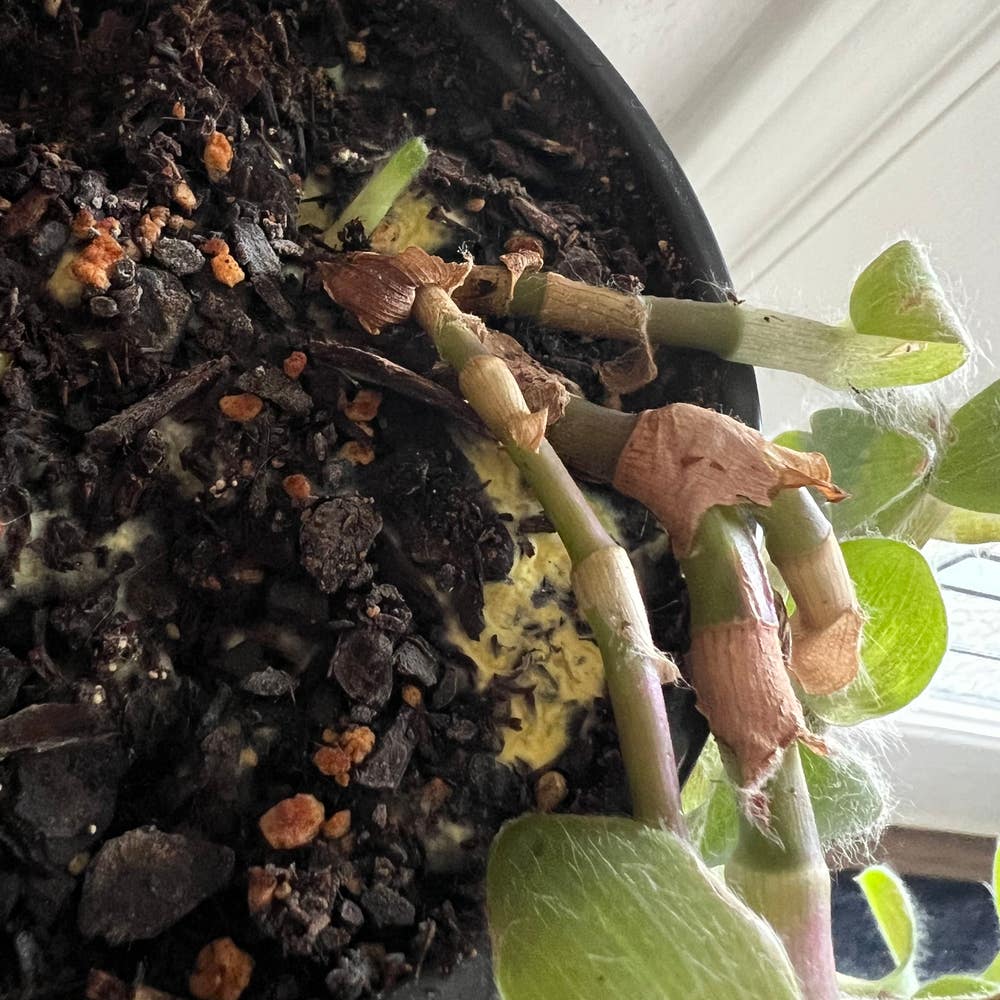
Diagnosing White Velvet Root Rot
Tradescantia sillamontana
By the Greg Editorial Team
Jun 17, 2024•4 min read
This article was created with the help of AI so we can cover more plants for you. May contain errors. See one? Report it here.
Rescue your White Velvet from root rot's grip 🌿 by spotting and halting it early with our guide!
- Yellow leaves, drooping, and foul odor signal root rot in White Velvet.
- Prune damaged roots; repot with drainage for immediate treatment.
- Consistent care and controlled environment prevent future root rot.
Spotting the Red Flags: Symptoms of Root Rot
🚩 Visual Clues
Yellowing leaves on your White Velvet plant are warning signals, not just a quirky phase. When leaves droop like a disappointed parent, it's a visual cue to get your hands dirty and investigate further.
👃 Sniff Test
Trust your nose when it tells you something's off. A foul odor from the soil is your olfactory system waving a red flag. If it smells like something died in the pot, root rot might be the culprit.
✋ The Touch Test
Roots should be firm, not reminiscent of overcooked pasta. If they feel mushy or slimy, that's a tactile confirmation of root rot. It's like a handshake with a plant telling you it's in trouble.

Unearthing the Problem: How to Inspect White Velvet Roots
🌱 Gentle Extraction
To safely inspect your White Velvet's roots, you'll need to play plant surgeon. Begin by tipping the pot sideways and easing the plant out. If it's stubborn, tap the pot's edges or roll it gently on a flat surface to loosen the grip. Once out, cradle the stem base and let the root ball guide itself into your other hand.
🕵️♂️ Root Assessment
Now, it's showtime for the roots. Healthy roots are the supermodels of the plant world: firm, white, and well-hydrated. If they're looking like leftovers from last week's dinner—brown, mushy, or smelly—it's time to grab those pruning shears. Snip away the damaged parts with the precision of a bonsai artist. Remember, it's not just about survival; it's about giving your plant a runway-worthy root system.

First Aid for Your White Velvet: Immediate Treatment Steps
✂️ Pruning the Damage
Snip the rot, keep the lot. That's the mantra when you're dealing with root rot. After you've gently coaxed your White Velvet out of its pot, it's time for a root reckoning. Healthy roots are the color of fresh cream and feel like firm string cheese. Anything that's brown, black, or has the texture of a horror movie swamp creature needs to go. Use sterilized shears and cut with decisive compassion—your plant's life depends on it.
🏡 Fresh Start with Repotting
Once you've pruned the roots, it's time to give your plant a new home. Choose a pot that's just right—not too big, not too small, and definitely one with drainage holes. Think of Goldilocks, but for plants. The soil? It's got to be well-draining. Mix in some perlite or coarse sand if you have to. When repotting, remember the plant's root ball should sit at the same level it did in the old pot—no deeper, no higher. Tuck it in snugly with soil, but don't compact it like you're packing for a trip. Roots need to breathe, too.

Water Wisely: Adjusting Irrigation to Combat Root Rot
💧 Fine-Tuning Watering Frequency
To prevent the insidious onset of root rot, balance is your mantra when watering White Velvet plants. Overzealous watering schedules can drown roots, while too little leaves them parched. Check the soil's top inch; if it's dry, it's time to water. If it clings to your finger with the desperation of a wet sponge, hold off. Remember, your plant's thirst isn't dictated by the calendar—it's a responsive dance, not a downpour.
🚰 The Role of Drainage
Drainage holes are your plant's lifeline, the unsung heroes in the fight against root rot. They're the getaway cars for excess water, making sure your White Velvet's feet aren't left soaking. And the soil? Think of it as the plant's mattress—aim for well-draining mixes that don't cling to moisture like a bad habit. Adding perlite or sand can transform a soil mix from a swamp to a breathable bed, ensuring roots stay aerated and, most importantly, alive.
Keeping Root Rot at Bay: Long-Term Prevention Strategies
💧 Consistent Care Routine
Watering your White Velvet should be more regular than your morning coffee ritual. Tailor a schedule that fits the plant's needs like a glove. It's about hitting that sweet spot where the soil is neither the Sahara nor a swamp.
🌬 Environmental Control
Humidity and air circulation aren't just buzzwords; they're your plant's lifelines. Keep the air moving like a soft summer breeze and humidity levels steady. Overcrowding is a no-go; give your plant the personal space it craves.
Remember, prevention is about playing the long game. It's not about being perfect, but about being attentive and adaptable. Keep your eyes peeled and your care consistent, and your White Velvet will thank you with its lush, healthy presence.
⚠️ Safety First
This content is for general information and may contain errors, omissions, or outdated details. It is not medical, veterinary advice, or an endorsement of therapeutic claims.
Always consult a qualified healthcare professional before using any plant as food, medicine, or supplement.
Never eat any plant (or feed one to pets) without confirming its identity with at least two trusted sources.
If you suspect poisoning, call Poison Control (800) 222-1222, the Pet Poison Helpline (800) 213-6680, or your local emergency service immediately.
Spotted an error? Please report it here.
Keep your plants' roots healthy and rot-free 🌱 by using Greg's personalized care plans to ensure proper watering and prevent root rot from taking hold.