🌼 White Velvet Wilting: Causes and Solutions
Tradescantia sillamontana
By the Greg Editorial Team
Sep 30, 2024•5 min read
This article was created with the help of AI so we can cover more plants for you. May contain errors. See one? Report it here.
Revive your wilting White Velvet plant 🌱 with expert tips to help it thrive and flourish at home!
- 🌊 Wilting in White Velvet plants stems from water stress, heat, or diseases.
- 🌡️ Heat stress causes curling leaves; relocate to a shadier spot for relief.
- 🧪 Diagnose wilting by checking soil moisture and inspecting for pests or diseases.
Common Causes of Wilting Leaves
💧 Water Stress
Overwatering
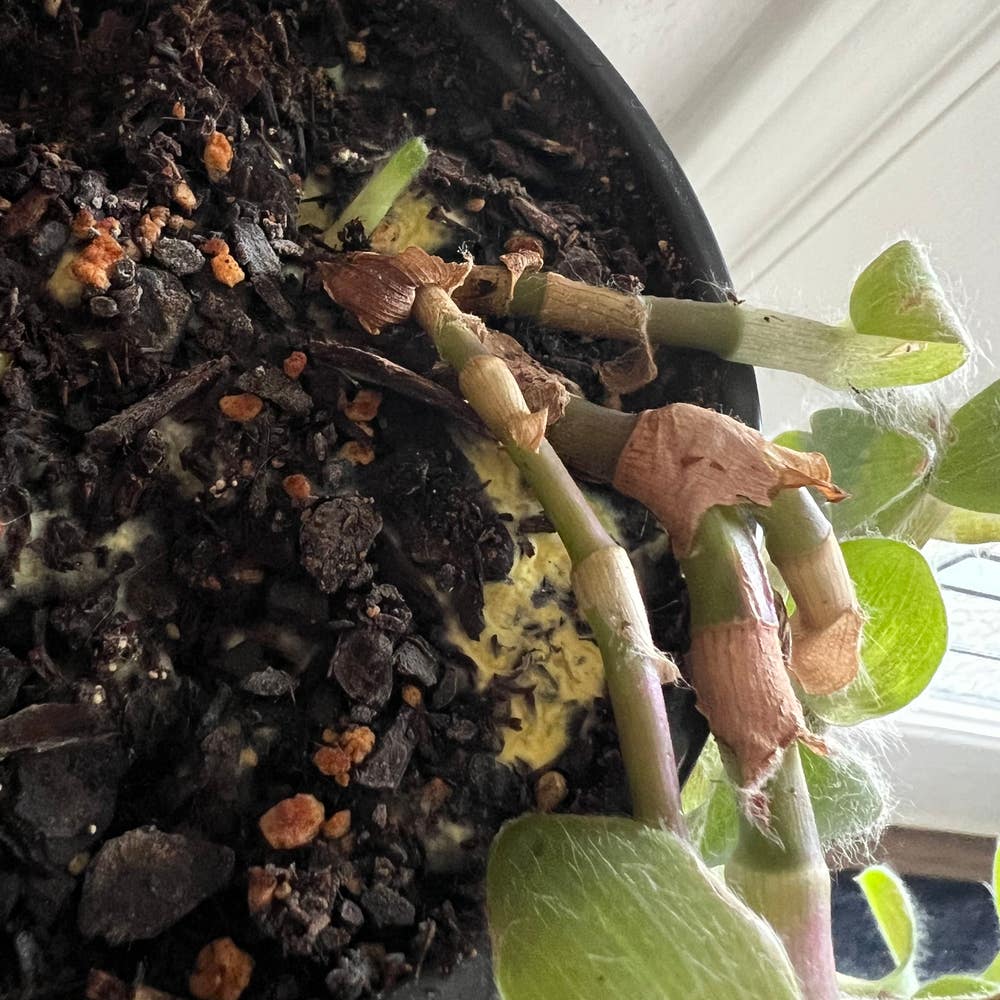
Overwatering can lead to yellowing leaves and mushy stems. This often happens due to poor drainage or compacted soil, which traps excess moisture around the roots.
Underwatering
On the flip side, underwatering results in dry, crispy leaves and drooping stems. This typically occurs from infrequent watering or dry air, leaving your plant parched.
🌡️ Heat Stress
Heat stress manifests as curling leaves and browning edges. Direct sunlight and high temperatures are the main culprits, especially for White Velvet, which is particularly sensitive due to its native habitat.
🦠 Disease-Related Wilting
Common diseases like root rot and fungal infections can also cause wilting. You might notice wilting even when watering adequately, along with discoloration, but these issues are rare in well-cared-for plants.
Understanding these causes is essential for effective plant care. By identifying the root of the problem, you can take the necessary steps to revive your White Velvet and keep it thriving.
Diagnosing Wilting
Step-by-Step Guide to Diagnosis 🌱
Diagnosing wilting in your White Velvet plant starts with assessing your watering habits. Check the soil moisture level and note the last time you watered.
Next, evaluate the environmental conditions. Measure the temperature and humidity levels, and observe how much light your plant receives.
Inspect for pests and diseases by looking for signs of infestation or fungal growth. This can be crucial in identifying underlying issues.
Finally, check for root health. Gently remove the plant from its pot to inspect the roots for any signs of rot or damage.
Signs to Look for in Wilting Leaves 👀
Pay attention to the leaf texture; softness or crispiness can indicate stress.
Color changes, such as yellowing or browning, are also key indicators of wilting.
Additionally, observe the growth patterns. Stunted growth or a leggy appearance can signal that your plant is struggling.
By following these steps, you can effectively diagnose the cause of wilting in your White Velvet and take appropriate action. This proactive approach will help ensure your plant thrives in the long run.
Solutions for Wilting Leaves
Wilting leaves can be distressing, but with the right approach, you can restore your White Velvet plant to its former glory. Here’s how to tackle the most common causes of wilting.
🧑🌾 Actionable Advice for Each Potential Cause
🌊 Addressing Water Stress
Overwatering:
If your plant is suffering from overwatering, the first step is to let the soil dry out before you water again. Consider repotting your plant in well-draining soil to improve drainage and prevent future issues.
Underwatering:
For underwatering, increase your watering frequency to ensure the soil remains consistently moist. A moisture meter can be a handy tool to help you gauge when your plant needs a drink.
🔥 Tackling Heat Stress
Relocation:
If heat stress is the culprit, try moving your plant to a shadier spot or providing filtered light. This simple change can make a big difference in your plant's health.
Humidity Boost:
Increasing humidity around your plant can also help. Use a humidity tray or mist the leaves regularly to create a more favorable environment.
🦠 Managing Disease-Related Wilting
Root Rot Treatment:
For disease-related wilting, treat root rot with fungicides and ensure proper drainage. It’s crucial to remove any affected leaves to promote better air circulation.
🌱 Techniques for Reviving a Wilted Plant
Bottom watering:
Fill a tray with water and place the pot in it for about 30 minutes. This method allows the soil to absorb moisture from the bottom up.Temporary relocation:
Move your plant to a more suitable environment with stable humidity and temperature. A little change can rejuvenate your plant.Pruning damaged leaves:
Use clean, sharp scissors to remove any wilted or dead foliage. This not only improves appearance but also encourages new growth.
By following these solutions, you can effectively address the wilting of your White Velvet plant. Next, let’s explore preventive measures to minimize future wilting episodes.
Preventive Measures
Tips to Minimize Future Wilting Episodes 🌱
To keep your White Velvet thriving, regularly monitor soil moisture. Adjust your watering schedule based on the plant's needs to prevent both overwatering and underwatering.
Maintaining stable environmental conditions is crucial. Avoid drastic temperature changes that can stress your plant and lead to wilting.
Environmental Adjustments 🌬️
Consider using a humidifier to keep humidity levels between 50-70%. This helps create a comfortable atmosphere for your plant, reducing the risk of wilting.
Position your plant away from drafts and direct heat sources. A stable environment will promote healthy growth and minimize wilting episodes.
By implementing these preventive measures, you can foster a thriving White Velvet that remains vibrant and healthy. Next, let’s explore when it’s time to seek expert assistance for your plant care needs.
When to Seek Help
Signs That Require Expert Assistance 🆘
Sometimes, despite your best efforts, your White Velvet may still struggle. If you notice persistent wilting even after following care guidelines, it’s time to consider seeking help.
Additionally, look out for severe signs of pest infestation or disease. If your plant shows unusual discoloration or you spot pests, don’t hesitate to reach out for expert advice.
Resources for Plant Care Support 🌱
Local nurseries can be a goldmine for expert advice tailored to your specific plant needs. They often have knowledgeable staff who can provide insights based on firsthand experience.
Online plant care communities are another fantastic resource. These platforms allow you to connect with fellow plant enthusiasts who can share tips, tricks, and support for your wilting woes.
By leveraging these resources, you can ensure your White Velvet gets the care it needs to thrive.
⚠️ Safety First
This content is for general information and may contain errors, omissions, or outdated details. It is not medical, veterinary advice, or an endorsement of therapeutic claims.
Always consult a qualified healthcare professional before using any plant as food, medicine, or supplement.
Never eat any plant (or feed one to pets) without confirming its identity with at least two trusted sources.
If you suspect poisoning, call Poison Control (800) 222-1222, the Pet Poison Helpline (800) 213-6680, or your local emergency service immediately.
Spotted an error? Please report it here.
Revive your White Velvet plant from wilting woes by using Greg's tailored care tips and moisture alerts to keep it lush and thriving 🌿 all year long!