Best Potting Soil Mix for White Velvet
Tradescantia sillamontana
By the Greg Editorial Team
Jun 17, 2024•4 min read
This article was created with the help of AI so we can cover more plants for you. May contain errors. See one? Report it here.
Nurture a lush White Velvet 🌿 by mastering the perfect soil mix to dodge decay and champion growth!
- Yellow leaves or crisp tips? Soil issues may be the culprit for White Velvet.
- Well-draining mix with organic matter is key for White Velvet's health.
- DIY soil mix tip: Sterilize at 200°F to prevent mold and pathogens.
Spotting Trouble: When White Velvet's Soil Goes Wrong
🚩 Signs Your White Velvet is Unhappy with Its Soil
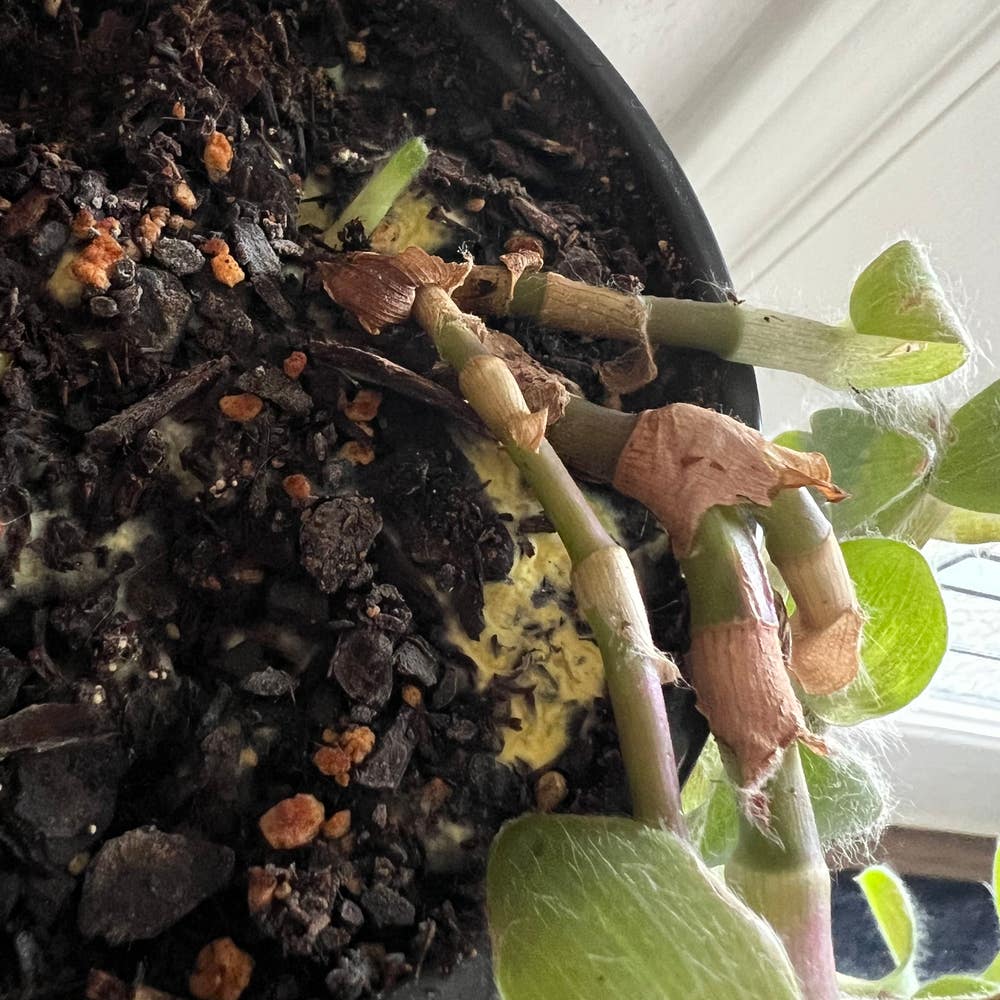
Yellowing leaves or crisp tips could mean your White Velvet is giving you the silent treatment about its soil situation. Mold growth or an unexpected mushroom farm are SOS signals from your soil, hinting at overwatering or a drainage disaster. And if a whiff of your plant's base reminds you of that forgotten gym bag, you're dealing with decay.
🛠 Quick Fixes for Common Soil Problems
When your soil feels like a soggy sponge, it's time for some tough love. Perlite or coarse sand can be your best friends here, opening up the airways for your plant's roots. If you're dealing with a fungal fiesta, don't just stand there—baking soda and liquid soap can be your DIY mildew busters. For the persistent problems, a copper-based fungicide or an all-purpose fungicide might just be the hero you need. Remember, always follow the label instructions to the letter.

The Perfect Potting Mix: What White Velvet Loves
🌱 Key Ingredients for White Velvet's Potting Mix
White Velvet thrives in a well-draining mix, a non-negotiable for its health. Organic matter is a must; think coco coir or peat moss for moisture retention without waterlogging. Perlite or vermiculite is the secret sauce for aeration, keeping roots oxygenated. A sprinkle of coarse sand adds grit, improving drainage and mimicking natural habitats. Together, these components create a hospitable environment for White Velvet's roots.
🌡️ Getting the pH Just Right
The pH of the soil can make or break your White Velvet's mood. Aim for a slightly acidic to neutral range, typically between 6.0 and 7.0. Limestone can be a pH balancer, nudging the soil towards that sweet spot. Regularly testing the pH and adjusting accordingly ensures your White Velvet won't throw a fit over unsuitable living conditions.

DIY Soil Mix: Crafting the Ultimate White Velvet Bed
🌱 Homemade Mix Recipe
Creating your own White Velvet potting mix is like becoming a chef for your plant. Here's how to whip up a gourmet soil that'll make your White Velvet thrive:
- Begin with a base of all-purpose potting soil.
- Add one part perlite for aeration, to avoid the dreaded root rot.
- Mix in one part sphagnum peat moss for moisture retention and pH balance.
- For a nutritional boost, sprinkle in half a cup of worm castings or compost.
- Consider a dash of coarse sand for improved drainage.
- Combine the ingredients thoroughly until you have a uniform mix.
🧼 Sterilizing Your Mix to Keep It Fresh
To prevent mold and pathogens in your homemade soil:
- Preheat your oven to 200°F (93°C).
- Spread your soil mix on a baking sheet and bake for 30 minutes. This will sterilize the soil.
- Let the soil cool down completely before using it to pot your White Velvet.
Remember, sterilization is crucial unless you want a mini ecosystem of microbes partying in your plant's pot.

Watering Wisdom: Balancing Moisture in White Velvet's Soil
💦 Recognizing Overwatered Soil
Yellowing leaves and mushy stems are tell-tale signs your White Velvet's soil is too wet. A foul odor or wilting leaves can also signal trouble. If the soil feels more like a swamp than a moist cradle for roots, it's time to take action.
🚰 Adjusting Your Watering Routine
To prevent your White Velvet from drowning in excess love, check the top inch of soil before watering. If it's dry, go ahead; if not, put the watering can down. Consistency is key, but so is adapting to your plant's needs and the environment it's in. Remember, this isn't a soup kitchen; your plant doesn't need a constant fill-up.
⚠️ Safety First
This content is for general information and may contain errors, omissions, or outdated details. It is not medical, veterinary advice, or an endorsement of therapeutic claims.
Always consult a qualified healthcare professional before using any plant as food, medicine, or supplement.
Never eat any plant (or feed one to pets) without confirming its identity with at least two trusted sources.
If you suspect poisoning, call Poison Control (800) 222-1222, the Pet Poison Helpline (800) 213-6680, or your local emergency service immediately.
Spotted an error? Please report it here.
Revitalize your White Velvet's growth with customized 🌿 soil and watering plans from Greg, ensuring your plant thrives in its unique environment.