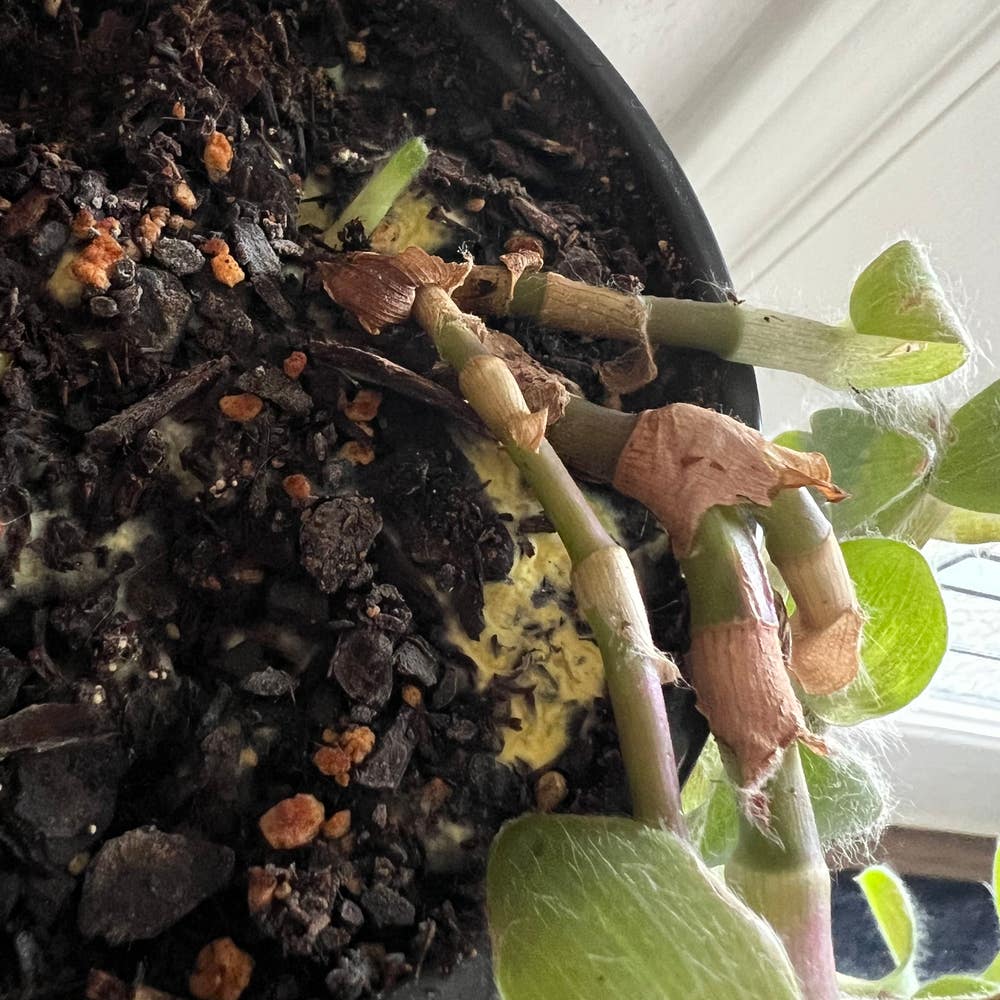
Should I Repot My White Velvet And If So, How?
Tradescantia sillamontana
By the Greg Editorial Team
Jun 17, 2024•3 min read
This article was created with the help of AI so we can cover more plants for you. May contain errors. See one? Report it here.
Discover the secret to a thriving White Velvet 🌿 by mastering the timely art of repotting!
- Root crowding and stagnant growth signal it's time to repot.
- 🌱 Terracotta pots are ideal for White Velvet's health.
- Monitor moisture and light post-repotting for a smooth transition.
When It's Time for a New Pot
🌱 Spotting the Telltale Signs
Roots making a break for it outside the pot? That's your White Velvet crying out for a new pad. If you've noticed that watering your plant feels like pouring water through a colander, it's time to upgrade.
Stagnant growth is another red flag. Like a teenager in a growth spurt, your plant craves space to stretch. If it's not shooting up like it used to, consider that a sign.
🌿 Listening to Your Plant
Yellowing leaves or a top-heavy posture that makes your plant look like it's had one too many? These are your White Velvet's way of saying, "Help, I'm stuck!"
Adjust your watering schedule if the soil feels like the Sahara or a swamp. It's all about finding that Goldilocks zone – not too dry, not too wet. Keep a vigilant eye; your plant's survival depends on it.

Picking the Perfect Pot
💨 Material Matters
Terracotta pots are a White Velvet's ally, thanks to their breathability. They prevent root rot by allowing excess moisture to escape, which is essential for the health of your plant. Plastic pots, on the other hand, retain moisture longer and are lighter, but they can lead to waterlogged soil if you're not careful with watering. Ceramic pots strike a balance, offering less porosity than terracotta but with a variety of designs to complement your decor.
Size and Space
Choosing the right size for your White Velvet's new pot is crucial. A pot that's too large can cause soil to stay wet too long, risking root rot. Conversely, a pot that's too small won't give your plant room to grow. As a rule of thumb, opt for a pot that's about 1-2 inches larger in diameter than the current one. This ensures enough space for growth without the risk of overwatering.

The Repotting Rundown
🌱 Pre-Repotting Prep
Before diving into the repotting process, assemble your tools: potting mix, a new pot, and a trusty trowel. Clear a workspace and lay out some newspaper to catch any mess.
🌿 The Gentle Uproot
It's time to evict your White Velvet from its current pot. Tilt the pot and coax the plant out with care, avoiding a wrestling match with the roots. If they resist, run a knife around the inside edge to encourage a peaceful surrender.
🏡 Home Sweet New Home
Welcome your White Velvet to its upgraded digs with a layer of fresh soil. Center the plant in the new pot and backfill with soil, tamping down lightly to eliminate air pockets. Remember, it's a pot, not a straitjacket—don't pack the soil too tight.

Immediate Aftercare
🌱 The First Few Days
After the repotting shuffle, your White Velvet's roots are as vulnerable as a newborn. Monitor the soil moisture like a hawk; it should be moist, but not a swamp. Direct sunlight? Not now. Think of it as putting your plant in the recovery room—indirect light is the way to go. And fertilizer? Forget about it for now. Your plant's getting its bearings; let's not add a food coma to the mix.
Long-Term Love
Once your White Velvet starts to perk up, it's time to settle into a new care routine. Like a plant's version of a wellness check-up, observe any changes in growth or leaf color. Adjust watering as needed, because now your plant's drinking habits might be different. And remember, just because it's in a new pot doesn't mean it's ready for a plant party. Ease it into its new life, and you'll be rewarded with a lush, happy companion.
⚠️ Safety First
This content is for general information and may contain errors, omissions, or outdated details. It is not medical, veterinary advice, or an endorsement of therapeutic claims.
Always consult a qualified healthcare professional before using any plant as food, medicine, or supplement.
Never eat any plant (or feed one to pets) without confirming its identity with at least two trusted sources.
If you suspect poisoning, call Poison Control (800) 222-1222, the Pet Poison Helpline (800) 213-6680, or your local emergency service immediately.
Spotted an error? Please report it here.
Repot your White Velvet at just the right time 🌱 with Greg's tailored reminders and care tips, ensuring a seamless transition to its new home.