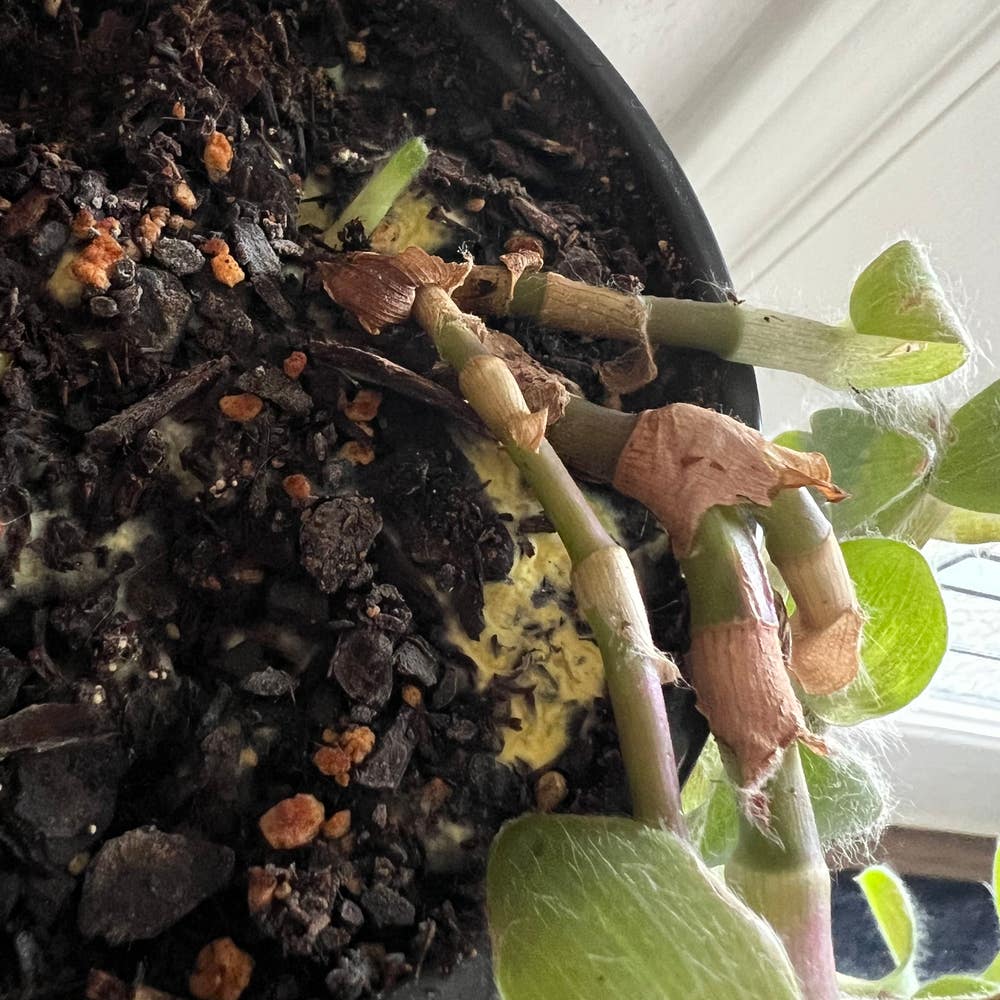
Why Are My White Velvet Leaves Mushy? 💧
Tradescantia sillamontana
By the Greg Editorial Team
Jun 17, 2024•5 min read
This article was created with the help of AI so we can cover more plants for you. May contain errors. See one? Report it here.
Prevent mushy White Velvet leaves 🍂 by tackling root causes and mastering care tips.
- Overwatering leads to mushy leaves, causing drooping, yellowing, and root rot.
- Fungal infections worsen mushiness, thriving in damp conditions and poor air circulation.
- Prevent issues with proper care: monitor watering, improve drainage, and prune affected areas.
Impact of Mushy Leaves
🚱 Effects on Plant Health
Mushy leaves on your White Velvet plant are more than just an aesthetic issue; they're a red flag for health. When leaves turn to mush, it's a sign that the plant is in distress, potentially suffering from overwatering, root rot, or fungal infections. Each of these can stunt growth or even lead to the demise of your beloved plant if not addressed promptly.
Overwatering is the usual suspect, creating an environment where roots can't breathe, leading to a cascade of health issues. The plant's leaves may droop, yellow, or become mushy as they succumb to the excess moisture.
Root rot sneaks in when overwatering goes unchecked, attacking the root system and causing the plant to absorb water inefficiently. This can lead to a mushy texture in leaves as the plant's internal structures break down.
Fungal infections thrive in damp conditions, and a White Velvet with mushy leaves could be waving a white flag of surrender to these microscopic invaders. Fungi can spread quickly, turning leaves into a mushy mess and compromising the plant's structural integrity.
To keep your White Velvet in tip-top shape, it's crucial to monitor watering and ensure the soil has proper drainage. If you spot mushy leaves, take action immediately to prevent further damage. Remember, a mushy leaf today could mean a plant in peril tomorrow.

Common Causes of Mushy Leaves
💦 Overwatering
Overwatering is the arch-nemesis of the White Velvet plant's leaves. When you're more generous with water than a grandparent at Christmas, you risk drowning the roots. Soggy soil is a telltale sign, along with leaves that feel like overripe peaches. To avoid this, let the soil dry out like a desert between waterings.
🌱 Root Rot
When roots get more soaked than a sponge in a bathtub, they start to rot. This is the silent killer, lurking beneath the soil. Blackened roots and a stench like last week's leftovers are the SOS signals. Prevention? Think of water as whiskey – too much and things go south. Treat affected plants by cutting away the rot and repotting in fresh, well-draining soil.
🍄 Fungal Infections
Fungi love moist environments as much as mold loves bread. Mushy leaves can be the aftermath of a fungal rave. If you spot any powdery or fuzzy outgrowths, it's time to play doctor. Keep the air moving around your plant and consider a fungicide as a bouncer to keep unwanted guests out.

Light and Temperature Considerations
🌞 Impact of Light Conditions
Bright, indirect sunlight is the sweet spot for White Velvet plants. Too much sun can lead to scorched leaves, while too little can cause them to become limp and lifeless. Avoid direct sunlight that can be too harsh for these delicate leaves.
Role of Temperature
Temperature swings are a no-go. White Velvet plants prefer stability. Keep the thermometer steady; abrupt changes can lead to mushy leaves. Aim for a consistent temperature that mimics the plant's natural habitat, avoiding extremes that stress the plant out.

Corrective Measures
💧 Adjusting Watering Practices
Check the soil's moisture level before you water—your plant's thirst isn't on a calendar. Ensure the soil is dry before giving it another drink. This prevents overwatering, a common cause of mushy leaves.
🌱 Soil and Drainage Improvement
Improve drainage to combat waterlogging. Mix perlite, vermiculite, or sand into your soil. Consider a pot with adequate drainage holes or a soil refresh if the current mix retains too much moisture.
✂️ Pruning and Trimming
Prune affected leaves and stems to redirect the plant's energy towards healthy growth. Regular grooming encourages the plant to focus on new, healthy leaves, aiding in recovery and vitality.
Preventative Strategies
💧 Proper Watering Schedule
Consistency is key. Establish a watering routine that takes into account the unique thirst of your White Velvet plant. Adjust for seasonal shifts in humidity and temperature. Remember, over-loving with water can drown the roots, so let the soil dry out a bit between drinks.
🌱 Soil Selection
Choose well-draining soil to give your plant's roots room to breathe. A mix that's too clingy can smother them, leading to mushy leaves. Aim for the Goldilocks zone – a soil that retains moisture without acting like a wet blanket.
🏗️ Soil Composition
Incorporate materials like perlite or sand to improve drainage. These are the unsung heroes in the battle against water retention. They're like the bouncers at the club, letting the right amount of water stick around and telling the excess to hit the road.
💨 Humidity and Air Circulation
Humidity is a double-edged sword. Too much, and you're hosting a fungal fiesta; too little, and your White Velvet might start to crisp up. Strike a balance with a humidifier or a pebble tray, but keep the air moving. Stagnant air is the enemy – it's like a stagnant party, nobody wants that.
🌬️ Keeping it Breezy
Ensure good airflow around your plant. A gentle fan can work wonders, like a soft whisper that keeps the leaves dry and the fungi at bay. It's the plant equivalent of a refreshing breeze on a hot summer day.
⚠️ Safety First
This content is for general information and may contain errors, omissions, or outdated details. It is not medical, veterinary advice, or an endorsement of therapeutic claims.
Always consult a qualified healthcare professional before using any plant as food, medicine, or supplement.
Never eat any plant (or feed one to pets) without confirming its identity with at least two trusted sources.
If you suspect poisoning, call Poison Control (800) 222-1222, the Pet Poison Helpline (800) 213-6680, or your local emergency service immediately.
Spotted an error? Please report it here.
Prevent mushy White Velvet leaves with Greg's precise watering reminders 🚫💧, ensuring your plant's health by avoiding overwatering and root rot.