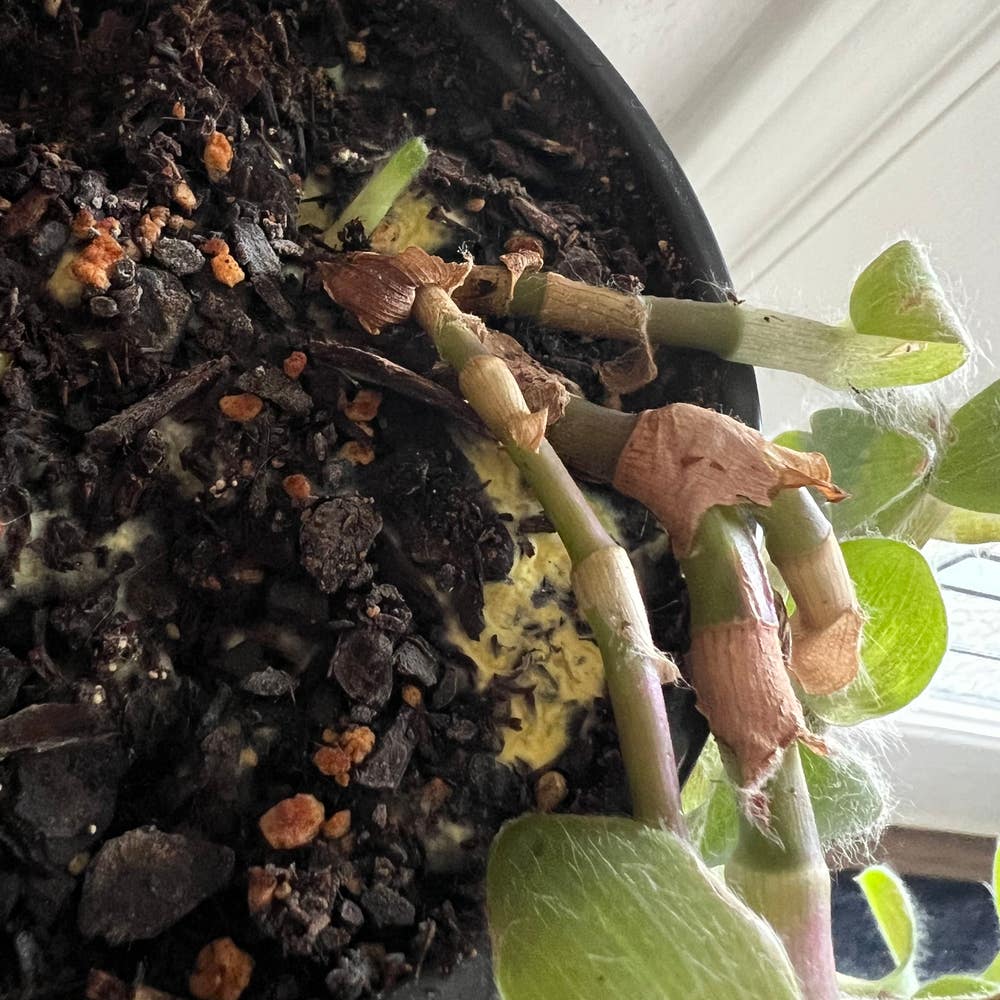
Why Are My White Velvet Leaves Curling?
Tradescantia sillamontana
By the Greg Editorial Team
Jun 17, 2024•4 min read
This article was created with the help of AI so we can cover more plants for you. May contain errors. See one? Report it here.
Unravel the mystery behind your White Velvet's leaf curl 🍃 and learn to keep it thriving and flat-leaved!
- 🌱 Leaf curling signals distress; check soil moisture and leaf condition.
- 🌡️ Stabilize temperature and humidity to prevent curling from environmental stress.
- 🕵️♂️ Inspect for pests and adjust nutrients to address advanced curling causes.
Spotting the Signs: When Your White Velvet is Unhappy
🌿 Recognizing Leaf Curling
Leaf curling in White Velvet plants can look like a miniature scroll or a gymnast's ribbon in mid-twirl. It's not just an aesthetic issue; it's a distress signal. Natural variations in leaves are one thing, but when they start to mimic a rolled-up yoga mat, it's time to take note.
🕵️ Quick Checks
When you spot those tell-tale curls, don't just stand there—act. Check the soil moisture; is it the Sahara Desert or a Louisiana swamp? Feel the leaves; are they crispy like overcooked bacon or limp like a forgotten salad? Your plant's not just being dramatic; it's communicating.

The Usual Suspects: Common Causes of Leaf Curling
💧 Thirsty Roots or Drowning?
Watering your White Velvet plant is a bit like a teeter-totter, it's all about balance. Underwatering leads to leaves curling inward, a desperate attempt to conserve moisture. Overwatering, however, can suffocate roots, leaving leaves yellow and curled.
🌡️ It's Getting Hot in Here
White Velvet plants can throw a fit when temperatures fluctuate. Too hot, and leaves curl up as if trying to escape the heat. Stabilizing the temperature around your plant prevents these dramatic responses, ensuring leaves stay cool and collected.
💨 A Breath of Fresh Air
Humidity and airflow are the unsung heroes of leaf health. Too dry, and your plant's leaves might curl and crisp up like autumn leaves. On the other hand, poor airflow can invite pests and diseases, leading to curling leaves. Keep the air moving and the humidity just right to avoid these issues.

Nip it in the Bud: Addressing the Root Causes
💧 Fine-Tuning Watering Practices
Watering your White Velvet is less about sticking to a rigid schedule and more about adapting to its needs. Start by feeling the soil; if the top inch is dry, it's time to water. Use the soak and dry method, thoroughly watering until excess drains, then wait until the soil dries out again. This mimics natural conditions, where a hearty rain is followed by a drying period.
Remember, your plant isn't a fan of wet feet. Overwatering can lead to root rot, so if the roots are looking more like overcooked noodles than firm, white strands, it's time for some tough love. Trim the damaged roots and repot in fresh, well-draining soil.
🌡️ Creating a Stable Environment
Your White Velvet craves consistency. Avoid placing it near air conditioners or heaters, which can create a botanical roller coaster of temperature fluctuations. Aim for a stable environment, where the temperature and humidity don't swing more wildly than your mood on a Monday morning. If you're dealing with high humidity, consider a dehumidifier; for low humidity, a pebble tray or humidifier can be a lifesaver.
🌞 The Right Light
Light is like a double-edged sword for your White Velvet; too much and you'll scorch it, too little and it'll sulk. Aim for that sun-kissed glow of bright, indirect light. If your plant is throwing shade by curling its leaves, it might be telling you it's had too much sun. Conversely, if it's stretching out like it's trying to snag the last cookie from the jar, it's likely craving more light. Adjust its position as needed, and watch as it thanks you by flourishing.

Beyond the Basics: Advanced Troubleshooting
🐛 Uninvited Guests: Pests and Pathogens
Pests and diseases are the ninjas of the plant world—silent, but deadly to your White Velvet's leaves. Mealybugs, spider mites, and various fungal issues can sneak in and cause that dreaded leaf curling. Regular plant check-ups are your best defense; catch these critters early, and you're one step closer to plant peace.
For bugs, think of insecticidal soaps and neem oil as your plant's personal bodyguards. Apply them with the precision of a surgeon to hit every potential pest hideout. And when it comes to fungal foes, act fast. Isolate, remove infected parts with sterilized precision, and bring out the fungicide—but always follow the label like it's the law.
🌿 Feeding Finesse
Nutrient balance is like a high-wire act; too much or too little, and your plant's leaves will start curling like a carnival contortionist. Before you shower your White Velvet with fertilizer, get a soil test. It's like a wellness check-up for your plant's home.
Yellow leaves? You might be dealing with a nitrogen no-show. Crispy tips? Potassium's probably playing hooky. Treat your fertilization routine like a tailored diet plan for your plant—only give it what it needs, and always in moderation. Remember, overfeeding is just as bad as starving, and your White Velvet's leaves will show it.
⚠️ Safety First
This content is for general information and may contain errors, omissions, or outdated details. It is not medical, veterinary advice, or an endorsement of therapeutic claims.
Always consult a qualified healthcare professional before using any plant as food, medicine, or supplement.
Never eat any plant (or feed one to pets) without confirming its identity with at least two trusted sources.
If you suspect poisoning, call Poison Control (800) 222-1222, the Pet Poison Helpline (800) 213-6680, or your local emergency service immediately.
Spotted an error? Please report it here.
Keep your White Velvet's leaves unfurled and happy 😊 with Greg's tailored environment tracking, ensuring they get just the right amount of TLC!