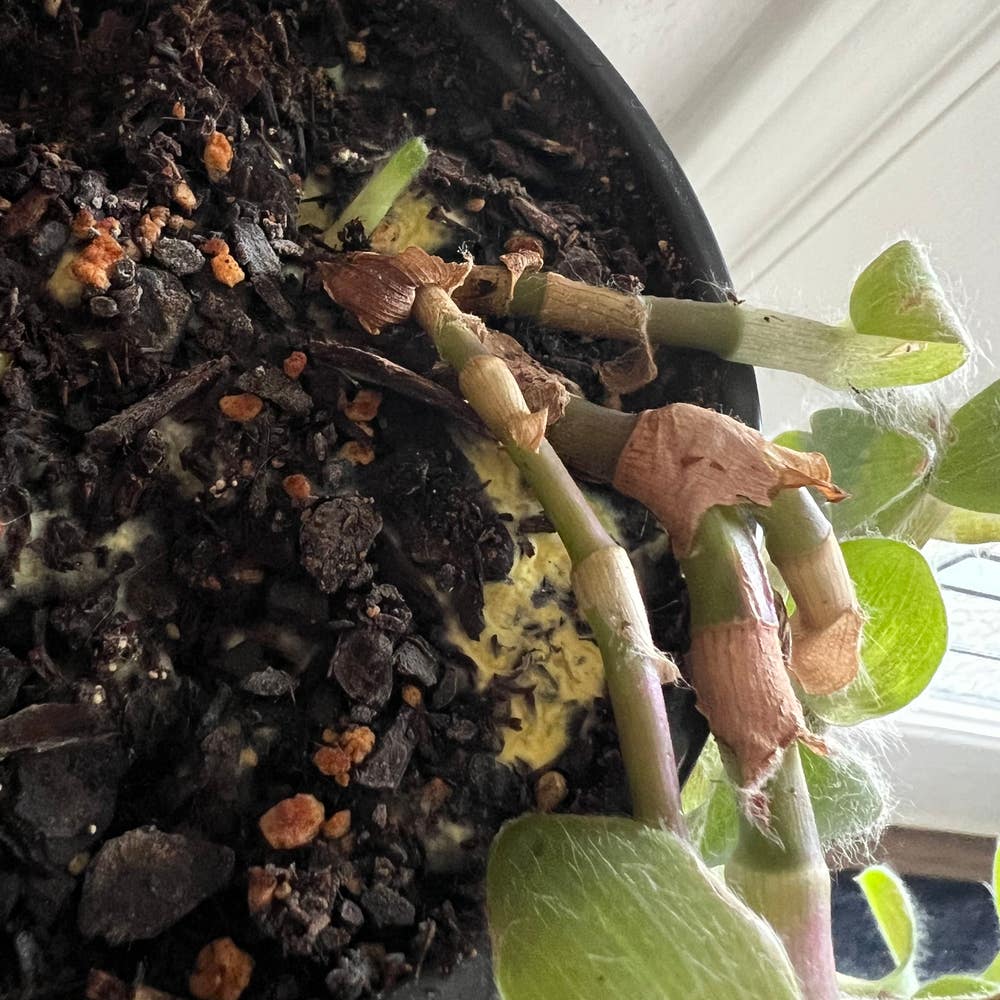
What Are The Bugs on My White Velvet? 🐛
Tradescantia sillamontana
By the Greg Editorial Team
Jun 17, 2024•8 min read
This article was created with the help of AI so we can cover more plants for you. May contain errors. See one? Report it here.
Protect your White Velvet from pesky invaders with these vital pest management strategies! 🌿🛡️
- Early detection is key to managing spider mites, scale insects, and other pests.
- Use insecticidal soap, alcohol, neem oil for treating various White Velvet pests.
- Prevent infestations with regular inspections, isolation, and environmental control.
Identifying and Treating Spider Mites on White Velvet
🕷 Signs of Spider Mite Infestations
Spider mites are tiny terrorists to your White Velvet, often going unnoticed until their damage is severe. Look for a tell-tale shimmer of silvery dots or stippling on the leaves. You might also find delicate webs, especially under leaves or in stem corners. Brown spots and holes in leaves are a dead giveaway—these critters are feasting on your plant.
🚨 Risks to Plant Health
These minuscule monsters suck the life out of plants, targeting stomata and causing leaves to speckle, wilt, and eventually drop. A severe infestation can lead to a plant's demise, so early detection and action are crucial.
💉 Effective Treatments
Prune and isolate your plant at the first sign of trouble. Get rid of the affected areas and clean everything—your hands, tools, the plant's former spot. Insecticidal soap is your friend here; it's like sending in a SWAT team that takes no prisoners. Alternatively, a shower for your plant can dislodge these pests—aim for the underside of leaves where they love to hide.
🚫 Prevention Strategies
Keep your White Velvet's leaves dust-free and properly hydrated to deter spider mites. They despise clean, moist environments. Introduce predatory mites if you're up for a biological warfare approach. They're like the ninjas of the mite world, taking out spider mites silently and effectively.
Remember, spider mites are like the worst kind of house guests—overstaying their welcome and ruining your stuff. Stay vigilant, and you'll keep your White Velvet safe from their grasp.

Battling Scale Insects on White Velvet
🕵️ Spotting the Enemy
Scale insects are masters of disguise, masquerading as harmless bumps on your White Velvet's stems and leaves. With a waxy shield for armor, they come in shades of brown, white, or black, often smaller than a third of an inch. Their damage is not as subtle: yellowing leaves, withering, and premature leaf drop signal their presence.
🛡️ The Battle Plan
To eradicate these pests, isolation is your first move—keep the infested plant away from its comrades. Next, suit up for a close encounter; dabbing each scale with a cotton swab soaked in isopropyl alcohol may sound like a doctor's visit, but it's a proven tactic. Persistence is your ally; repeat treatments are often necessary.
💪 Reinforcements and Prevention
Consider introducing natural predators like ladybugs to patrol your plant. And remember, the best offense is a good defense—regularly inspect your White Velvet for these tiny invaders. If you spot ants, show them the door; they're scale's accomplices in crime.
🌡️ Environmental Control
Keep your plant's environment unfavorable for scale. A humidifier can raise the stakes, making it less hospitable for these dry-loving bugs. And if all else fails, sometimes a plant's sacrifice is necessary for the greater good—no judgment if you need to toss it.
💡 Pro Tip
Ant control is crucial; these critters farm scale like tiny, six-legged ranchers. Stop them, and you cut off scale's support system. Keep a vigilant eye, and act fast; scale multiplies quicker than bad news.

Controlling Fungus Gnats and Fruit Flies Around White Velvet
🐜 Identifying the Culprits
Fungus gnats and fruit flies can be the bane of indoor gardeners. Fungus gnats are drawn to moist soil, while fruit flies prefer the sweet decay of overripe fruit. Spotting these pests involves looking for adult gnats near the soil or fruit flies hovering around waste bins. Tiny black flies or larvae in the soil? You've got gnats. A sudden lift-off when you approach? Likely fruit flies.
🌿 Natural Remedies
Sticky traps are your first line of defense. These yellow papers are like fly hotels with a no-check-out policy. For larvae, try the potato chunk trick—gnats can't resist them. Replace every few days to cut the population. Neem oil is another natural heavyweight; dilute, douse, and watch gnats despair.
☠️ Chemical Warfare
Sometimes, you have to bring out the big guns. Hydrogen peroxide mixed with water can be a soil drench that sends larvae to the great beyond. But remember, it's a fine line between pest control and plant murder—dilute carefully. For those who prefer a hands-off approach, systemic insecticides can help, but they're not the eco-friendliest option.
💡 Pro Tips
Overwatering is like sending gnats a gilded invitation. Let the soil dry out a bit between waterings—it's tough love that works. And if you're bringing new plants home, quarantine them. You don't want hitchhiking gnats setting up shop in your White Velvet sanctuary.
Remember, it's a battle of wits and wills. Stay vigilant, stay informed, and may the odds be ever in your favor.

Eradicating Mealybugs from White Velvet
🐛 Recognizing Mealybug Infestations
Mealybugs are the uninvited guests that throw a white, fluffy party on your White Velvet plant. Spotting them is straightforward: look for cotton-like clusters on leaves and stems. Act fast—these pests multiply quicker than bunnies.
🦠 Understanding Their Impact
These sap-suckers cause deformation and stunt growth by hijacking your plant's vital juices. Yellowing leaves, wilting, and a general look of despair are your plant crying for help.
🚫 Elimination Methods
Rubbing alcohol is your weapon of choice. Dip a cotton swab in it and go on a bug-hunting spree. For larger infestations, consider a thorough shower for your plant and a follow-up with insecticidal soap or neem oil. Be relentless; these bugs are tenacious.
🛡️ Safeguarding White Velvet
After the battle, keep your guard up. Isolate new plants, clean tools, and wash hands to prevent a mealybug sequel. Regular inspections are non-negotiable—vigilance is your best defense.
🕵️ Root Mealybugs: A Hidden Menace
Don't forget to check under the hood. Root mealybugs lurk in the soil, masquerading as harmless perlite. Squeeze suspicious white particles; if it's squishy, it's bug sushi. If your plant's health is declining for no apparent reason, unpot and investigate. Root mealybugs are messier than a toddler with a marker, leaving white wax and egg sacs as their calling card.
💡 Pro Tip
If ants are throwing a rave on your White Velvet, they're probably feasting on mealybug secretions. It's a sign to start the mealybug eviction process. And remember, sooty mold is the graffiti left by these pests—clean it up to keep your plant looking sharp.
Dealing with Additional Pests: Aphids and Thrips
Identifying aphids and thrips on your White Velvet plant is crucial for maintaining its health. These pests can wreak havoc if left unchecked.
🐜 Signs of Aphid Infestations
- Sticky residue on leaves, known as honeydew, is a telltale sign of aphids.
- Look for clusters of small, pear-shaped bugs on new growth or the underside of leaves.
🕵️ Signs of Thrip Damage
- Silver-gray scars or calloused areas on leaves indicate thrip activity.
- Thrips leave behind black specks—their excrement—on the plant.
🎯 Targeted Treatments for Aphids
- Isolate the affected plant to prevent the spread to other houseplants.
- Spray the plant with a mixture of water and a few drops of dish soap, which suffocates the aphids.
- For severe cases, consider using neem oil or insecticidal soap as directed.
🎯 Targeted Treatments for Thrips
- Prune and discard heavily infested leaves to reduce thrip populations.
- Shower your plant to physically remove thrips and their larvae.
- Apply horticultural oils or pyrethrin-based insecticides for persistent problems.
🚫 Preventing Future Infestations
- Regularly inspect your White Velvet for early signs of pests.
- Quarantine new plants for a few weeks to ensure they're pest-free before introducing them to your collection.
- Maintain a clean environment and remove any dead leaves or debris that could harbor pests.
Remember, early detection and treatment are key to keeping your White Velvet plant healthy and pest-free.
Proactive Pest Prevention for White Velvet
Regular monitoring is the cornerstone of pest prevention. Like a hawk eyeing its prey, keep a close watch on your White Velvet for any signs of pest activity. Environmental control is your tactical ally; ensure your plant's living conditions are not inviting to pests. This includes maintaining proper humidity levels and ensuring good air circulation around your plants.
🚫 Quarantine New Plants
When introducing new plants to your collection, it's like bringing a new member into the family—quarantine is a must. Isolate newcomers for at least two weeks to prevent any stowaway pests from infiltrating your White Velvet's peaceful existence.
🕵️ Inspection and Isolation
During quarantine, inspect the new plants meticulously. Look for any signs of pests or disease, and if you find any, treat them immediately. This preemptive strike will save you from a world of trouble down the line.
Environmental Adjustments
Keep your White Velvet's environment clean and tidy. Remove any debris or dead leaves that could harbor pests. Adjust watering practices to ensure the soil isn't too moist, as overwatering can attract unwanted guests like fungus gnats.
Regular Maintenance
Prune your White Velvet regularly to remove any potential pest hideouts. Healthy plants are less susceptible to infestations, so focus on providing a balanced fertilization regimen and adequate light. Remember, a well-fed plant is a fortress against pests.
Clean Tools and Pots
Disinfect your gardening tools and pots regularly. This is like washing your hands in the plant world—it prevents the spread of any diseases or pests that might be lurking unseen.
Stay Informed
Lastly, arm yourself with knowledge. Stay updated on the latest pest control methods and treatments. Knowledge is power, and in the battle against pests, it's your sharpest weapon.
⚠️ Safety First
This content is for general information and may contain errors, omissions, or outdated details. It is not medical, veterinary advice, or an endorsement of therapeutic claims.
Always consult a qualified healthcare professional before using any plant as food, medicine, or supplement.
Never eat any plant (or feed one to pets) without confirming its identity with at least two trusted sources.
If you suspect poisoning, call Poison Control (800) 222-1222, the Pet Poison Helpline (800) 213-6680, or your local emergency service immediately.
Spotted an error? Please report it here.
Ensure your White Velvet stays pest-free 🛡️ with Greg's precise care reminders and proactive monitoring tools to keep those bugs at bay!