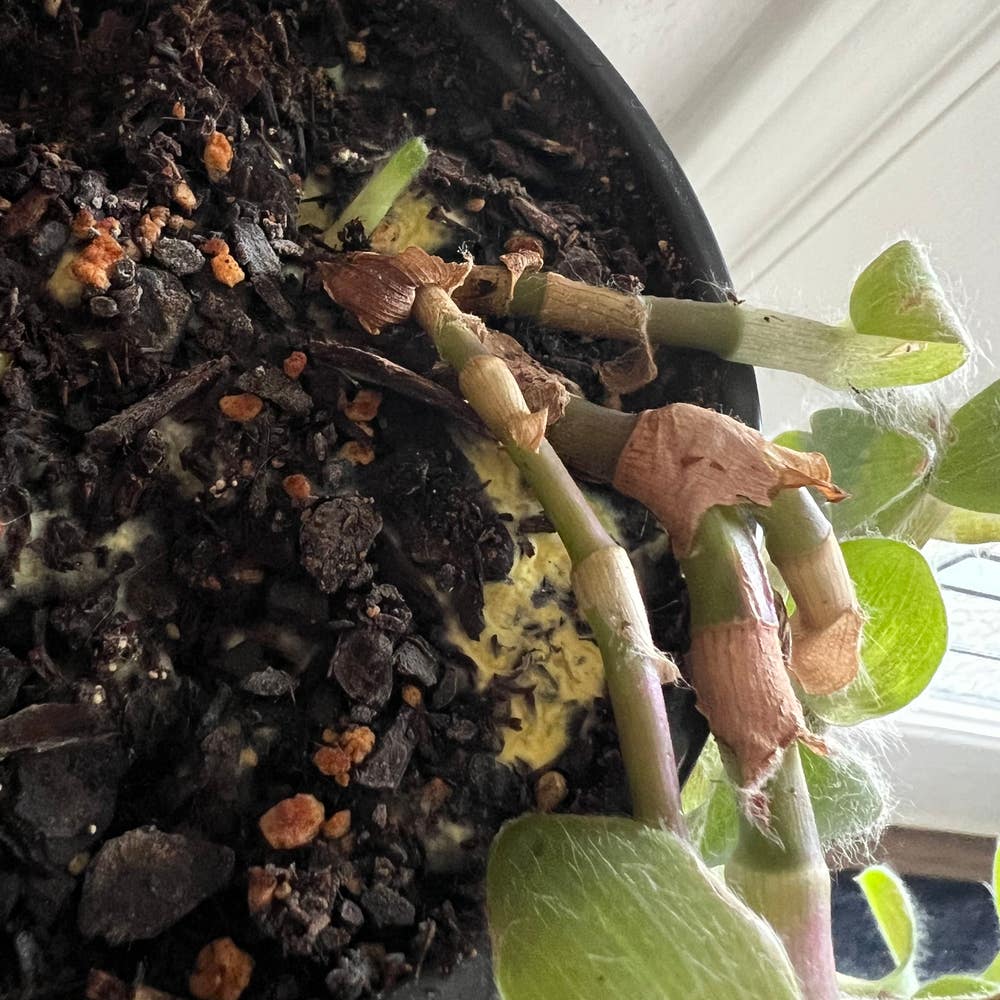
Why Is My White Velvet Dropping Leaves?
Tradescantia sillamontana
By the Greg Editorial Team
Jun 17, 2024•4 min read
This article was created with the help of AI so we can cover more plants for you. May contain errors. See one? Report it here.
Prevent your White Velvet from shedding tears 🍂 with our life-saving plant care secrets!
- Overwatering and underwatering both cause White Velvet leaf drop; balance is key.
- 🌞 Proper light and temperature between 65-75°F are crucial for leaf health.
- Inspect and treat for pests to maintain a healthy White Velvet plant.
Pinpointing the Culprits Behind Leaf Drop
💧 Overwatering Woes
Yellow leaves or stunted growth in your White Velvet? You might be overzealous with the watering can. Root rot is the silent scream you never want to hear. Before you water again, make sure the soil has had a chance to dry out. Remember, roots need air, not a swimming pool.
💦 The Thirsty Plant
Conversely, a White Velvet with dry, brown tips or wilting is crying out for hydration. If the soil feels like a barren wasteland, it's time to step up your game. Increase the water, but keep it cool—no flash floods. Consistency will keep your plant from turning into a desert casualty.
🌿 Light Levels and Leaf Health
Light is a plant's best friend, but too much or too little can turn your White Velvet's leaves into a distress signal. Aim for that Goldilocks zone of sunlight—not too much, not too little. Rotate your plant for even exposure and watch it thrive.
🌡️ Temperature Swings and White Velvet Comfort
If your White Velvet could talk, it would ask for stable temperatures. Keep it away from the drama of air conditioners and heaters. Think of your plant as a creature of comfort—consistent temperature and humidity levels make for a happy home.

Tactical Responses to Leaf Drop
🚿 Rescuing an Overwatered Plant
Overwatering can turn your White Velvet's roots into a soggy mess. Act fast—remove the plant from its pot and inspect the damage. Snip off any rotten roots with sterilized scissors. Let the roots air out before repotting in fresh, well-draining soil.
Remember, patience is key. Allow the soil to dry out before you water again, and when you do, water sparingly. Keep an eye on your plant's recovery, it'll take time for it to bounce back.
💧 Reviving from Underwatering
Underwatered White Velvet can look as lifeless as a forgotten cactus. To revive it, soak the soil thoroughly, then let excess water drain. Avoid shock by reintroducing water gradually. If the soil's too dry, it might repel water, so immerse the pot in water for a few minutes to ensure the soil gets properly moist.
Monitor the plant's response. If it perks up, you've nailed it. If not, reassess—there might be another culprit at play.
🌞 Adjusting Light for Lush Leaves
Light is like a double-edged sword for White Velvet—too much scorches, too little starves. Find that Goldilocks zone where your plant gets indirect, bright light. If your leaves are fading or burning, play around with placement until you find a spot that's just right.
Rotate your plant regularly for even light distribution. This encourages balanced growth and prevents your plant from reaching out like a sunbather chasing the last rays of summer.
🌡️ Temperature Control Tactics
White Velvet enjoys stability, much like your favorite barista who knows your order by heart. Keep the temperature between 65-75°F (18-24°C) and avoid drafts. Sudden temperature changes are as jarring to your plant as a surprise ice bath.
If your plant's leaves are dropping like flies, check if it's too close to an AC vent or a heat source. Adjust accordingly and watch as your plant settles into its comfort zone.

Fortifying Your White Velvet Against Pests
🐛 Identifying Common Invaders
Your White Velvet is a magnet for certain pests. Vigilance is key in spotting these unwanted guests. Aphids, spider mites, and mealybugs are the usual suspects, often leaving tell-tale signs like yellowing leaves or fine webs. Inspect regularly, especially under leaves and along stems, for any cotton-like clusters or speckling that indicates an infestation.
🛡️ Natural and Chemical Defenses
When it comes to defense, you've got options. For a start, neem oil and insecticidal soap are your go-to sprays, acting like a bouncer for pests. They're effective yet gentle on your plant. For a more hands-on approach, dabbing mealybugs with isopropyl alcohol-soaked cotton swabs can be oddly satisfying.
Sticky traps are your silent assassins against flying pests, luring them in with their bright color. And don't forget about the power of predators – ladybugs and lacewings are your garden allies, munching on pests with gusto.
Remember, cleanliness is next to pestlessness. Keep your plant's environment tidy, remove debris, and ensure proper watering to avoid attracting gnats. A clean, well-maintained White Velvet is less inviting to pests, making it your fortress against invasions.

⚠️ Safety First
This content is for general information and may contain errors, omissions, or outdated details. It is not medical, veterinary advice, or an endorsement of therapeutic claims.
Always consult a qualified healthcare professional before using any plant as food, medicine, or supplement.
Never eat any plant (or feed one to pets) without confirming its identity with at least two trusted sources.
If you suspect poisoning, call Poison Control (800) 222-1222, the Pet Poison Helpline (800) 213-6680, or your local emergency service immediately.
Spotted an error? Please report it here.
Revive your White Velvet from leaf drop by striking the perfect water and sunlight harmony, with Greg's tailored reminders 🌿 ensuring your green friend's utmost happiness.