⚠️ Why Are My White Velvet Leaves Turning Yellow?
Tradescantia sillamontana
By the Greg Editorial Team
Jun 17, 2024•4 min read
This article was created with the help of AI so we can cover more plants for you. May contain errors. See one? Report it here.
Learn to decode your White Velvet's yellow leaves and reclaim its vibrant health! 🍂🔍
- Yellow leaves signal distress, not just natural aging in White Velvet plants.
- Over/underwatering, temperature, poor soil can all cause yellowing—know the signs.
- Consistent care and monitoring prevent yellow leaves and ensure long-term health.
Spotting the Signs: Yellowing on White Velvet
🚨 Identifying Yellow Leaves
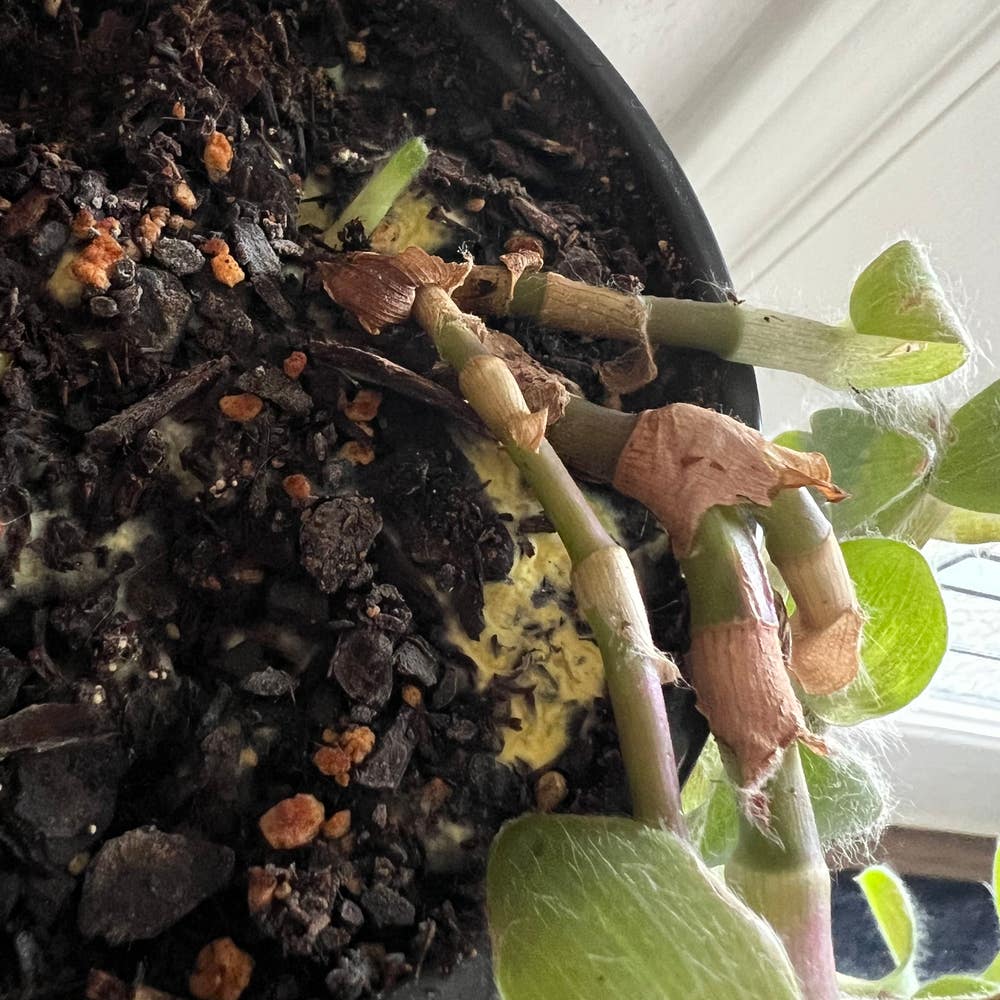
Yellow leaves on your White Velvet plant are like a flashing neon sign indicating distress. It's crucial to differentiate between natural aging, which may cause older leaves to yellow and fall off, and more serious issues.
🎯 Recognizing Patterns of Discoloration
Patterns matter. Uniform yellowing could be a cry for water or a plea for stable temperatures. If yellowing starts at the tips or edges, it might be a nutrient deficiency calling for your attention. Spotty yellowing? Suspect pests or disease.
🌡 Assessing Leaf Texture Changes
Texture changes in leaves are telling. Leaves that feel swollen or look translucent might be victims of overwatering. Conversely, leaves that are crispy to the touch or wrinkled could be dehydrated and in dire need of water.

Unearthing the Causes: Why White Velvet Leaves Turn Yellow
🌊 Too Much Love: The Perils of Overwatering
Overwatering is like that friend who hugs a little too long—well-meaning but suffocating. White Velvet plants can't swim, and soggy soil is a one-way ticket to droopy, yellow leaves. If you're getting more splash than soil when watering, it's time to ease up. Root rot often follows overzealous watering, turning roots to mush and leaves to a sickly yellow.
🏜️ Thirsty Roots: The Impact of Underwatering
Conversely, underwatering turns your White Velvet into a desert wanderer, parched and yellowing. It's the plant equivalent of a neglected Tamagotchi. Check for bone-dry soil and leaves that resemble sad, crispy autumn foliage. They're silently judging your forgetfulness.
🚰 Soil Matters: Drainage and Nutrient Deficiencies
If your soil drains as well as a clogged sink, you've got problems. Poor drainage can lead to a buildup of water, and White Velvet's roots will protest by turning the leaves yellow. Nutrient deficiencies are the silent cries for a balanced diet; yellow leaves might mean it's time for a soil test and a nutrient boost.
🌡️ Feeling the Heat: Temperature and Environmental Stress
White Velvet plants aren't fans of extreme makeovers, especially when it comes to temperature. Too hot, and they'll start shedding yellow leaves like a dog sheds fur in summer. Too cold, and they'll turn as yellow as if they've seen a ghost. Keep the environment as stable as a well-balanced breakfast to avoid these issues.

Turning Over a New Leaf: Fixing Yellow Leaves on White Velvet
💧 Fine-Tuning Watering Habits
Watering your White Velvet plant is like a delicate dance – too much and you're at a slippery slope to root rot, too little and you'll have a thirsty, yellowed plant on your hands. Check the top inch of soil; if it's dry, it's time to water. Ensure you're not leaving the plant's feet wet – proper drainage is key.
🌱 Enhancing Soil and Drainage
Soil should be your plant's best friend, not a soggy enemy. Mix in organic matter or use a well-draining potting mix to give your White Velvet the home it deserves. If you're dealing with compacted or poor-draining soil, consider a complete soil reset.
🌿 Balancing Nutrients for Healthy Growth
Nutrient balance is crucial – too much fertilizer and you'll see a salt buildup, too little and your plant starves. Use a balanced fertilizer, but sparingly, to avoid over-fertilization. Remember, less is often more when it comes to feeding your plants.
🌞 Creating the Ideal Environment
Your White Velvet's environment should be just right – think of Goldilocks, but for plants. Bright, indirect light is the sweet spot for these plants. Keep an eye on temperature and humidity, and adjust as needed to mimic the plant's natural habitat for optimal health.

Keeping the Green: Long-Term Health for White Velvet
💧 Consistent Care Routine
Consistency is your White Velvet's best friend. Establish a routine that includes regular watering when the soil is dry to the touch, but not so often that the plant sits in soggy soil. Remember, White Velvet is more forgiving of neglect than overzealous care.
👀 Monitoring for Early Signs of Stress
Vigilance is key. Keep an eye out for yellowing leaves, which could signal anything from natural aging to more serious issues like overwatering or pests. Regularly inspect the plant, especially during growth spurts and seasonal changes, to catch any problems early.
🌱 Seasonal Adjustments for White Velvet
White Velvet has its own winter agenda, often slowing down and entering a period of dormancy. During this time, cut back on watering and let the plant chill. As seasons change, so should your care; more sunlight and water in the growing season, less in the dormant period. Keep it out of reach of pets and children, as it's not a snack but a visual treat.
⚠️ Safety First
This content is for general information and may contain errors, omissions, or outdated details. It is not medical, veterinary advice, or an endorsement of therapeutic claims.
Always consult a qualified healthcare professional before using any plant as food, medicine, or supplement.
Never eat any plant (or feed one to pets) without confirming its identity with at least two trusted sources.
If you suspect poisoning, call Poison Control (800) 222-1222, the Pet Poison Helpline (800) 213-6680, or your local emergency service immediately.
Spotted an error? Please report it here.
Revive your White Velvet from yellow to green 🌿 with Greg's tailored watering schedules and environmental monitoring for a perfectly balanced habitat.