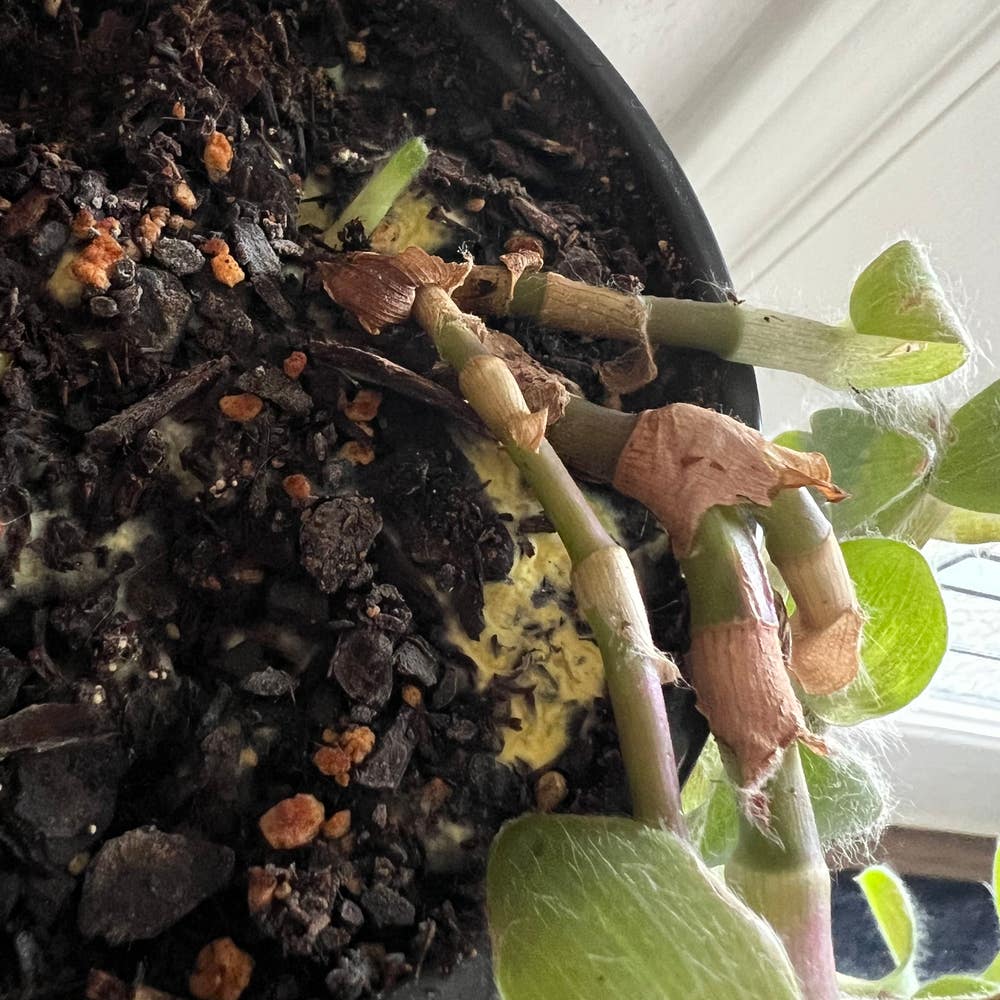
How Can You Tell If A White Velvet Is Dying?
Tradescantia sillamontana
By the Greg Editorial Team
Jun 17, 2024•3 min read
This article was created with the help of AI so we can cover more plants for you. May contain errors. See one? Report it here.
Revive your wilting White Velvet 🌿 with life-saving care tips that tackle its silent distress signals.
- Yellow leaves and mushy stems? Over-watering. Drooping, dry leaves? Under-watering.
- Root rot signs: Wilting, foul-smelling soil. Save by repotting with fresh soil.
- Pests and mold? Look for bugs, leaf damage, and musty smells; treat promptly.
When Thirst Goes Wrong: Watering Woes
🚰 Over-watering vs. Under-watering
Yellowing leaves and mushy stems spell over-watering trouble, while drooping, dry leaves shout under-watering. It's a delicate dance to keep your White Velvet plant hydrated without going overboard.
Check the soil before you water: if the top inch is dry, it's time to water; if it's damp, wait it out. Over-watering invites root rot, while under-watering leaves your plant high and dry.
🍄 The Dreaded Root Rot
Wilting and a foul-smelling soil are the hallmarks of root rot. If you catch these symptoms, it's time for a rescue mission.
To save your plant, remove it from the pot and inspect the roots. Cut away any rotten parts and repot in fresh, well-draining soil. Remember, prevention is better than cure, so adjust your watering habits to avoid a repeat performance.

Light and Temperature: The Balancing Act
🌞 Too Much Sun or Not Enough?
Faded leaves are the plant's way of saying it's starved for light, while stunted growth screams it's been overshadowed. The right amount of light is crucial for the White Velvet's well-being.
Getting it Just Right
Rotate your plant regularly to ensure even exposure. Aim for bright, indirect sunlight; direct rays are the nemesis of the White Velvet's delicate leaves.
❄️ Weathering the Temperature
Leaf curling and browning edges are your plant's SOS for temperature distress. These signs indicate that your White Velvet is not comfortable with the current climate.
Keeping it Consistent
Maintain a stable temperature between 15-23ºC to avoid turning your plant into a drama queen. Sudden changes are as unwelcome as a snowstorm in July—keep it steady.

Uninvited Guests and Unseen Dangers
🐛 Pests: The Tiny Terrors
When uninvited critters set up camp, your White Velvet can become a bug buffet. Visible bugs and leaf damage are the telltale signs of an infestation.
Spotting an Infestation
Look for webbing, spots, or the actual freeloaders. Early detection is your best bet for an easy eviction.
🐜 Evicting Pests
Kick pests to the curb with treatments like neem oil or insecticidal soap. Remember, spray the undersides of leaves too; that's where the party's at for pests.
🍄 Mold and Fungus Among Us
Mold and fungus are the stealthy spoilers of the plant world. Spotty leaves and a musty smell signal their unwelcome presence.
Detecting Mold and Fungus
White or grayish patches? That's mold's calling card. Keep an eye out for any discoloration or powdery spots on leaves.
🌬️ Clearing the Air
Boost air circulation and consider a fungicidal treatment if necessary. Keep those leaves dry and the air moving to prevent mold from thinking it's found a new home.

Environmental Stress Signals
🌞 Leaf Scorching: A Sign of Too Much Love
Brown or black leaf spots signal your White Velvet may be getting too much of a good thing: sunlight. These marks are the plant's equivalent of a sunburn, a cry for less intense rays.
Shifting the Shade
To protect your plant, relocate it to a spot with filtered light. If moving it isn't an option, consider using a sheer curtain or shade cloth as a sun shield.
💡 The Perils of Inconsistent Care
Varied care routines can lead to a general decline in your White Velvet's health. You might notice stunted growth or a lackluster appearance.
Sticking to a Schedule
Consistency is key. Establish and adhere to a regular care schedule to keep your plant thriving. This includes watering, feeding, and adjusting the environment to suit its needs.
⚠️ Safety First
This content is for general information and may contain errors, omissions, or outdated details. It is not medical, veterinary advice, or an endorsement of therapeutic claims.
Always consult a qualified healthcare professional before using any plant as food, medicine, or supplement.
Never eat any plant (or feed one to pets) without confirming its identity with at least two trusted sources.
If you suspect poisoning, call Poison Control (800) 222-1222, the Pet Poison Helpline (800) 213-6680, or your local emergency service immediately.
Spotted an error? Please report it here.
Avoid the heartache of a dying White Velvet by rescuing 🛡️ it with Greg's precise watering schedules and light metering, ensuring your plant thrives under your vigilant care.