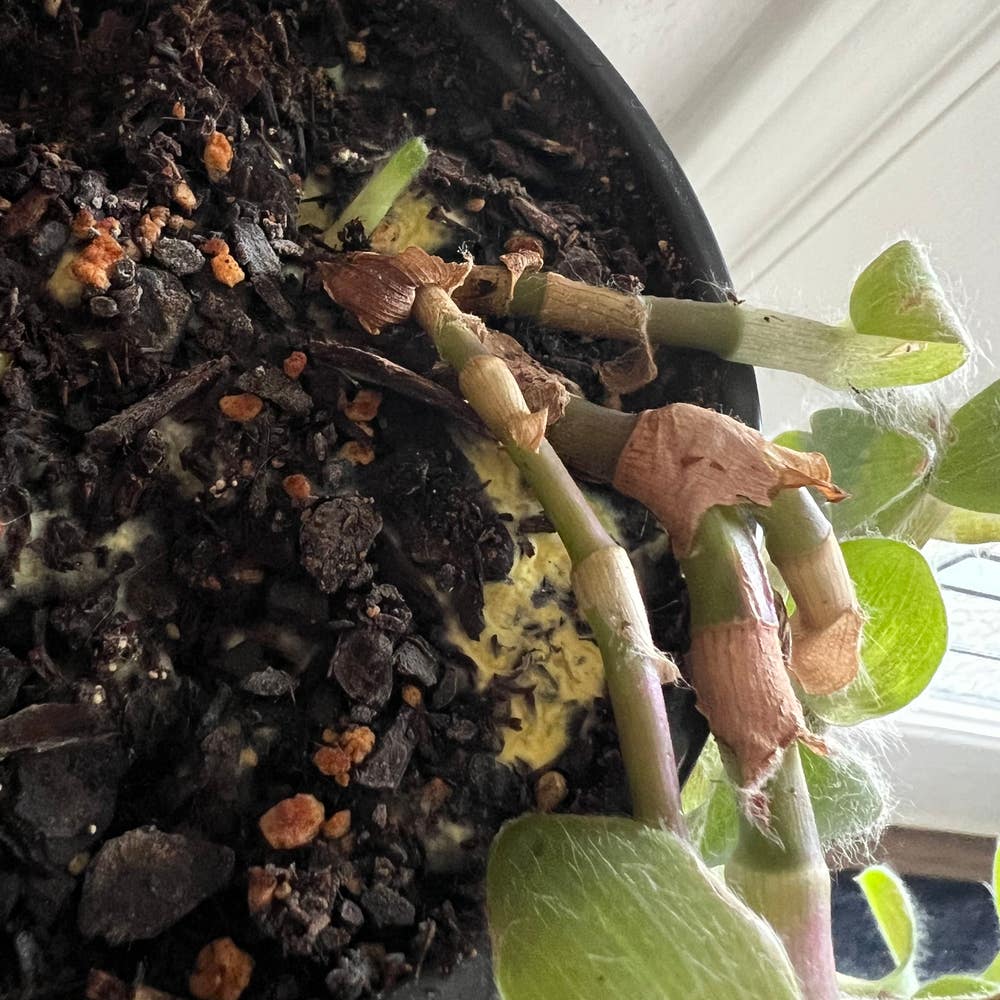
🌼 Best Practices for Planting White Velvet
Tradescantia sillamontana
By the Greg Editorial Team
Oct 10, 2024•5 min read
This article was created with the help of AI so we can cover more plants for you. May contain errors. See one? Report it here.
Unlock vibrant growth for your White Velvet 🌱 with expert planting techniques that ensure a thriving garden for years!
- 🌱 Proper planting techniques ensure healthy, resilient White Velvet plants.
- 🌞 Best planting time is post-frost; choose partial shade for optimal growth.
- 💧 Use well-draining soil and mulch to retain moisture and support roots.
Importance of Proper Planting Techniques
Planting techniques are crucial for the growth and health of your White Velvet plants. When done correctly, these methods can significantly enhance the vitality and longevity of your plants.
Proper planting ensures that your White Velvet has the right foundation to thrive. This includes selecting the right soil, depth, and spacing, which all contribute to robust root development.
🌱 Long-Term Benefits of Correct Planting
Investing time in proper planting pays off in the long run. Healthy plants are more resilient to pests and diseases, leading to less maintenance and more enjoyment.
Additionally, well-planted White Velvet can flourish for years, providing beauty and joy in your garden. This longevity not only enhances your outdoor space but also fosters a deeper connection with nature.
By understanding and implementing effective planting techniques, you set the stage for a thriving garden. This foundation will support your plants as they grow and adapt to their environment.
Next, let’s explore the specifics of planting new White Velvet, including optimal timing and soil selection.
Planting New White Velvet
🌱 Optimal Timing for Planting
The best time to plant White Velvet is after the last frost date in cooler climates. This timing aligns perfectly with the plant's active growth cycle, which thrives during the warm months.
🪴 Selecting the Right Soil Mix and Containers
For optimal growth, use a well-draining soil mix enriched with organic matter. When choosing containers, ensure they are appropriately sized and have adequate drainage to prevent waterlogging.
📏 Proper Depth and Spacing for Planting
Plant White Velvet at a depth of 2-3 inches to encourage healthy root development. Space the plants 12-18 inches apart to give them room to grow and flourish.
☀️ Maintaining Ideal Growing Conditions
White Velvet prefers partial shade to indirect sunlight, making it essential to find the right spot in your garden. Additionally, these plants thrive in warm, humid conditions, so keep that in mind when selecting their location.
🛠️ Hardening Off Process Before Outdoor Planting
Before transplanting outdoors, it's crucial to harden off your White Velvet.
- Duration: Allow 7-10 days for this process.
- Gradual exposure: Start with 1-2 hours in a sheltered location, gradually increasing the time each day.
- Monitoring: Keep an eye out for signs of stress or sunburn, adjusting exposure as needed.
By following these steps, you'll set your White Velvet up for success in its new environment. Next, we’ll explore how to transplant established White Velvet plants effectively.
Transplanting Established White Velvet
🌱 Optimal Timing for Transplanting
Transplanting your White Velvet is best done in early spring or fall. These seasons offer mild temperatures, which help reduce stress on the plant.
🛠️ Step-by-Step Instructions for Transplanting
Removing the Plant from Its Current Location
- Water the plant thoroughly a day before transplanting. This helps hydrate the roots and makes the process smoother.
- Gently dig around the root zone to minimize damage. Aim to keep as much soil intact as possible.
- Lift the plant carefully, ensuring you maintain the soil around the roots. This will help it adapt to its new home.
Preparing the New Planting Site
- Choose a location that mirrors the light and humidity conditions of the original site. Consistency is key for a successful transition.
- Amend the soil with organic matter to improve drainage. This will create a healthier environment for your plant.
- Dig a hole that is twice the width of the root ball. This allows the roots to spread out comfortably.
Ensuring Proper Placement and Spacing
- Position the plant at the same depth as it was previously growing. This helps maintain its health and growth patterns.
- Space plants 12-18 inches apart to allow for optimal growth. Adequate spacing prevents overcrowding and promotes air circulation.
💧 Tips for Watering, Mulching, and Providing Support
After transplanting, thoroughly water the plant to settle the soil around the roots. This initial watering is crucial for establishing a strong foundation.
Apply a 2-inch layer of organic mulch to retain moisture and regulate soil temperature. Mulch not only benefits the plant but also suppresses weeds.
If your White Velvet is taller, consider using stakes for support. This prevents toppling and ensures your plant remains upright as it adjusts to its new environment.
Transplanting can be a rewarding experience, setting the stage for your White Velvet to thrive. Next, let’s explore troubleshooting common issues that may arise during this process.
Troubleshooting Common Issues
🥴 Understanding Transplant Shock
Transplant shock can be a real hurdle for your White Velvet. Symptoms include wilting, yellowing leaves, and stunted growth, signaling that your plant is struggling to adapt.
To prevent this, ensure proper watering and care during the transition. A little extra attention can go a long way in helping your plant settle into its new home.
🏗️ Addressing Establishment Problems
If you notice slow growth or leaf drop, your White Velvet may be facing establishment problems. These signs indicate that the plant is not thriving in its new environment.
Adjusting your watering frequency and checking soil conditions can often remedy these issues. A little tweak here and there can help your plant bounce back.
🐛 Common Pests and Diseases Affecting White Velvet
Keep an eye out for pests like aphids and spider mites, which can wreak havoc on your plant. These tiny invaders can cause significant damage if left unchecked.
Root rot is another concern, often caused by overwatering. Regular inspection and maintaining healthy soil are key prevention strategies to keep your White Velvet thriving.
By staying vigilant and proactive, you can ensure your plant remains healthy and vibrant. With the right care, your White Velvet will flourish, setting the stage for a beautiful display in your garden.
Next, let’s explore how to maintain ideal growing conditions for your White Velvet.
⚠️ Safety First
This content is for general information and may contain errors, omissions, or outdated details. It is not medical, veterinary advice, or an endorsement of therapeutic claims.
Always consult a qualified healthcare professional before using any plant as food, medicine, or supplement.
Never eat any plant (or feed one to pets) without confirming its identity with at least two trusted sources.
If you suspect poisoning, call Poison Control (800) 222-1222, the Pet Poison Helpline (800) 213-6680, or your local emergency service immediately.
Spotted an error? Please report it here.
Plant your White Velvet with confidence and watch them thrive 🌿—Greg's tailored care reminders will help you nurture your plants to their fullest potential!