White Velvet - Ultimate Guide to Fertilizing
Tradescantia sillamontana
By the Greg Editorial Team
Jun 17, 2024•4 min read
This article was created with the help of AI so we can cover more plants for you. May contain errors. See one? Report it here.
Flourish your White Velvet blooms with precision fertilizing tips tailored for its unique needs. 🌼🕒
- Phosphorus-rich fertilizers enhance White Velvet blooms.
- Fertilize monthly in spring/summer, taper off before frost.
- Over-fertilization signs: leaf browning, stunted growth.
Picking the Right Food for Your White Velvet
💭 Organic vs. Synthetic: Which Fertilizer Wins for White Velvet?
In the great debate of organic versus synthetic fertilizers for your White Velvet, it's a toss-up between slow-release nourishment and a fast-acting nutrient hit. Organic options are the slow food movement of plant care, enriching the soil with a gourmet mix of nutrients and beneficial microbes. Synthetics, on the other hand, are the fast food—quick, precise, and potent. They can give your White Velvet a growth spurt, but overindulgence might just lead to the dreaded nutrient burn.
🧬 Decoding the N-P-K Ratio: What Does White Velvet Crave?
The N-P-K ratio is like the DNA of fertilizer, and getting it right for White Velvet is crucial. This plant has a soft spot for phosphorus, the middle number in the N-P-K sequence, which encourages those lush blooms. A ratio with a higher phosphorus content, say 2-4-2, strikes a balance, promoting flowering while keeping the foliage in check.
🌿 The Micronutrient Mix: Small Doses for Big Blooms
Micronutrients are the unsung heroes in the White Velvet's diet. These are the vitamins to your fertilizer's macronutrient carbs, proteins, and fats. They're needed in smaller quantities, but they pack a punch for your plant's health and blooming prowess. Look for a fertilizer that includes these vital extras, but remember, a little goes a long way.

Timing is Everything: When to Feed Your White Velvet
🌱 Syncing Fertilization with White Velvet's Growth Spurts
Spring is the starting gun for your White Velvet's growth marathon. As it shakes off the winter chill, this is when you'll want to begin your fertilization routine. Consistent growth is your cue; when you see new leaves and stems, it's time to feed.
📅 Seasonal Smarts: Fertilizing Through Spring to Fall
Your White Velvet's appetite changes with the seasons. Monthly fertilization is ideal from spring through summer, aligning with its most active growth. As fall approaches, ease off the fertilizer buffet about 8 weeks before the first frost. Over-fertilizing is as helpful as a screen door on a submarine.
💐 Blooming Boost: Extra Nutrients for Flower Power
When your White Velvet is gearing up to bloom, it's like a bodybuilder prepping for a competition—it needs extra nutrients. A well-timed boost can be the difference between a bloom that's a showstopper and one that's a no-show. Keep an eye on new growth; it's your green light to keep up the regimen.

The Art of Fertilizing White Velvet
💊 Dosage Do's and Don'ts: How Much is Just Right?
When it comes to fertilizing White Velvet, less is more. Overdoing it can be like forcing your plant into stretchy pants after a big meal—it's uncomfortable and unnecessary. Stick to a quarter to an eighth of the recommended dosage on the fertilizer label to avoid overindulgence.
🎯 Application Techniques: Getting to the Root of the Matter
Direct application to the soil, avoiding the foliage, is key to preventing nutrient burn. Think of it as targeted nutrition—like a protein shake for the roots. For liquid fertilizers, dilute to half strength. This ensures your White Velvet gets just the right amount of sustenance without the risk of chemical burns.
🍵 Dilution Solutions: Preventing Fertilizer Burns
To prevent the dreaded fertilizer burn, imagine you're making a delicate tea for your plant—gentle and diluted. Always use room-temperature water to avoid shocking the roots. And remember, a well-draining potting mix is your best friend here, keeping those roots happy and burn-free.

Reading the Leaves: Signs You're Overdoing It
🚩 Spotting Trouble: Symptoms of Over-Fertilization
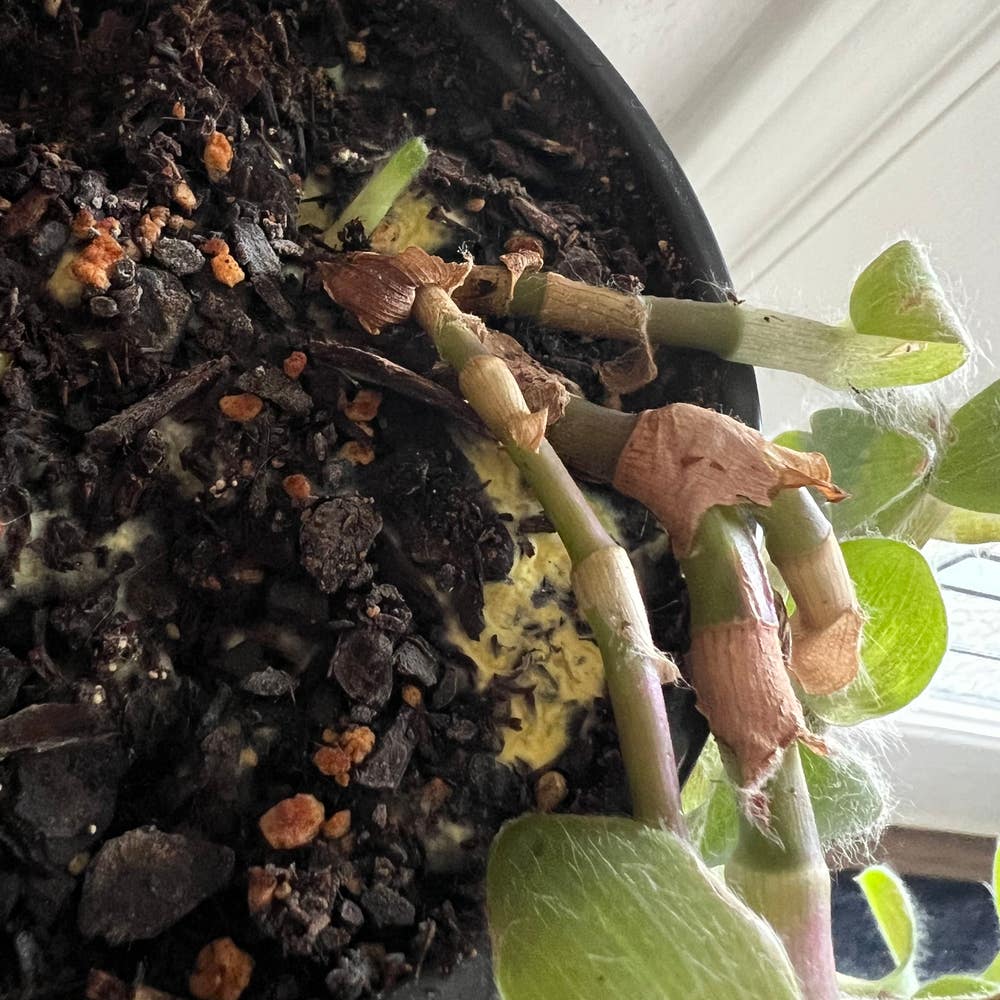
Leaf browning isn't just a fall fashion statement for your White Velvet; it's a distress signal. If the tips and edges of leaves are turning brown, take it as a cry for help. Stunted growth? Your plant is telling you to back off with the nutrient buffet. And if you see a white crust on the soil, that's not plant dandruff—it's salt buildup from too much fertilizer.
💪 The Recovery Plan: Bouncing Back from Fertilizer Fiascos
First, leach the soil. It's like hitting the reset button for your plant's root system. Run water through the soil to wash away those excess nutrients. Think of it as a detox spa for your White Velvet. Next, prune the damage. Snip off those burnt leaves; they're not making a comeback. And hold the fertilizer—your plant needs a break, not a breakdown. Remember, moderation is key. Your plant's roots aren't planning to run a marathon; they don't need carb-loading.
⚠️ Safety First
This content is for general information and may contain errors, omissions, or outdated details. It is not medical, veterinary advice, or an endorsement of therapeutic claims.
Always consult a qualified healthcare professional before using any plant as food, medicine, or supplement.
Never eat any plant (or feed one to pets) without confirming its identity with at least two trusted sources.
If you suspect poisoning, call Poison Control (800) 222-1222, the Pet Poison Helpline (800) 213-6680, or your local emergency service immediately.
Spotted an error? Please report it here.
Nurture your White Velvet to flourishing beauty 🌸 with Greg's personalized fertilizing reminders, ensuring you provide just the right nutrients without the guesswork.