☁️ Ultimate Guide to Outdoor White Velvet Care
Tradescantia sillamontana
By the Greg Editorial Team
Oct 10, 2024•5 min read
This article was created with the help of AI so we can cover more plants for you. May contain errors. See one? Report it here.
Elevate your outdoor white velvet's health and beauty with these essential care tips! 🌱
- 🌞 Outdoor white velvet thrives in bright, indirect sunlight; avoid full shade for best growth.
- 💧 Consistently moist soil is crucial; water every 1-2 weeks, adjusting for conditions.
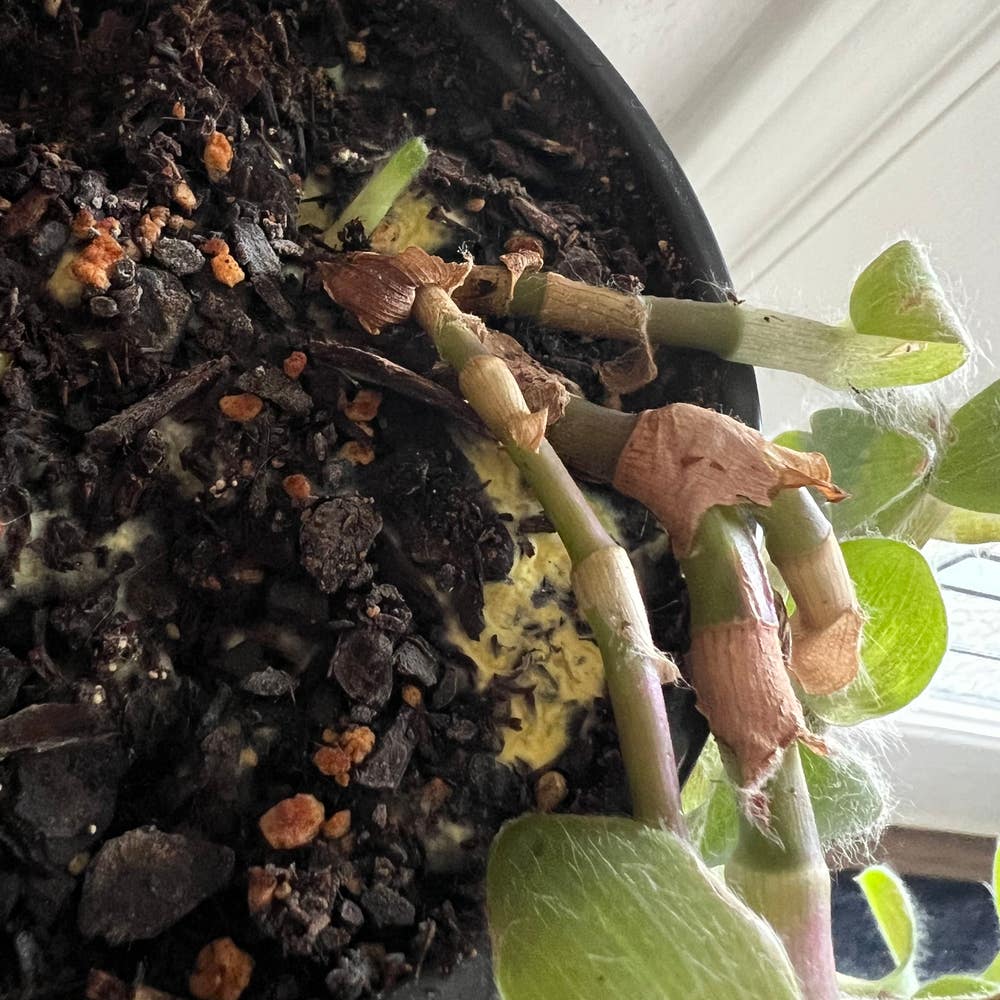
- 🌿 Yellowing leaves indicate overwatering; reduce frequency to prevent root rot.
Species-Specific Care
🌞 Sunlight Requirements
Outdoor white velvet plants thrive in bright, indirect sunlight. While they can tolerate partial shade, full shade may hinder their growth.
Signs that your plant isn't getting enough light include leggy growth and pale leaves. If you notice these symptoms, consider relocating your plant to a sunnier spot.
💧 Watering Needs and Frequency
To keep your outdoor white velvet healthy, maintain consistently moist soil without waterlogging. A good rule of thumb is to water every 1-2 weeks, adjusting based on rainfall and humidity levels.
Watch for yellowing leaves and root rot, which are signs of overwatering. If you see these issues, reduce your watering frequency.
🌱 Soil Preferences and Amendments
The ideal soil for outdoor white velvet is well-draining and rich in organic matter. Aim for a pH level between 6.0 and 7.0 for optimal growth.
To improve soil quality, incorporate compost or peat moss. These amendments enhance drainage and boost nutrient content.
🥦 Fertilization Schedule
During the growing season, fertilize your plant monthly to support its health. Spring and summer are the best times for this.
Use a balanced NPK fertilizer, like 10-10-10, or opt for organic options such as fish emulsion. Both choices will provide the nutrients your plant craves.
✂️ Pruning and Maintenance Techniques
Light pruning in spring encourages bushier growth for your outdoor white velvet. This simple technique can significantly enhance its appearance.
Focus on removing dead or damaged leaves and spent flowers. Additionally, pinching back tips promotes branching, leading to a fuller plant.
With these care tips, your outdoor white velvet will flourish beautifully. Next, let’s explore the best planting options for your garden.
Planting Options
🌱 Benefits and Drawbacks of Container vs. Ground Planting
Container planting offers several advantages. You gain mobility and can easily control the soil quality, ensuring your plants have the best nutrients.
However, containers come with limitations. They provide restricted root space and require more frequent watering, especially in hot weather.
Ground planting, on the other hand, allows for more expansive root development. This method also benefits from natural moisture retention, which can be a game-changer during dry spells.
Yet, ground planting has its downsides. You have less control over soil conditions and may face increased vulnerability to pests and diseases.
🏡 Choosing the Right Option
When deciding between container and ground planting, start by assessing your space availability. Think about sunlight exposure and how accessible the area is for maintenance.
Next, evaluate your local climate conditions. Understanding which option aligns best with your environment will set you up for success.
Choosing the right planting method is crucial for the health of your outdoor white velvet. With the right approach, you can create a thriving garden that reflects your passion for plant care.
As you consider your options, remember that each choice has its unique benefits and challenges. This understanding will guide you in making the best decision for your gardening journey.
Now that you've explored planting options, let's dive into how to protect your plants from environmental factors.
Protection from Environmental Factors
🌤️ Weather Protection Strategies
Outdoor white velvet plants can be sensitive to extreme temperatures. To shield them from intense sun, consider using shade cloths, which can help filter harsh rays and prevent leaf scorch.
In colder months, frost blankets are essential to protect your plants from freezing temperatures. Additionally, planting near structures can offer natural windbreaks, reducing the risk of damage from strong gusts.
🐞 Pest Management and Prevention
Aphids and spider mites are common pests that can wreak havoc on your outdoor white velvet. Regular inspections are crucial; catching these pests early can save your plants from significant damage.
Introducing beneficial insects like ladybugs can also help keep pest populations in check. These natural predators are a fantastic way to maintain a healthy garden ecosystem without resorting to harsh chemicals.
🦠 Common Diseases and Prevention
Root rot and powdery mildew are two diseases that can affect outdoor white velvet plants. To identify these issues, look for signs like wilting leaves or a white, powdery substance on foliage.
Preventing these diseases is all about proper care. Ensure your plants have adequate air circulation and avoid overwatering, which can lead to root rot. Keeping a close eye on your plants will help you catch any problems before they escalate.
Transitioning from environmental protection to seasonal care is essential for maintaining the health of your outdoor white velvet. Understanding how to adapt your care routine throughout the year will ensure your plants thrive.
Seasonal Care
Spring to Winter Care Tips 🌱
Spring is the season of renewal, and it's the perfect time to kickstart your outdoor white velvet care. Begin by fertilizing monthly and giving your plants a light prune to encourage bushier growth.
Summer Care ☀️
As temperatures rise, increase your watering frequency to keep the soil consistently moist. This is also the time to keep a close eye on pests; regular inspections can save your plants from unwanted visitors.
Fall Preparation 🍂
With fall approaching, gradually reduce your watering schedule. This helps prepare your plants for dormancy, ensuring they have the right conditions to rest and rejuvenate.
Winter Protection ❄️
Winter can be harsh, so protecting your plants from frost is crucial. Maintain humidity levels to keep your white velvet thriving, even in the coldest months.
By following these seasonal care tips, you’ll ensure your outdoor white velvet remains healthy and vibrant throughout the year. Next, let’s explore how climate zones affect your plant care strategies.
Climate Zone Considerations
Best Climate Zones and Adjusting Care 🌱
For optimal growth, outdoor white velvet thrives in USDA zones 10-11. These zones provide the warm temperatures and mild winters that this plant loves.
Tailoring your care is essential. Adjust your watering and fertilization schedules based on local weather patterns to keep your plant healthy and vibrant.
Special Considerations for Extreme Weather ☀️
Heatwaves can be tough on your plants. During these times, increase watering and provide shade to help them cope.
Cold snaps require a different approach. Use protective coverings and consider relocating containers to shield them from harsh conditions.
⚠️ Safety First
This content is for general information and may contain errors, omissions, or outdated details. It is not medical, veterinary advice, or an endorsement of therapeutic claims.
Always consult a qualified healthcare professional before using any plant as food, medicine, or supplement.
Never eat any plant (or feed one to pets) without confirming its identity with at least two trusted sources.
If you suspect poisoning, call Poison Control (800) 222-1222, the Pet Poison Helpline (800) 213-6680, or your local emergency service immediately.
Spotted an error? Please report it here.
Transform your outdoor white velvet into a lush masterpiece 🌿 with Greg's tailored watering alerts and expert care tips that keep your plants thriving all year round!