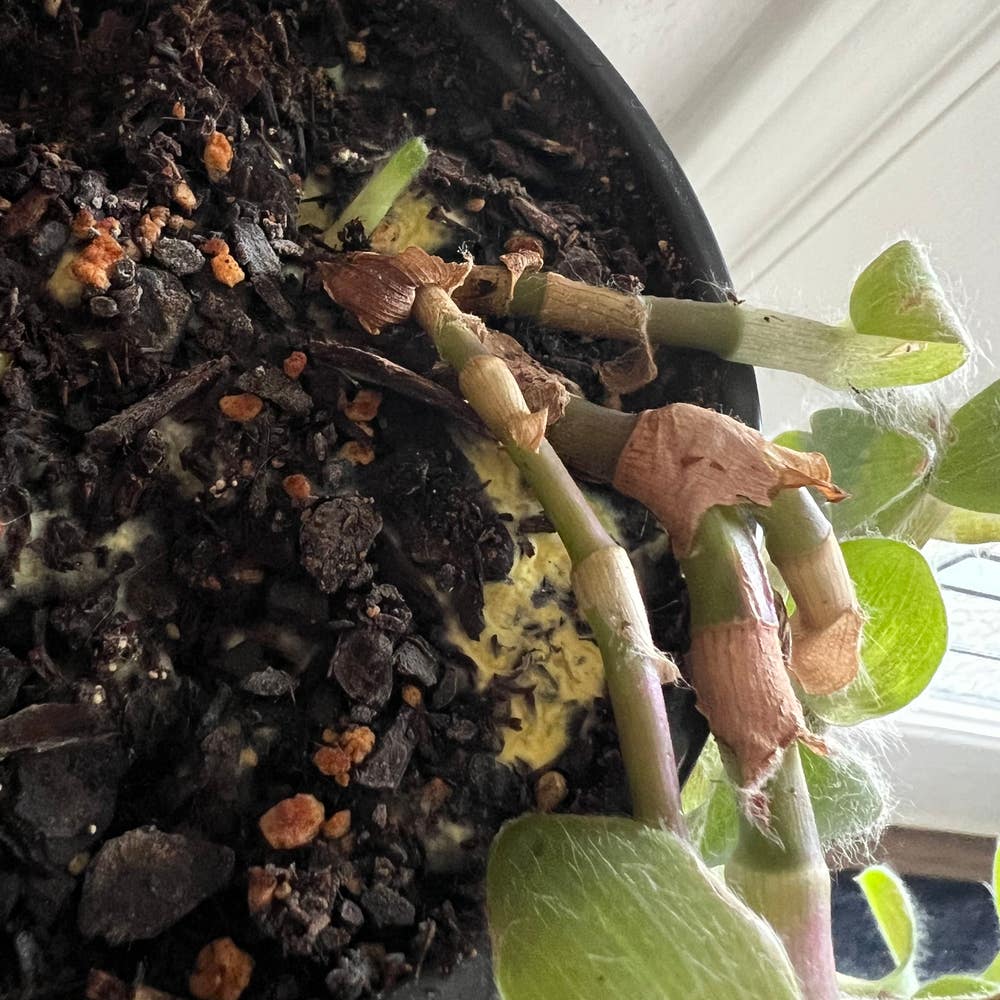
Propagating White Velvet: The Ultimate Guide
Tradescantia sillamontana
By the Greg Editorial Team
Jun 17, 2024•5 min read
This article was created with the help of AI so we can cover more plants for you. May contain errors. See one? Report it here.
Propagate your White Velvet to lush perfection 🌿 with this fail-proof guide to multiplying your green oasis!
- Stem, leaf cuttings, or division - choose your White Velvet propagation method.
- 🌡️🌿 Ideal conditions: 68-73°F, 85% humidity, bright indirect light.
- Monitor and maintain for healthy growth and to prevent common pitfalls.
Choosing Your Propagation Method
🌱 Stem Cuttings
To kick off stem propagation, select robust stems with healthy leaves. With sterilized shears, snip below a leaf node and strip the lower foliage. A dip in rooting hormone can boost root growth.
🚰 Rooting in Water
Submerge the cut end in water, ensuring no leaves are underwater. Change the water regularly to prevent stagnation. Roots should appear in a few weeks.
🌱 Rooting in Soil
For soil rooting, plant the stem in moist, well-draining mix. Cover with a plastic bag to maintain humidity. Avoid soggy soil to prevent rot.
🍃 Leaf Cuttings
Leaf propagation begins with choosing a healthy leaf. Cut it with a bit of stem attached, and either place it in water or press it into soil. New growth will emerge at the base.
🌿 Division
Division is straightforward: separate the plant at the roots, ensuring each division has roots and foliage. Replant promptly in fertile soil and water moderately to encourage establishment.

Creating the Perfect Propagation Environment
🌡️ Temperature and Humidity
Creating the ideal conditions for White Velvet propagation is like tuning an instrument; it's all about finding that sweet spot. Your cuttings and divisions are looking for a cozy spot with temperatures hovering between 68°F and 73°F. If you're going the extra mile with bottom heat, keep the air slightly cooler to balance it out.
Humidity is the secret sauce here, folks. Aim for a relative humidity of 85%—not quite a sauna, but enough to keep those baby plants from throwing in the towel. Think of it as creating a mini tropical getaway, right on your windowsill.
🌞 Light and Space
Now, let's talk about the VIP of propagation: light. Your White Velvet cuttings are sun worshippers, but they prefer the protection of a nice, bright shade. Bright, indirect light is the name of the game, with a south- or west-facing windowsill as the MVP spot.
Space is just as crucial. Give your propagations room to breathe and stretch their roots. Crowding is a no-go; it's like being stuck in a middle seat on a long flight. Generous spacing ensures good airflow and reduces the chance of a fungal mosh pit breaking out. Keep it roomy, keep it airy, and watch your green babies thrive.

Aftercare for Propagated White Velvet
💧 Watering and Feeding
Navigating the delicate balance of moisture and nutrients is crucial for your young White Velvet plants.
💦 Watering Best Practices:
Water when the top inch of soil feels dry to the touch. Overwatering is a rookie mistake; it's like throwing a pool party without a pool. Keep the soil moist, but not soggy—think of it as the plant equivalent of a damp sponge.
🌱 Feeding Finesse:
A diluted liquid fertilizer monthly will give your plants a growth boost, but don't overdo it. They're like teenagers; they need food to grow, but too much junk food (fertilizer) isn't good either.
📈 Monitoring Growth
Keep a vigilant eye on your White Velvet's development.
🌿 Growth Indicators:
Healthy foliage and firm stems are your green thumbs up. If your plant's leaves are more droopy than a Monday morning, it's time to reassess your care strategy.
🌍 Environmental Stability:
Maintain a consistent environment—avoid placing your plant near air conditioners or heaters. Think of your plant's ideal environment as a cozy blanket fort, safe from the outside world's chaos.
🐜 Pests and Problems:
Watch out for uninvited guests like aphids and spider mites. Catch them early, and you can evict them with a simple wipe-down. If they throw a house party, you might need to bring in the insecticidal bouncers.

Overcoming Propagation Pitfalls
🌱 Common Issues
🍄 Root Rot
Root rot is like the boogeyman of propagation—silent but deadly. If your White Velvet's roots are mushy, it's time for surgery. Trim the dead weight and let the healthy roots breathe before replanting in fresh, well-draining soil. Overwatering is your enemy here; keep it in check.
🐜 Pests and Diseases
Pests and diseases are the uninvited guests at your propagation party. Airflow is your best friend, keeping fungal fiends like gray mold at bay. If pests do crash the party, show them the exit with a soapy water solution or a dab of isopropyl alcohol.
🎨 Variegation Loss
Is your White Velvet losing its variegation? It might be begging for more light. Bright, indirect sunlight can help keep those patterns vibrant, but direct sun is a no-go.
🐢 Slow Growth
If your cutting is more sloth than sprinter, it's likely yearning for more light. Find that sweet spot of bright, indirect sunlight to encourage growth without turning your plant into a crispy critter.
💡 Preventative Measures
🔍 Inspection and Isolation
Got bugs? Time to play detective. Inspect your White Velvet regularly and isolate any infected plants to stop pests from throwing a house party.
🌡️ Environmental Consistency
White Velvet is a bit of a diva when it comes to its environment. Consistency is key—avoid drafts and keep the temperature and humidity steady to avoid stressing out your plant.
🌱 Proactive Propagation Practices
Remember, propagation is a learning curve. Embrace the challenges, and you'll be a green thumb guru in no time. Keep your tools clean, your eyes peeled for trouble, and your watering can in moderation.
⚠️ Safety First
This content is for general information and may contain errors, omissions, or outdated details. It is not medical, veterinary advice, or an endorsement of therapeutic claims.
Always consult a qualified healthcare professional before using any plant as food, medicine, or supplement.
Never eat any plant (or feed one to pets) without confirming its identity with at least two trusted sources.
If you suspect poisoning, call Poison Control (800) 222-1222, the Pet Poison Helpline (800) 213-6680, or your local emergency service immediately.
Spotted an error? Please report it here.
Ensure your White Velvet propagation flourishes by following this guide and using Greg's 🌱 custom reminders for the ideal care environment and aftercare practices.