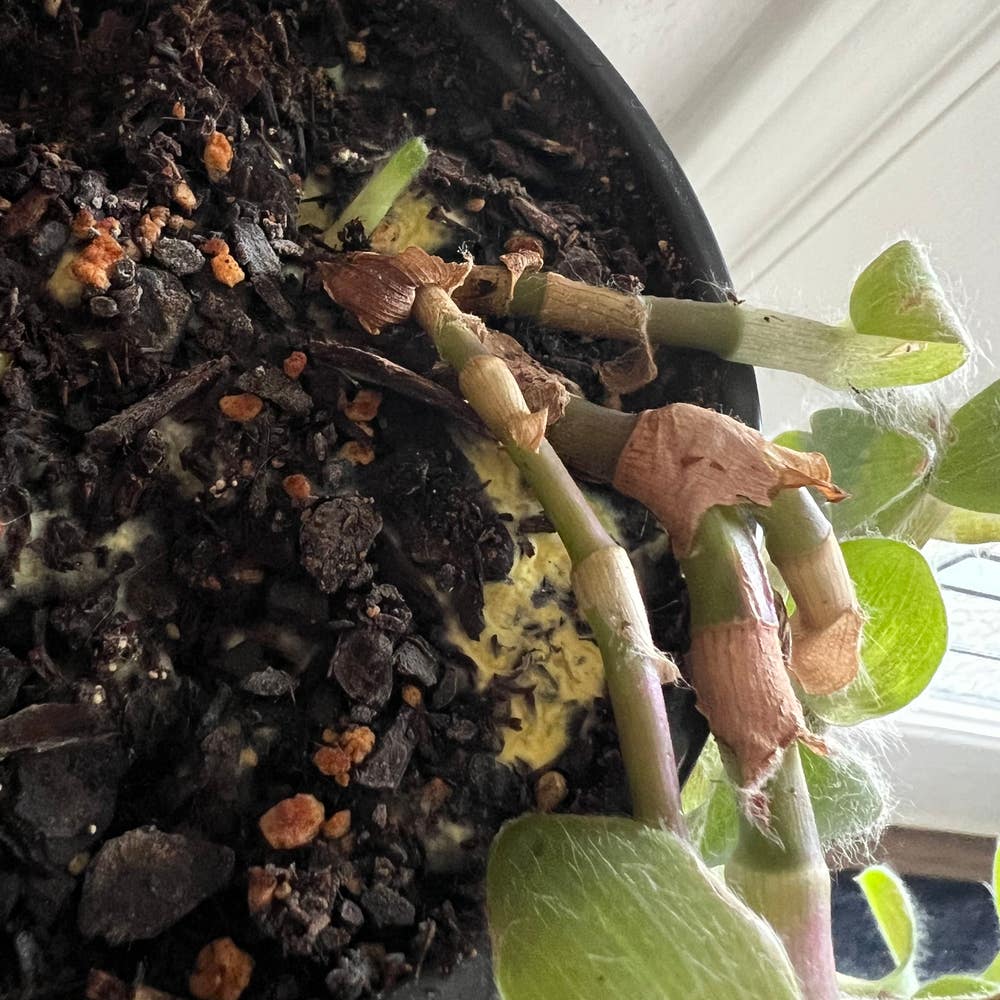
🐛 What's Eating Your White Velvet
Tradescantia sillamontana
By the Greg Editorial Team
Sep 30, 2024•5 min read
This article was created with the help of AI so we can cover more plants for you. May contain errors. See one? Report it here.
Safeguard your White Velvet from pesky herbivores 🌱 with these expert tips for a flourishing garden ecosystem!
- 🦌 Deer and rabbits threaten White Velvet, causing stunted growth and stress.
- 🐦 Birds and squirrels damage fruits and bark, impacting yield and plant health.
- 🛡️ Effective deterrents include fencing, netting, and homemade repellents for protection.
Common Herbivores Affecting White Velvet
🦌 Deer
Signs of presence
Look for distinct hoof prints in soft soil and dark, pellet-like droppings near your White Velvet plants. These signs indicate that deer are frequent visitors.
Type of damage caused
Deer often browse on leaves and young shoots, stripping them away and leading to stunted growth. This can severely impact the overall health of your plants.
Beneficial vs. harmful interaction
Generally, deer interactions are harmful. If left unmanaged, they can decimate populations of White Velvet, making it crucial to implement protective measures.
Deterrent methods
To keep deer at bay, consider installing 8-foot tall fencing around your garden. Additionally, using commercial deer repellents or homemade solutions like garlic spray can be effective deterrents.
🐇 Rabbits
Signs of presence
Rabbits leave clean cuts on stems, indicating their feeding habits. You may also find small, round droppings scattered around the base of your plants.
Type of damage caused
These furry pests can cause severe damage to young shoots and leaves, leading to significant plant stress. Their appetite can quickly diminish the vigor of your White Velvet.
Beneficial vs. harmful interaction
Rabbits are generally harmful to your plants. Their feeding can significantly reduce plant health and growth.
Deterrent methods
To protect your plants, cover them with mesh netting to prevent rabbit access. You can also use organic repellents like cayenne pepper or predator urine for added protection.
🐿️ Squirrels
Signs of presence
Look for chewed bark and gnaw marks on stems, as well as nests in nearby trees. These signs indicate that squirrels are nearby.
Type of damage caused
Squirrels can strip bark, leading to plant stress and increased susceptibility to diseases. Their activities can weaken your plants over time.
Beneficial vs. harmful interaction
While squirrels can help with seed dispersal, they are generally harmful. Their bark stripping can compromise the health of your White Velvet.
Deterrent methods
To deter squirrels, use reflective objects or noise-making devices in your garden. Setting humane traps can also help relocate them safely.
🐦 Birds
Signs of presence
Look for small peck marks on leaves or fruits, as well as visible nests in nearby trees or shrubs. These signs indicate that birds are feeding in your garden.
Type of damage caused
Birds can feed on fruits and flowers, reducing both yield and aesthetic appeal. Their feeding habits can significantly impact your garden's productivity.
Beneficial vs. harmful interaction
Bird interactions are mixed. While some birds assist with pollination, others can cause damage to your plants.
Deterrent methods
To protect your fruits, use bird netting as a barrier. Hanging shiny materials can also deter birds from feasting on your plants.
🐭 Rodents (Mice, Voles)
Signs of presence
Look for small holes or pathways in the soil, along with dark, small droppings near the base of your plants. These signs indicate rodent activity.
Type of damage caused
Rodents can cause root damage, leading to plant instability and even death. Their burrowing can severely affect the health of your White Velvet.
Beneficial vs. harmful interaction
Rodents are generally harmful. Their presence can lead to significant damage to your plants.
Deterrent methods
To control rodent populations, use snap traps or live traps. Additionally, modifying the habitat by removing debris and tall grass can reduce their hiding spots.
By understanding the common herbivores affecting your White Velvet, you can take proactive steps to protect your plants and ensure a thriving garden. Next, let’s explore general strategies for protecting White Velvet from these herbivores.
General Strategies for Protecting White Velvet
🦋 Beneficial Animals and Ecosystem Impact
White Velvet plants attract a variety of beneficial animals that play crucial roles in the garden ecosystem.
Pollinators like bees and butterflies are essential for flower fertilization, ensuring vibrant blooms and fruitful yields.
Predatory insects, such as ladybugs and lacewings, help keep pest populations in check, reducing the need for chemical interventions.
The presence of these beneficial creatures leads to enhanced pollination, which translates to better fruit production. Moreover, natural pest control fosters a healthier garden environment, promoting biodiversity.
🛡️ Preventive and Reactive Solutions
To protect your White Velvet, consider implementing both preventive and reactive strategies.
Preventive measures include:
- Fencing: Installing physical barriers can effectively shield plants from herbivores.
- Companion planting: Growing plants that deter herbivores alongside White Velvet can create a more resilient garden.
For reactive solutions, you can:
- Set traps for immediate control of rodent populations.
- Apply organic repellents regularly to deter unwanted visitors.
Maintaining a balanced garden ecosystem is key. Encourage beneficial insects and animals while managing harmful ones to create a thriving environment for your White Velvet.
By integrating these strategies, you can cultivate a flourishing garden that not only protects your plants but also supports a diverse ecosystem. Next, let's explore seasonal considerations and the potential toxicity of White Velvet to various animals.
Seasonal Considerations and Toxicity
🌱 Seasonal Variations in Animal Attraction
Spring is a critical time for White Velvet. As herbivores emerge from hibernation, young shoots become particularly vulnerable to their appetites.
In summer, the situation intensifies. The fruits of White Velvet attract a variety of animals, increasing the risk of damage significantly.
⚠️ Toxic Effects of White Velvet
Interestingly, White Velvet has mild toxicity that may deter some herbivores. However, this isn't a foolproof defense, as not all animals are affected.
Understanding the plant's toxicity can be a game-changer. It helps in managing animal behavior and protecting your precious White Velvet from unwanted nibblers.
Incorporating this knowledge into your gardening strategy can lead to healthier plants and a more balanced ecosystem. As you navigate the seasonal challenges, remember that awareness is your best ally.
⚠️ Safety First
This content is for general information and may contain errors, omissions, or outdated details. It is not medical, veterinary advice, or an endorsement of therapeutic claims.
Always consult a qualified healthcare professional before using any plant as food, medicine, or supplement.
Never eat any plant (or feed one to pets) without confirming its identity with at least two trusted sources.
If you suspect poisoning, call Poison Control (800) 222-1222, the Pet Poison Helpline (800) 213-6680, or your local emergency service immediately.
Spotted an error? Please report it here.
Keep your White Velvet thriving 🌱 by using Greg's personalized tips to fend off pesky deer, rabbits, and squirrels while creating a flourishing garden ecosystem!