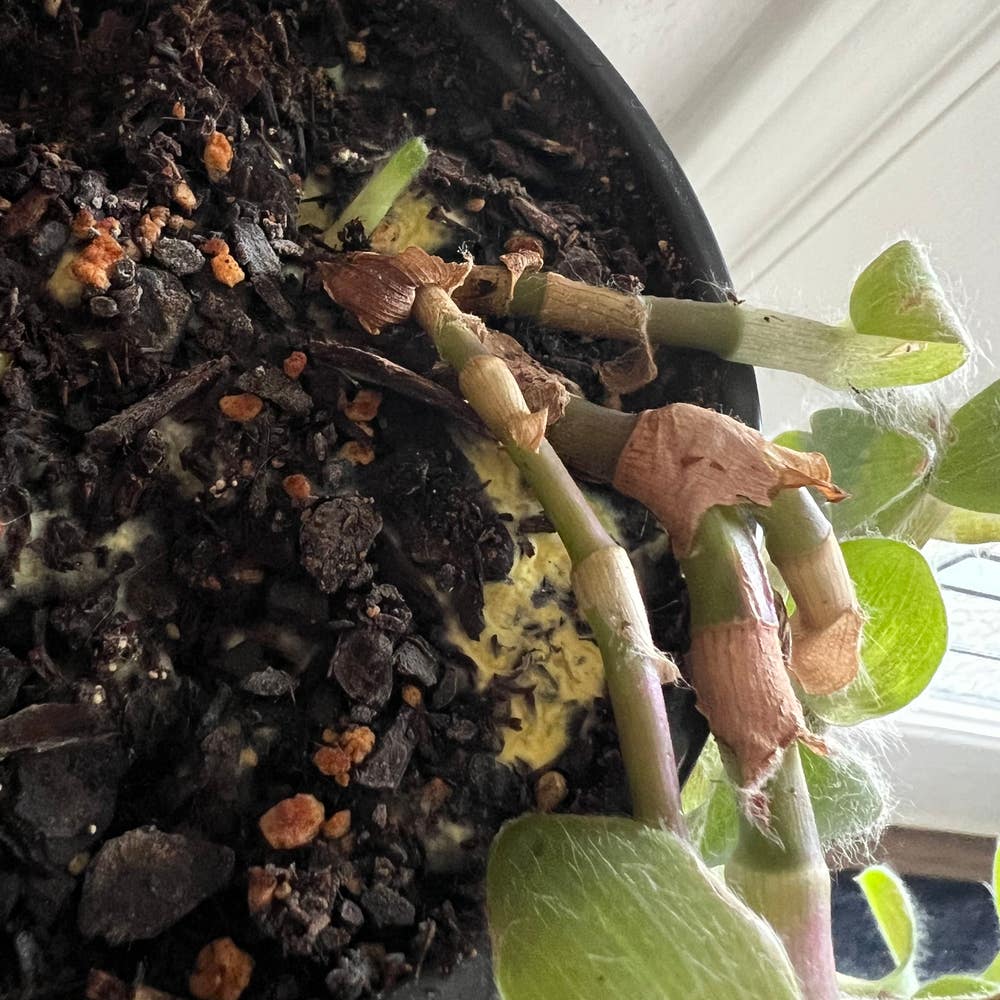
How Frequently Should I Water My White Velvet?
Tradescantia sillamontana
By the Greg Editorial Team
Jun 17, 2024•6 min read
This article was created with the help of AI so we can cover more plants for you. May contain errors. See one? Report it here.
Nurture your White Velvet to perfection by mastering its precise watering needs! 🌱💧
- Adjust watering with seasons: more in warm months, less in winter.
- Room-temp water for health: prevents root shock and diseases.
- Monitor soil and plant signs: for optimal watering frequency adjustments.
Watering Frequency for White Velvet
💧 Understanding the Basics
White Velvet plants demand attention to detail when it comes to watering. They thrive when the soil is allowed to dry out between sessions, making a one-size-fits-all approach ineffective.
🌞 Seasonal Adjustments
During the warmer months, White Velvet's thirst increases. Watering should be more frequent to support its growth. Conversely, in winter, when the plant enters dormancy, reduce the frequency to prevent soggy soil which can lead to root rot.
🌍 Environmental Considerations
Indoor conditions vary, impacting how quickly soil dries. Factors like air conditioning, heating, and natural humidity play roles. Adjust watering accordingly, ensuring the soil's top inch feels dry before the next watering.
🌱 Growth Stage and Pot Size
Younger plants or those in smaller pots may require more frequent watering due to limited soil volume. As White Velvet matures or is repotted into larger containers, it will retain moisture longer, necessitating less frequent watering.
👀 Monitoring for Mastery
There's no universal watering schedule; it's a dance with nature. Observe your plant closely, respond to its cues, and you'll master the art of keeping your White Velvet perfectly quenched.

Watering Techniques for White Velvet
🚰 Room-Temperature Water
Always use room-temperature water. Cold water can shock the roots, while hot water can harm them.
🍽️ Controlled Watering
Controlled watering ensures even moisture distribution. Water directly at the soil level, avoiding the leaves to prevent fungal diseases.
💧 Soil Moisture Check
Before watering, check the soil moisture. If the top inch feels dry, it's time to water. A moisture meter can be a handy tool for precision.
🌊 Avoid Overwatering
Overwatering is a no-go. Ensure the plant's soil is well-draining; mix in perlite or vermiculite to improve drainage.
🏜️ Partial Drying
Let the soil partially dry out between watering sessions. This prevents root rot and promotes healthy root growth.
🌦️ Seasonal Adjustments
Adjust watering frequency with the seasons. Water less during the plant's dormant winter period.
🌱 Mulching
Consider mulching to retain moisture, but keep it away from the stem to avoid rot.
💦 Watering Techniques
The soak method can be effective for thorough watering. Submerge the pot in water until bubbles stop, then remove.
🌿 Monitoring
Regularly monitor your plant's response to watering. Adjust as needed to maintain the perfect balance of moisture.

Signs of Proper Watering
💧 Visual Cues of Adequate Hydration
Healthy foliage is the first sign your White Velvet is getting just the right amount of water. Leaves should be vibrant and robust, not limp or discolored. Firm stems support the plant's structure, indicating that it's well-hydrated and able to transport nutrients effectively.
🌱 Growth Patterns as Indicators
Consistent growth is another green flag. If your White Velvet is putting out new leaves and stems at a steady rate, you're likely hitting the watering sweet spot. Slow or stunted growth could signal a need to reassess your watering routine.
🕵️ Monitoring and Adjusting
Regular monitoring is crucial. Notice a change in leaf color or texture? It's your plant's cry for help. Adjust your watering accordingly, and remember that less is often more during the dormant winter months.
🌿 Recognizing Turgor Pressure
Plants use water pressure, known as turgor pressure, to maintain strength and structure. A White Velvet with ample turgor pressure will have leaves and stems that are neither wilted nor wrinkled.
🏞️ The Role of Soil
Check the soil between waterings. It should be dry to the touch before you water again. Overly moist soil can lead to root rot, while bone-dry soil can cause dehydration. Strive for that perfect moisture balance.
🌍 Environmental Consistency
Keep your White Velvet's environment consistent. Sudden changes in temperature or humidity can stress your plant, affecting its water needs. Aim for a stable environment to facilitate regular water uptake.
🌱 Observing Response to Watering
After watering, observe your plant's response. A quick perk-up is a good sign, indicating that the water is reaching where it's needed. No change might mean you need to investigate further for potential issues.

Troubleshooting Watering Issues
💦 Overwatering: The Soggy Culprit
Overwatering is like giving your plant an unwanted bath. It's not just about too much water; it's about timing. Root rot is the plant's cry for help—it's the equivalent of a "Do Not Disturb" sign gone ignored. If the leaves of your White Velvet are turning yellow or the growth is stunted, it's time to rethink your watering schedule. Let the soil dry out before you water again. Remember, your plant's roots need to breathe, not swim.
🏜️ Underwatering: The Thirsty Foe
Conversely, underwatering turns your White Velvet into a desert wanderer, longing for a drop of relief. Dry, brown tips and wilting are the plant's SOS signals. If the soil is as dry as a forgotten loaf of bread, it's time to quench that thirst. Increase watering frequency, but don't drown the plant in your enthusiasm. Consistency is key—keep the soil moist, but not waterlogged.
🩹 The Root of the Problem
If you suspect root rot, it's time for some plant surgery. Gently remove the plant from its pot and inspect the roots. Healthy roots are like fresh al dente pasta—firm and white. If they're brown and mushy, trim the damage and repot in fresh, well-draining soil.
🌡️ Environmental Consistency
Keep your White Velvet's environment as stable as a seasoned yogi. Avoid placing it near air conditioners or heaters, as these can create the botanical equivalent of a roller coaster ride for your plant. Consistent temperature and humidity are the comfort food for your White Velvet.
🔄 The Right Response
When you've gone too far in either watering direction, don't overcompensate. Gradual changes are the name of the game. If you've been underwatering, don't flood the plant; reintroduce water slowly. If you've overwatered, resist the urge to put your plant on a water diet. Instead, allow the soil to dry out to a comfortable level before watering again.
🕵️ Monitoring and Adjustment
Keep a watchful eye on your White Velvet like a plant detective. Regular monitoring will help you catch issues early and adjust your care routine before they turn into plant-sized problems. Remember, the best remedy is prevention, so get to know your plant's preferences and stick to them.
⚠️ Safety First
This content is for general information and may contain errors, omissions, or outdated details. It is not medical, veterinary advice, or an endorsement of therapeutic claims.
Always consult a qualified healthcare professional before using any plant as food, medicine, or supplement.
Never eat any plant (or feed one to pets) without confirming its identity with at least two trusted sources.
If you suspect poisoning, call Poison Control (800) 222-1222, the Pet Poison Helpline (800) 213-6680, or your local emergency service immediately.
Spotted an error? Please report it here.
Let your White Velvet thrive by using Greg to tailor 🌱 watering reminders to your plant's needs, ensuring it gets just the right amount of moisture without the guesswork.