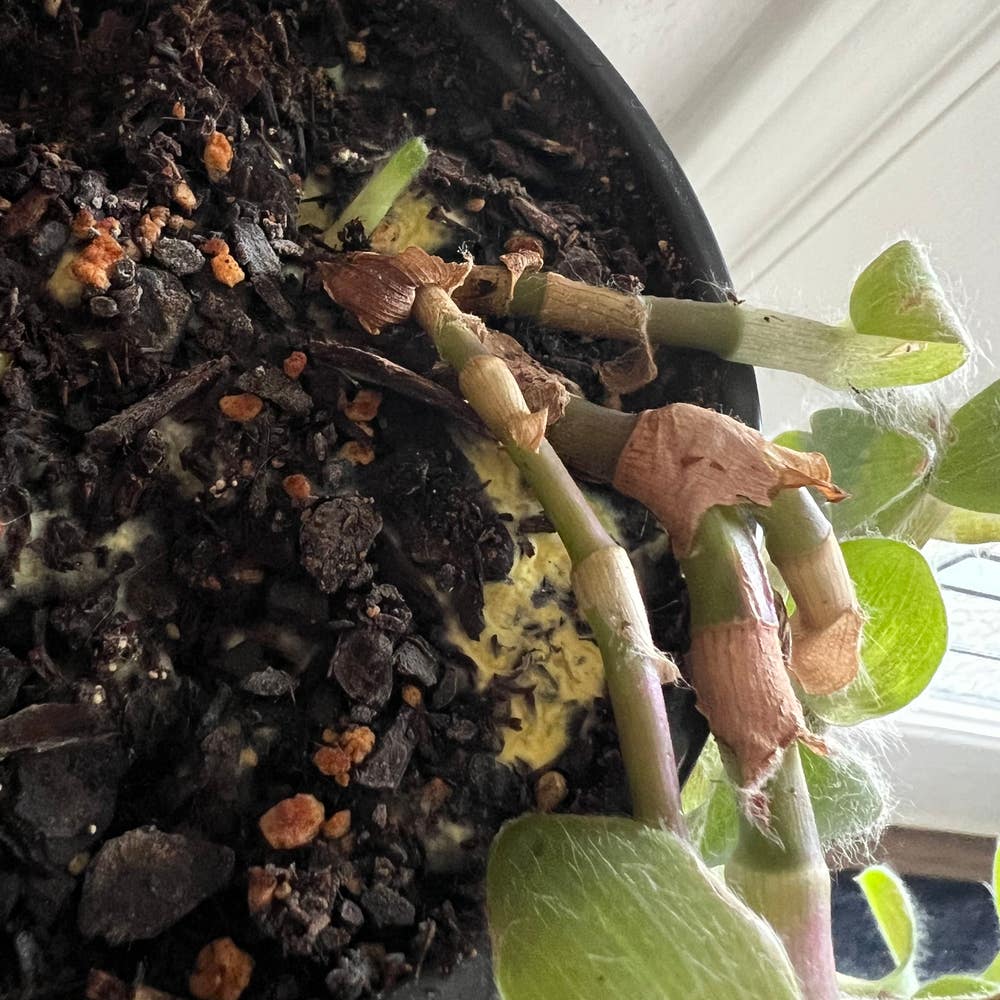
Is Direct Sunlight Good for My White Velvet?
Tradescantia sillamontana
By the Greg Editorial Team
Jun 17, 2024•3 min read
This article was created with the help of AI so we can cover more plants for you. May contain errors. See one? Report it here.
Nurture your White Velvet to lush perfection by finding its sunlight sweet spot! 🌿☀️
- Direct sunlight's double-edged sword for White Velvet: beneficial but risky.
- 🌞🌱 Find the 'Goldilocks zone' of sunlight to keep White Velvet thriving.
- Rotate and shield to protect from intense rays and ensure even growth.
Sunlight Simplified for White Velvet
Direct sunlight is the unfiltered solar embrace that reaches your White Velvet, akin to a spotlight on a stage. It's the difference between basking in the full glare of the sun and lounging in the gentle glow of a shaded area. For White Velvet, this distinction is critical.
🌞 What 'Direct Sunlight' Really Means for White Velvet
Direct sunlight can be a double-edged sword for your leafy companion. While it craves the sun's energy for photosynthesis, too much can lead to the botanical equivalent of a sunburn. Imagine the leaves as delicate skin; without protection, they can crisp up, showcasing bleach spots or brown, crispy edges.
🎯 White Velvet's Tolerance to Direct Rays
White Velvet has a specific threshold for sunlight. Too little, and it may become a shadow of its former self, with leaves turning pale or yellow—its way of pleading for more light. Too much, and it can suffer from the plant version of heatstroke, with scorched leaves and faded beauty. It's about finding that Goldilocks zone of just right.

Tailoring Sunlight to Your White Velvet's Taste
Finding the Goldilocks zone for your White Velvet means balancing direct sunlight with the risk of scorch. Too little light, and it's a droopy, leaf-dropping affair. Too much, and you're in the burn unit. Aim for a spot that basks in gentle morning light or enjoys the softer rays of the afternoon.
As the seasons shift, your White Velvet's sunbathing preferences might too. Summer might call for a step back from the window, while winter could mean cozying up closer to catch those scarce rays. Stay observant; your plant will drop hints if it's unhappy.
🌞 Window Wisdom: Direction Matters
North, South, East, West—the direction your window faces can make or break your White Velvet's mood. North windows are the introverts, offering consistent but modest light. South windows are the life of the party, with sun galore—maybe too much. East windows serve up a balanced breakfast of morning sun, while West windows are the afternoon coffee hit—intense and possibly overwhelming.
Hemisphere highlights play a role too. If you're chilling in the Northern Hemisphere, south-facing windows are your go-to. Flip the script in the Southern Hemisphere, and it's north-facing windows that win the prize. Your White Velvet doesn't have a compass, but it knows what it likes—adjust accordingly.

Protecting White Velvet from Too Much Sun
Shielding White Velvet from harsh light is like giving it a pair of sunglasses. Too much direct sunlight can lead to a botanical sunburn, leaving your plant with crispy, discolored leaves. To prevent this, place your White Velvet a few feet away from south-facing windows where the sun is most intense.
⚠️ When to Move
Watch for warning signs like yellowing or withered leaves. These are your White Velvet's way of crying out for less light. If you spot reddish-purple freckles on the foliage, it's time to act. Move your plant to a shadier spot pronto to stop the sunburn.
🌱 Acclimatization: Helping White Velvet Adjust
Gradual Introductions
When changing your White Velvet's spot, think slow and steady. Start by placing it in a bright area for a week before moving it closer to the window. This gradual introduction helps prevent leaf loss and sunburn.
🌿 The Art of Dappled Light
Sheer curtains are your go-to for creating the perfect dappled light. They act as a light filter, protecting your White Velvet from intense rays while still letting through enough sunshine for healthy growth. Rotate your plant occasionally to ensure even light exposure and prevent leaning.

⚠️ Safety First
This content is for general information and may contain errors, omissions, or outdated details. It is not medical, veterinary advice, or an endorsement of therapeutic claims.
Always consult a qualified healthcare professional before using any plant as food, medicine, or supplement.
Never eat any plant (or feed one to pets) without confirming its identity with at least two trusted sources.
If you suspect poisoning, call Poison Control (800) 222-1222, the Pet Poison Helpline (800) 213-6680, or your local emergency service immediately.
Spotted an error? Please report it here.
Ensure your White Velvet thrives in just the right light by using Greg to measure and adjust ☀️🌿 its spot for the perfect "Goldilocks zone" of sunlight.