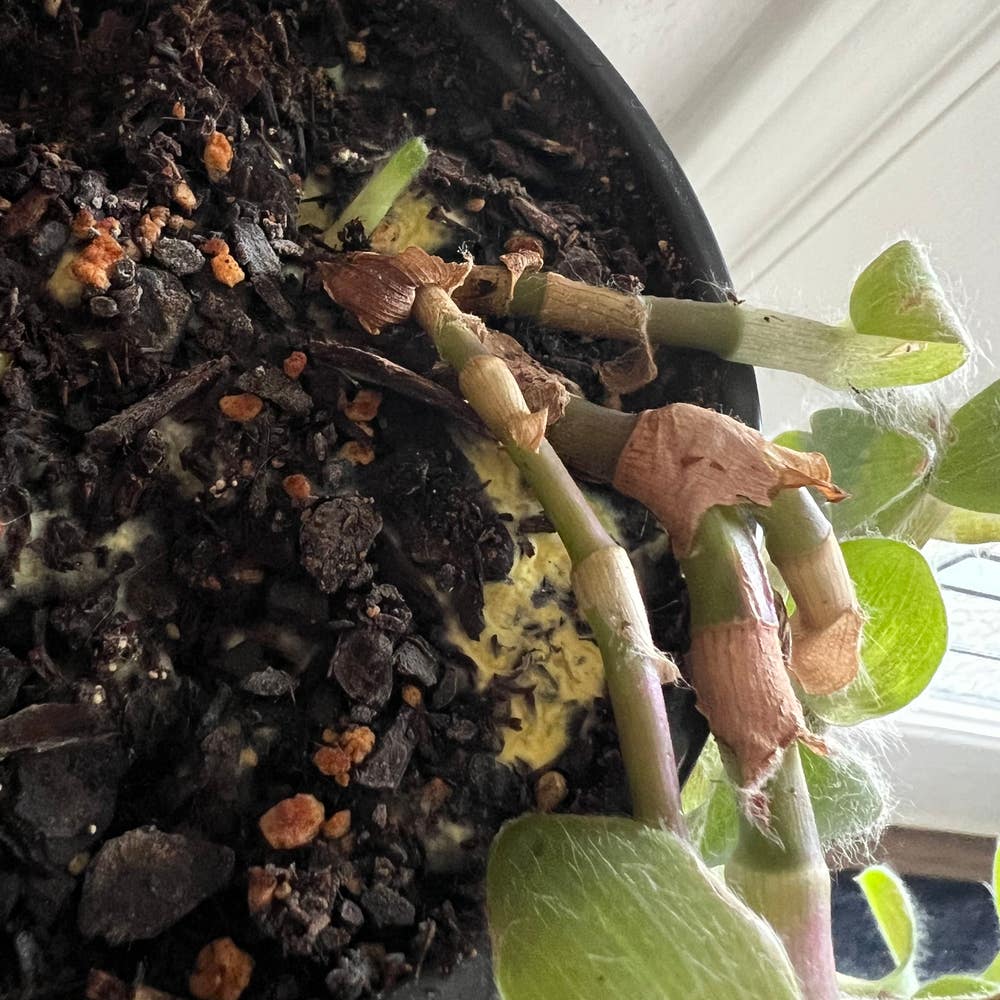
Black Spots on My White Velvet Leaves
Tradescantia sillamontana
By the Greg Editorial Team
Jun 17, 2024•4 min read
This article was created with the help of AI so we can cover more plants for you. May contain errors. See one? Report it here.
Banish black spots on White Velvet leaves with this definitive care guide! 🌿✨
- Fungal vs. bacterial spots: Tan/brown or black/dark brown with odor, respectively.
- Prevent with care: Proper watering, air circulation, and sunlight are crucial.
- Treat promptly: Use fungicides, home remedies, or copper-based products as needed.
Spotting the Trouble: Recognizing Black Spots on White Velvet
In the realm of White Velvet plants, black spots are like blemishes on a perfect complexion. Here's how to spot and understand them.
🕵️ Visual Characteristics of Black Spots
Black spots on White Velvet leaves often start as tiny specks. They may expand into larger circles or irregular shapes, sometimes with a yellowish halo. These spots typically appear on the top side of the leaves, but don't ignore the undersides—grab a magnifying glass if necessary.
🖼️ Using Visuals for Identification
Photographic evidence is your ally. Compare your plant's spots with images of healthy and affected White Velvet leaves. Look for patterns in the spots' appearance and distribution. This visual reconnaissance can be crucial for early detection and effective treatment.

Rooting Out the Causes
🍄 Fungal Foes
Fungal infections often masquerade as tan or brown leaf spots. They can enter through wounds, so it's crucial to keep your plant's defenses up. Withering leaves en masse? Fungi might be your uninvited guests.
🦠 Bacterial Bullies
Bacterial infections can be sneakier, presenting as black or dark brown spots. Leaves may look water-soaked or emit a foul odor if the bacteria have thrown a wild party. Unlike fungi, bacteria can turn your plant's habitat into a blight-ridden landscape.
🌿 Environmental Stressors
Your care routine could be unwittingly inviting these pathogens to the party. Overwatering, poor air circulation, and high humidity are like rolling out the red carpet for these unwanted guests. Keep the environment around your White Velvet in check to avoid giving these culprits a home.

Crafting Your Battle Plan: Treatment Tactics
🛡️ Fungicide to the Rescue
Choosing the right fungicide is like picking your best warrior for battle. Read labels as if they're treasure maps, leading to plant salvation. Mix accurately—no room for a cavalier dash-of-this-and-that.
- Apply fungicides at the first sign of trouble, covering every leaf meticulously, front and back. It's like armor; gaps can be fatal. Repeat as directed, because fungi are the ultimate cling-ons.
🌿 Home Remedies for the Organic Gardener
For those who prefer a gentler approach, baking soda is your friend. Mix ½ teaspoon per gallon of water for a mild, yet effective, antifungal spritz.
- Cinnamon and chamomile tea can also be your allies. Sprinkle cinnamon directly on the soil or water with chamomile to create an unwelcoming environment for fungi.
💥 Bacteria Busters
When bacterial spots strike, copper-based products or Bordeaux mixture can be your shield. Apply as directed, but remember, prevention is your best defense.
- Biological control agents are the unsung heroes, working silently to keep bacterial populations down. They're like your garden's secret service.
🌞 Environmental Adjustments
Air circulation and sunlight are the dynamic duo in this saga. Keep your plants spaced for good airflow and ensure they bask in ample light to ward off fungal foes.
Watering in the early morning lets leaves dry out, reducing the allure for fungi. Ensure soil is moist but never waterlogged to discourage root rot.
Sterilize your tools and avoid cross-contamination. It's like keeping your swords clean in between battles.

Keeping Your White Velvet Spotless
🕵️ Proactive Tips for Pristine Leaves
Regular inspections are your first line of defense. Like a plant sleuth, scrutinize your White Velvet for early signs of black spots. Catching them early means less drama for both you and your plant.
Garden hygiene is non-negotiable. Promptly remove any fallen or infected leaves. Think of it as taking out the trash before it stinks up the place.
🌡️ Environmental Control
Ensure proper humidity levels and good air circulation. It's like setting the thermostat for comfort—too humid invites pests, too dry, and your plant might start to stress.
Watering practices need to be just right. Overwatering is a no-go—it's the equivalent of leaving the door wide open for fungus gnats. Keep the soil moist but not a swamp.
👀 Pest Vigilance
Watch for pests like you're guarding a treasure. Mealybugs and spider mites are the plant world's pirates, and your White Velvet is the treasure chest. Isolate new plants and keep your tools clean to avoid these pesky invaders.
📚 Knowledge is Power
Stay informed about the latest in plant care. It's like updating your antivirus—knowledge keeps you one step ahead of the black spot plague.
⚠️ Safety First
This content is for general information and may contain errors, omissions, or outdated details. It is not medical, veterinary advice, or an endorsement of therapeutic claims.
Always consult a qualified healthcare professional before using any plant as food, medicine, or supplement.
Never eat any plant (or feed one to pets) without confirming its identity with at least two trusted sources.
If you suspect poisoning, call Poison Control (800) 222-1222, the Pet Poison Helpline (800) 213-6680, or your local emergency service immediately.
Spotted an error? Please report it here.
Shield your White Velvet from unsightly black spots 🛡️ with Greg's precise humidity and air circulation tracking, plus timely reminders for essential fungicide treatments!