🥕 4 Tips for Healthy White Velvet Roots
Tradescantia sillamontana
By the Greg Editorial Team
Sep 30, 2024•5 min read
This article was created with the help of AI so we can cover more plants for you. May contain errors. See one? Report it here.
Master root health for thriving plants and unlock your gardening potential! 🌱✨
- 🌱 Healthy white velvet roots thrive with proper watering and well-draining soil.
- 🌿 Transplant in spring for optimal growth and avoid rootbound conditions.
- 🧪 Monthly balanced fertilization supports robust root health and nutrient absorption.
Characteristics of the Root System
Type: Fibrous Root System 🌱
The white velvet roots feature a fibrous root system, which is fantastic for efficient nutrient absorption. However, this system is sensitive to overwatering due to its shallow yet wide spread.
Root Depth and Spread 📏
Typically, these roots grow relatively shallow but spread wide, allowing for effective nutrient uptake. In favorable conditions, they exhibit rapid growth, making them quite resilient.
Growth Patterns 🌿
The growth patterns of these roots are impressive. They thrive when given the right conditions, quickly expanding to maximize their nutrient intake.
Understanding these characteristics is essential for maintaining healthy white velvet roots. With the right care, you can ensure they flourish beautifully.
Next, let’s dive into how to properly water and fertilize these roots for optimal health.
Watering and Fertilizing
🌱 Impact of Root System on Watering Needs
Understanding the watering needs of your white velvet roots is crucial. Their fibrous root system is sensitive to moisture, so it's essential to establish a consistent watering routine.
Aim to water when the top inch of soil feels dry. This helps prevent overwatering, which can lead to root rot.
🌿 Fertilization Techniques for Root Health
To keep your roots thriving, opt for balanced NPK fertilizers specifically designed for fibrous roots. These fertilizers provide essential nutrients that support robust growth.
During the growing season, fertilize monthly. Adjust your schedule based on how your roots are responding; healthy roots will show signs of vitality, while struggling ones may need more attention.
By mastering these watering and fertilizing techniques, you'll set the stage for a flourishing root system. Next, let's explore the best practices for transplanting and maintaining root health.
Transplanting and Root Health
Best Practices for Transplanting 🌱
Timing is crucial when it comes to transplanting your white velvet roots. The best seasons for repotting are spring and early summer, as this is when plants are actively growing. Look for signs like roots emerging from the drainage holes or stunted growth, which indicate it's time to give your plant a new home.
To ensure a smooth transplant, follow these steps:
- Prepare a slightly larger pot filled with fresh soil.
- Gently remove the plant, being careful not to damage the roots.
- Place the plant in the new pot, covering the roots with soil.
- Water thoroughly after transplanting to help settle the soil.
Recognizing Rootbound Plants 🪴
Understanding rootbound conditions is essential for maintaining healthy plants. A rootbound plant has roots that grow in circles, restricting growth and nutrient absorption.
Signs that your plant may be rootbound include:
- Stunted growth.
- Roots visibly emerging from drainage holes.
To alleviate this issue, consider repotting your plant. This involves gently loosening the roots and placing them in a larger pot, allowing for more space to grow.
By following these transplanting practices, you can ensure your white velvet roots thrive in their new environment. Next, we'll explore common root-related issues that can affect your plant's health.
Common Root-Related Issues
Identifying Root Rot and Other Diseases 🌱
Root rot is a sneaky problem that can devastate your plants. Look for symptoms like wilting, yellowing leaves, and mushy roots—these are clear indicators that something's off.
Fungal infections are another common issue that can compromise root health. They thrive in overly moist conditions and can lead to significant damage if not addressed promptly.
Preventative Measures for Root Health 🛡️
To keep your roots healthy, start with proper watering techniques. Allow the soil tpropagationlightly between waterings to prevent over-saturation.
Using well-draining soil is crucial for root health. It helps avoid waterlogging, which can lead to rot.
Regular root health assessments are also essential. Check your plants periodically to catch any issues before they escalate.
By following these best practices, you can maintain vibrant, healthy roots that support your plants' overall well-being.
Next, let’s explore visual cues that indicate root health, helping you to easily assess your plants’ conditions.
Visual Cues for Root Health
Indicators of Healthy vs. Unhealthy Roots 🌱
Healsoilroots are a gardener's pride. They should be white, firm, and free of any rot.
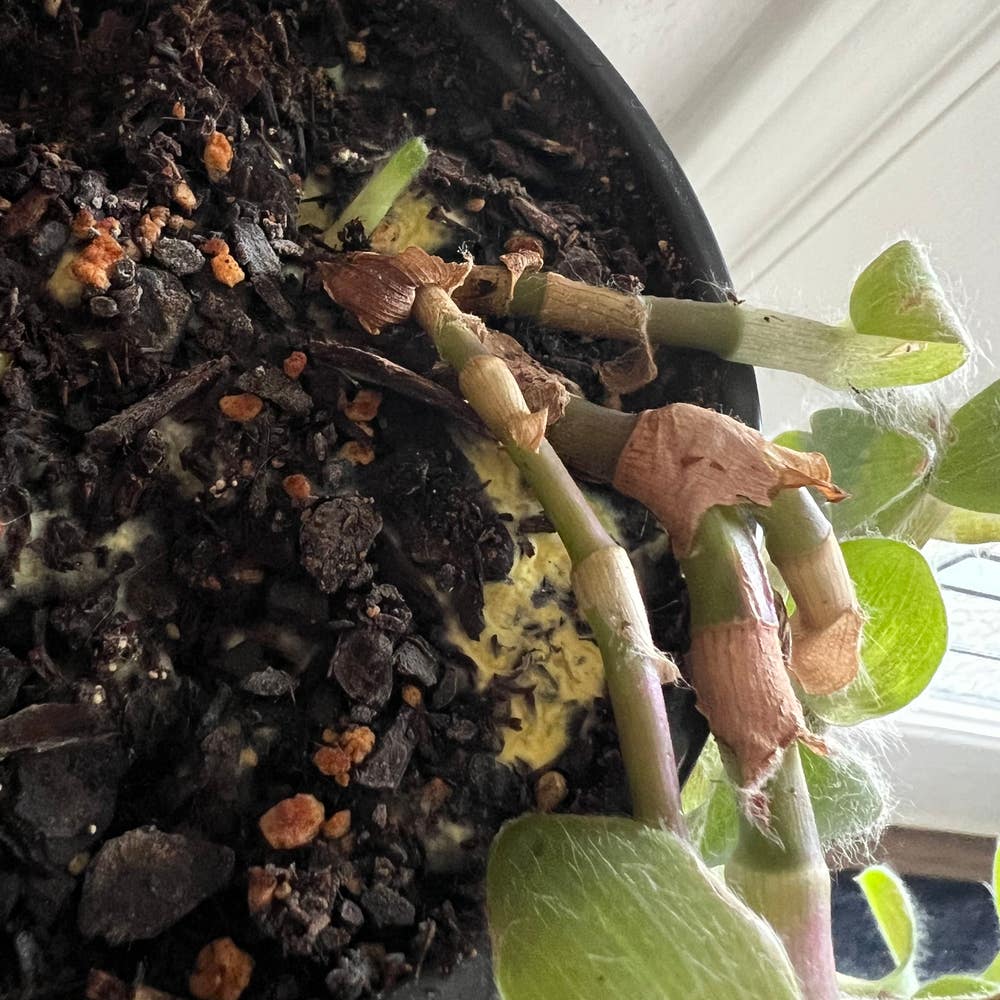
In contrast, unhealthy roots tell a different story. Look for brown, mushy roots that emit a foul smell—these are clear signs of trouble.
How to Assess Root Health Visually 🔍
Assessing root propagationtraightforward and can be done during repotting. Gently pull the plant from its pot and inspect the roots closely.
Pay attention to the soil and drainage as well. Signs like excessive moisture or a foul odor can indicate underlying root issues throot-related issues
By regularly checking your plants, you can catch problems early and keep your roots thriving. This proactive approach will ensure your plants remain healthy and vibrant.
Next, let’s explore propagation and division techniques to further enhance your gardening skills.
Propagation and Division Techniques
🌱 Importance of Root Health in Propagation
Healthy roots are crucial for successful propagation. They not only support new growth but also enhance the plant's resilience during the transition.
When roots are strong, they can better absorb nutrients and water, leading to vigorous new plants. This foundation is essential for thriving in their new environments.
✂️ Techniques for Dividing and Propagating
Steps for Successful Division
- Choose a Healthy Plant: Look for one with multiple stems, indicating robust growth.
- Carefully Separate Roots: Gently untangle the roots, minimizing damage to ensure survival.
- Replant Divisions: Place each division in suitable pots filled with fresh soil to promote healthy growth.
Timing for Propagation
The best seasons for propagation are spring and early summer. During these times, conditions are ideal for root establishment, allowing new plants to flourish.
By following these techniques, you can ensure that your propagation efforts yield strong, healthy plants ready to thrive in their new homes.
As you embark on your propagation journey, remember that nurturing root health is the key to success. This sets the stage for the next section, where we’ll explore common root-related issues and how to tackle them effectively.
⚠️ Safety First
This content is for general information and may contain errors, omissions, or outdated details. It is not medical, veterinary advice, or an endorsement of therapeutic claims.
Always consult a qualified healthcare professional before using any plant as food, medicine, or supplement.
Never eat any plant (or feed one to pets) without confirming its identity with at least two trusted sources.
If you suspect poisoning, call Poison Control (800) 222-1222, the Pet Poison Helpline (800) 213-6680, or your local emergency service immediately.
Spotted an error? Please report it here.
Nurture your white velvet roots to thrive 🌿 by using Greg's tailored reminders for watering and fertilizing, ensuring your plants grow strong and healthy!