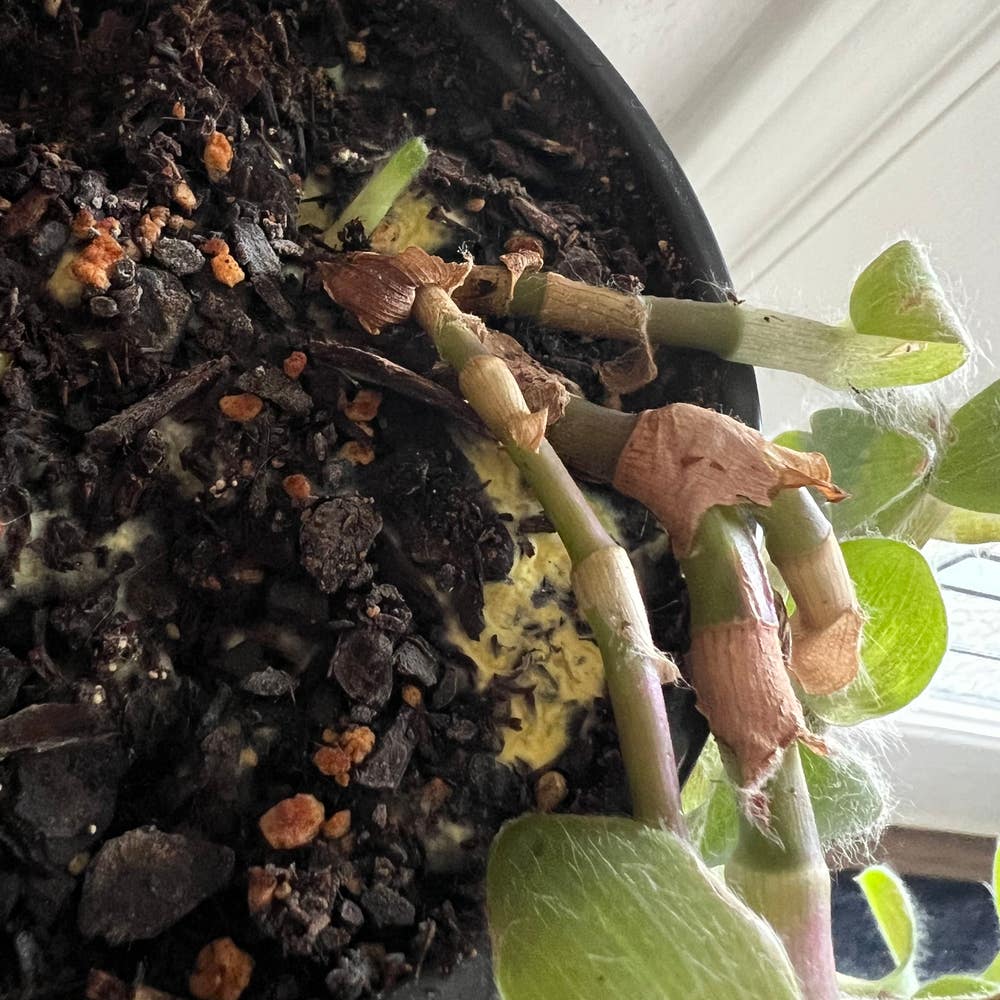
Why Are There Brown Spots on My White Velvet Leaves?
Tradescantia sillamontana
By the Greg Editorial Team
Jun 17, 2024•5 min read
This article was created with the help of AI so we can cover more plants for you. May contain errors. See one? Report it here.
Banish brown spots 🍂 and reclaim your White Velvet's lush allure with these expert care tips!
- Brown spots mar White Velvet's beauty, caused by water, light, pests, or disease.
- 🌱 Proper watering and light prevent sunburn and overwatering issues.
- 🍃 Good air flow and pest checks keep fungal diseases and pests at bay.
Understanding White Velvet Leaves
White Velvet plants, with their distinctive leaves, are a sight to behold, but they're also prone to unsightly brown spots. These leaves are covered in a delicate, white fuzz, giving them a velvety texture that's both a visual and tactile delight.
💭 Unique Characteristics
The leaves' soft fuzz is a double-edged sword; it contributes to their unique beauty but also makes them vulnerable. The fuzz can trap moisture, leading to fungal issues, while its delicate nature is easily damaged by pests or environmental stress.
🌿 Importance of Leaf Aesthetics
The velvety texture is more than just a tactile treat; it's central to the plant's appeal. Brown spots disrupt this aesthetic, drawing the eye and detracting from the plant's overall health and beauty. Maintaining the leaves' pristine condition is, therefore, crucial for the White Velvet's allure.
🎯 Susceptibility to Brown Spots
Factors like overwatering, underwatering, and sunburn can all lead to brown spots. These issues are exacerbated by the leaves' unique characteristics, making them more susceptible than those of other plants.
🖌️ Maintaining Aesthetics
It's not just about keeping the plant alive; it's about preserving its visual integrity. Brown spots can be a sign of deeper issues, and addressing them is key to maintaining the plant's ornamental value.
🏁 The Bottom Line
In essence, the White Velvet's leaves are its crowning glory, and keeping them spot-free is essential for both the plant's health and its role as a decorative piece.

Identifying Brown Spots Causes
💦 Overwatering: The Root of the Problem
Overwatering is like giving your plant an all-you-can-drink buffet when it's not thirsty. This misguided generosity often leads to brown spots, a classic sign of root rot. The soil should feel like a wrung-out sponge—moist but not soggy.
🏜️ Underwatering: A Thirsty Plant's Cry for Help
Conversely, underwatering turns your White Velvet into a parched desert wanderer, leaving it with crispy brown spots. The leaves droop, begging for a drink. Water deeply but infrequently to quench its thirst without drowning it.
🌞 Sunburn: Too Much of a Good Thing
Sunburn is the plant equivalent of a nasty summer tan, except White Velvet can't slap on sunscreen. Direct sunlight can scorch its delicate leaves, leaving behind unsightly brown blotches. Filtered light is the way to go—think sunglasses for your plant.
🍄 Fungal Infections: The Unwanted Guests
Fungal infections sneak in like unwanted party crashers, thriving in wet conditions. They leave behind a trail of brown spots as evidence. Improve air circulation and cut back on the humidity to show these fungi the door.
🐜 Pest Infestations: Tiny Terrors
Pests are the ninjas of the plant world—small, sneaky, and destructive. They suck the life out of leaves, leaving behind brown spots as battle scars. Keep an eye out for these tiny terrors and show them the exit with a gentle wipe of soapy water or a spritz of isopropyl alcohol.
The Takeaway
In short, your White Velvet's brown spots are distress signals. Address them promptly, and your plant will thank you by flaunting its unique velvety splendor once more.

Remedies and Prevention Techniques
💧 Adjusting Watering Practices
Proper hydration is key. White Velvet plants demand a Goldilocks approach to watering—not too much, not too little. Check the soil before watering; it should feel dry to the touch. Overzealous watering leads to root rot, a surefire way to invite those unsightly brown spots. Opt for well-draining soil and pots with drainage holes to avoid waterlogged roots.
☀️ Light Management for White Velvet
Sunburn isn't just a human woe; White Velvet leaves can get scorched too. These plants crave bright, indirect light. If you catch your White Velvet basking in a sunbeam, it's time to play musical chairs and move it to a spot with diffused light. Remember, too little light and you'll have a different kind of sad on your hands—stretchy, faded leaves.
🍄 Fungal Disease Prevention for White Velvet
Fungal foes love a humid hideout. Keep the air moving around your White Velvet with good circulation and consider a dehumidifier if your air feels more tropical than temperate. If you're in a pinch, a fan can work wonders. And if you're up against a stubborn fungal invasion, don't hesitate to break out the fungicides—just make sure they're plant-friendly.
🐜 Pest Control for White Velvet
Pests are the party crashers no one wants. Regular inspections of your White Velvet can catch these freeloaders before they do serious damage. If you spot trouble, a swipe with soapy water or a dab of isopropyl alcohol can evict smaller pests. For bigger infestations, you might need to bring in the big guns—insecticides. Just be sure to choose ones that won't harm your plant.
🌿 Specialized Care for White Velvet
Treat your White Velvet like the diva it is. Grooming is not just for pets; remove damaged leaves to prevent disease spread. And when it comes to feeding, less is more. A yearly refresh of potting soil usually provides all the nutrients needed. Over-fertilizing is like giving candy to a baby—unnecessary and potentially messy.

⚠️ Safety First
This content is for general information and may contain errors, omissions, or outdated details. It is not medical, veterinary advice, or an endorsement of therapeutic claims.
Always consult a qualified healthcare professional before using any plant as food, medicine, or supplement.
Never eat any plant (or feed one to pets) without confirming its identity with at least two trusted sources.
If you suspect poisoning, call Poison Control (800) 222-1222, the Pet Poison Helpline (800) 213-6680, or your local emergency service immediately.
Spotted an error? Please report it here.
Ensure your White Velvet's velvety leaves 🍃 stay pristine with Greg's custom care reminders, preventing those pesky brown spots from spoiling its unique allure.