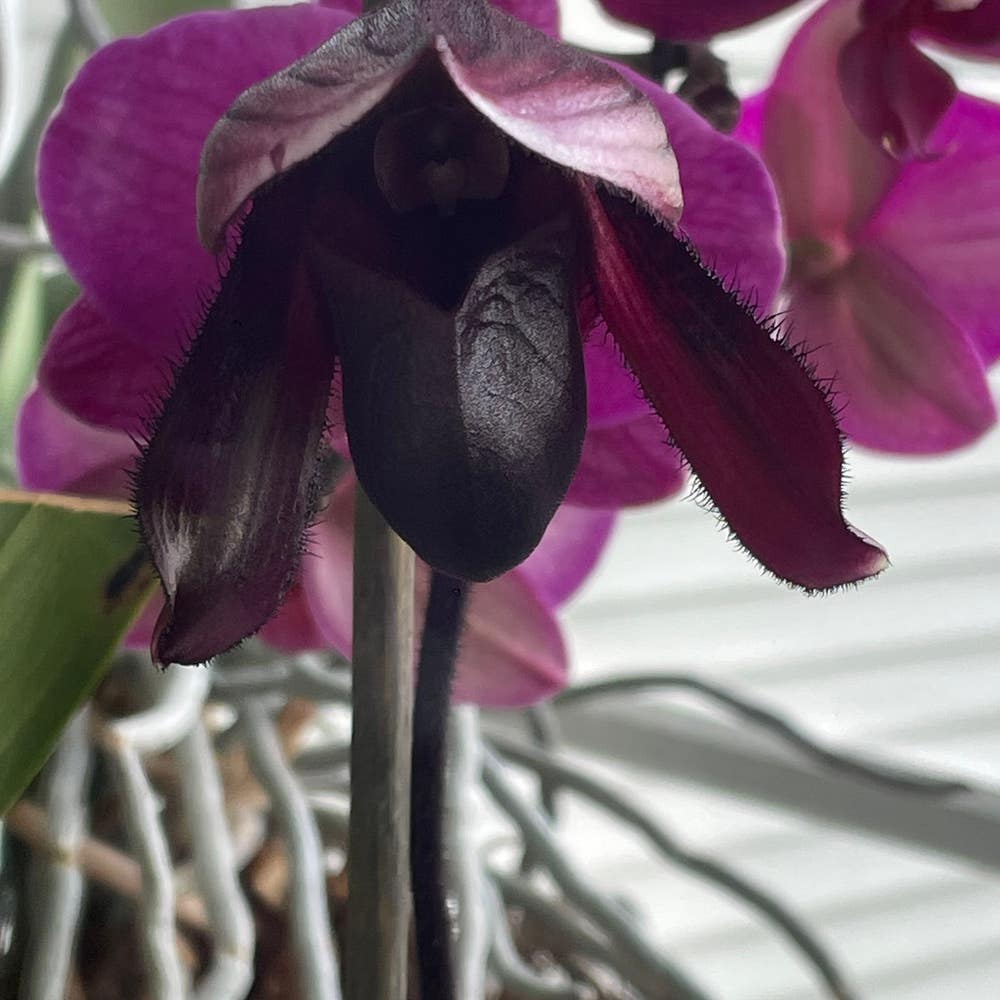
Best Spot to Plant Your Paphiopedilum 'Hawaiian Fancy' 🌺
Paphiopedilum 'Hawaiian Fancy'
By the Greg Editorial Team
Sep 29, 2024•4 min read
This article was created with the help of AI so we can cover more plants for you. May contain errors. See one? Report it here.
Master the art of growing Paphiopedilum 'Hawaiian Fancy' with perfect sunlight and shade tips! 🌱
- 🌞 Paphiopedilum 'Hawaiian Fancy' thrives in 50-70% shade for optimal growth.
- 🪴 East-facing windows provide ideal light for indoor orchids; avoid harsh afternoon sun.
- 🌿 Well-draining soil and humidity are crucial for healthy Paphiopedilum growth.
Sunlight Exposure Requirements
Ideal Sunlight Conditions 🌤️
Paphiopedilum 'Hawaiian Fancy' thrives in indirect sunlight, which is crucial for its growth and flowering. Aim for 50-70% shade, particularly during the peak sunlight hours to prevent stress on the plant.
Assessing Sunlight in Your Garden 🌅
When evaluating sunlight in your garden, consider the difference between morning and afternoon sun. Morning light is gentler and more beneficial for your orchids.
To accurately measure sunlight levels, utilize tools like a light meter or a smartphone app. These can help you determine the best spots for your Paphiopedilum, ensuring it receives the right amount of light.
Understanding these sunlight exposure requirements will set the foundation for your plant's health. Next, let’s explore its shade tolerance and preferences to further enhance its growing conditions.
Shade Tolerance and Preferences
Best Locations for Shade 🌳
Paphiopedilum 'Hawaiian Fancy' thrives in shaded or partially shaded areas. This orchid loves to bask in gentle light, making it essential to find the right spot for optimal growth.
Signs of Too Much Sun ☀️
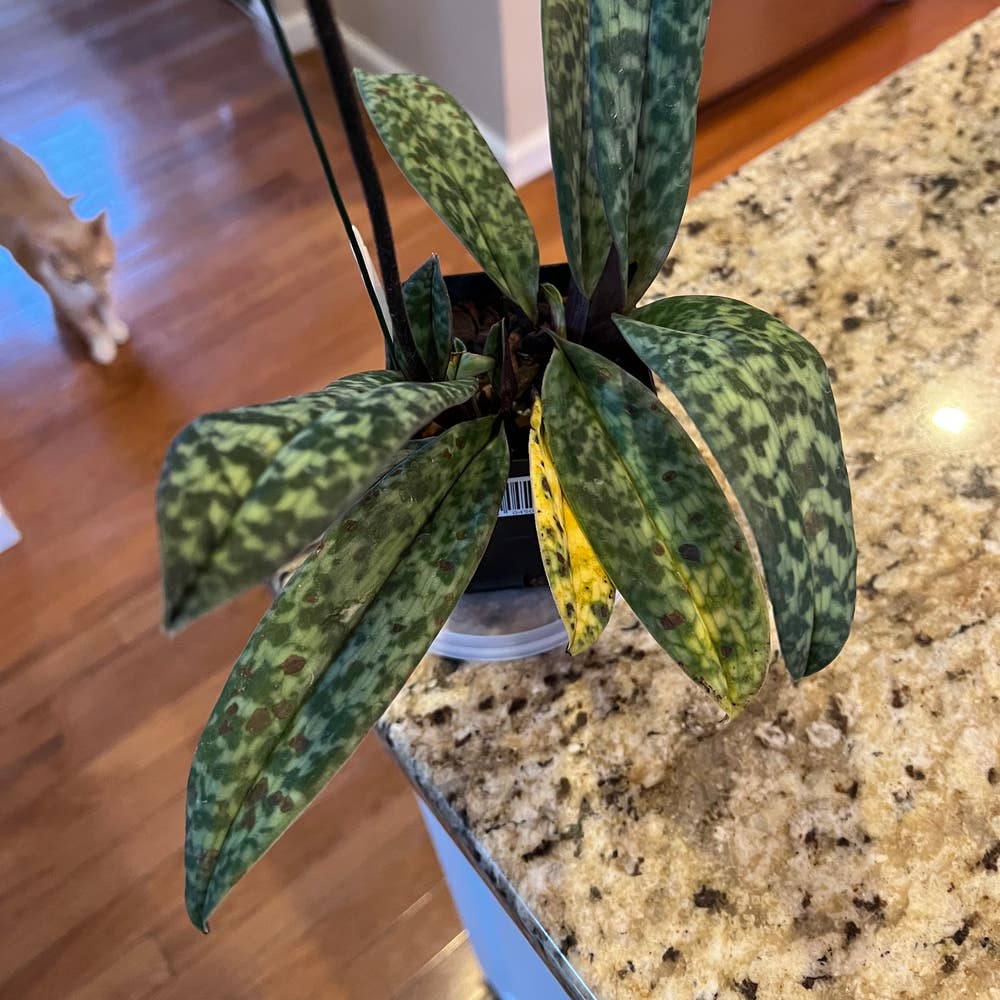
If your orchid's leaves start to burn or yellow, it’s a clear sign of excessive sunlight exposure. Keep an eye on these indicators to ensure your plant remains healthy and vibrant.
Understory Planting 🌿
Consider planting your Paphiopedilum beneath taller plants or trees. This understory planting technique provides the perfect amount of shade while allowing your orchid to flourish.
Indoor Placement 🪴
For indoor settings, position your orchid near east-facing windows. Well-lit rooms with filtered light are also excellent choices, ensuring your plant gets the gentle sunlight it craves.
By understanding these shade preferences, you can create an ideal environment for your Paphiopedilum 'Hawaiian Fancy.' Next, let’s explore the differences between indoor and outdoor planting considerations to further enhance your orchid care.
Indoor vs. Outdoor Planting Considerations
🌱 Indoor Planting for Paphiopedilum
Creating the perfect indoor environment for your Paphiopedilum 'Hawaiian Fancy' is essential for its health. Aim to maintain humidity levels between 50-70% and keep temperatures within the range of 65°F to 75°F (18°C to 24°C).
Choosing the right potting media is also crucial. A well-draining orchid mix will prevent waterlogging, which can lead to root rot.
🌞 Outdoor Planting for Orchids
When planting outdoors, select a location that provides filtered light and shields your orchid from harsh winds. This balance is vital for promoting healthy growth and vibrant blooms.
Seasonal changes can impact your plant's well-being. Keep an eye on temperature fluctuations and be ready to provide shade during extreme heat to protect your Paphiopedilum from stress.
By understanding these indoor and outdoor planting considerations, you can create an optimal environment for your orchid to thrive. Next, let’s explore the ideal soil and drainage conditions that will further support your plant's growth.
Soil and Drainage
Ideal Soil Conditions 🌱
For your Paphiopedilum 'Hawaiian Fancy', a well-draining potting media is essential. A mix of bark, perlite, and sphagnum moss works wonders, ensuring that your orchid thrives without the risk of waterlogging.
Maintaining the right soil pH is equally important. Aim for a slightly acidic to neutral range, between pH 5.5 and 7.0, to facilitate optimal nutrient uptake.
Importance of Drainage 🚰
Proper drainage is crucial for the health of your orchid. Always ensure that pots or planting areas have adequate drainage holes to prevent water accumulation.
Watch for signs of poor drainage, such as wilting or yellowing leaves. These symptoms can indicate potential root rot, which can be detrimental to your plant's health.
Understanding these soil and drainage requirements will set your Paphiopedilum up for success. Next, let’s explore how to position your orchid in relation to other plants and structures for optimal growth.
Proximity to Other Plants and Structures
🌱 Companion Planting Considerations
Choosing the right companions for your Paphiopedilum 'Hawaiian Fancy' is crucial. Look for plants that thrive in similar humidity and light conditions to create a harmonious garden environment.
Avoid overcrowding by ensuring that nearby plants do not overshadow your orchids. This prevents competition for resources, allowing your Paphiopedilum to flourish.
🏢 Impact of Nearby Structures on Light and Temperature
When planning your garden layout, consider the influence of nearby structures. Buildings can cast shade or reflect heat, significantly affecting the light availability for your orchids.
Position your Paphiopedilum away from structures that may block essential sunlight. This strategic placement helps maintain optimal growing conditions, ensuring your orchids thrive in their environment.
With the right companions and careful consideration of structures, your Paphiopedilum will be set up for success. Next, let’s explore the ideal soil and drainage conditions for these beautiful orchids.
⚠️ Safety First
This content is for general information and may contain errors, omissions, or outdated details. It is not medical, veterinary advice, or an endorsement of therapeutic claims.
Always consult a qualified healthcare professional before using any plant as food, medicine, or supplement.
Never eat any plant (or feed one to pets) without confirming its identity with at least two trusted sources.
If you suspect poisoning, call Poison Control (800) 222-1222, the Pet Poison Helpline (800) 213-6680, or your local emergency service immediately.
Spotted an error? Please report it here.
Create the ideal oasis 🌿 for your Paphiopedilum 'Hawaiian Fancy' with Greg's tailored care reminders and sunlight assessments, ensuring it thrives in the perfect light and humidity!